
David Montalba on Architecture Between Two Worlds
Swiss architect David Montalba, based in Los Angeles and Lausanne, continues to return to Zurich as he expands his architectural practice into the Swiss-German market. In this interview, he reflects on navigating two worlds and how cultural context shapes his innovative residential, hospitality, retail and commercial designs.
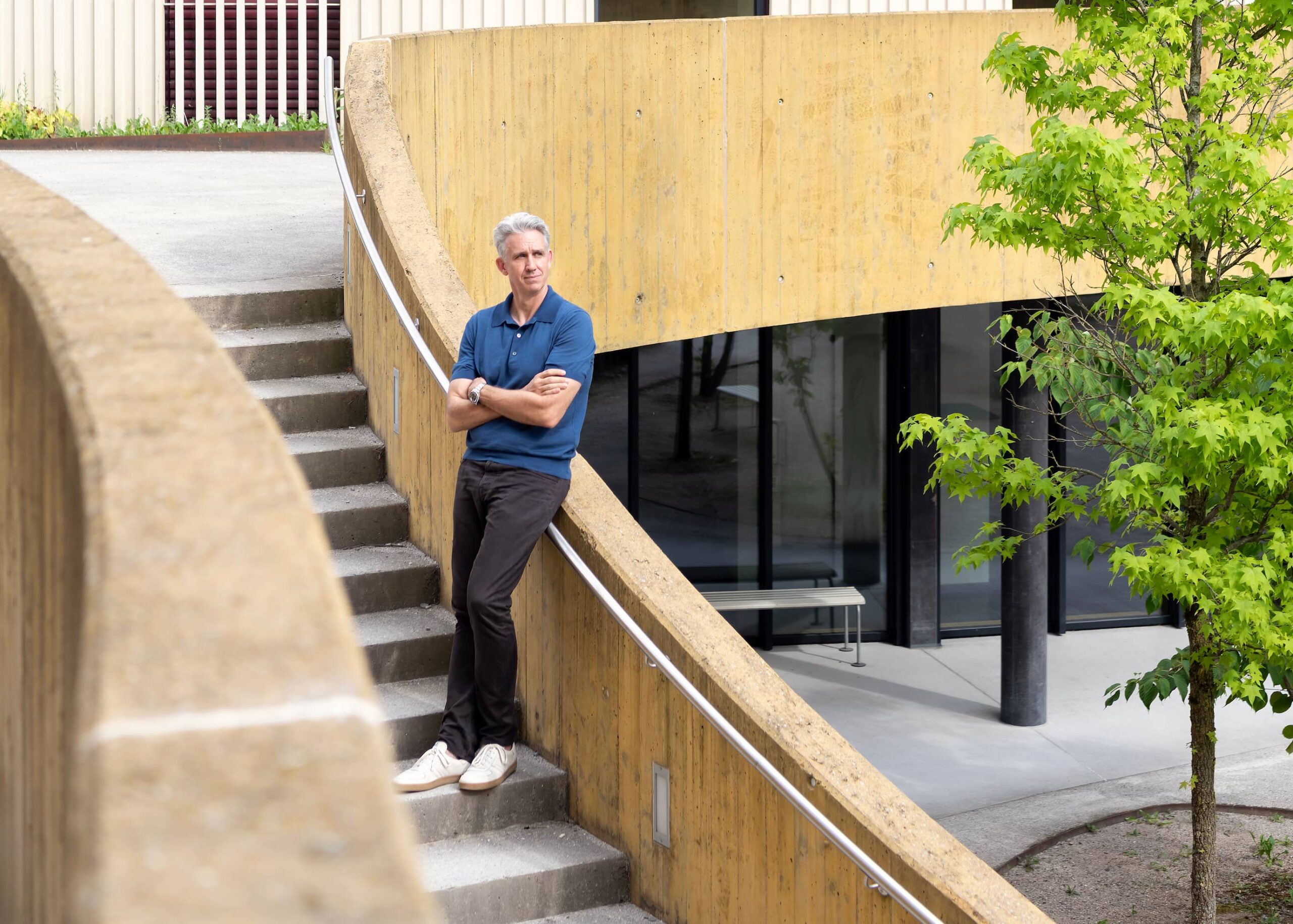
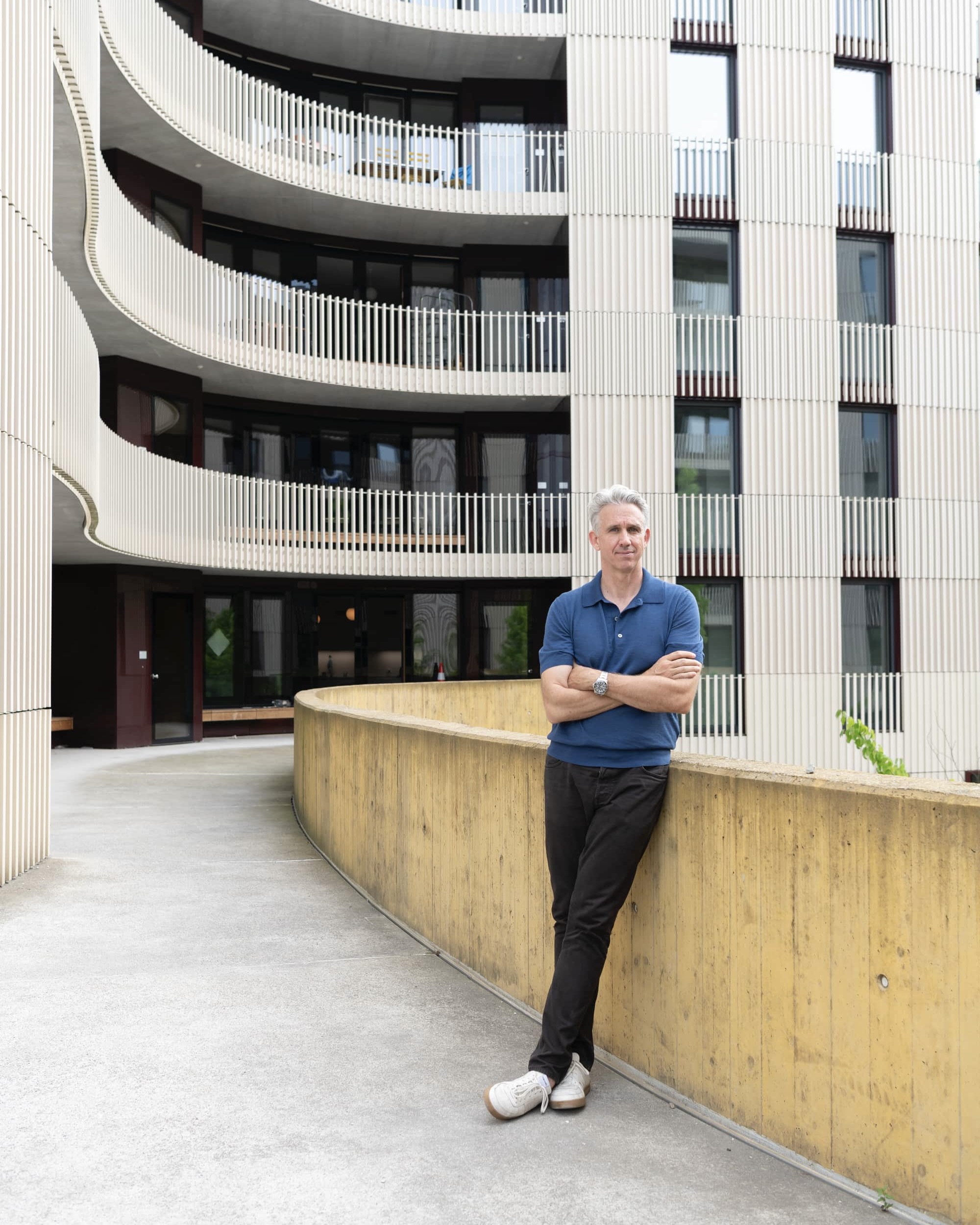
Photo Courtesy of David Montalba
Born in Florence and raised between Switzerland and California, David Montalba grew up surrounded by design but never initially saw it as his own calling – until he discovered that architecture felt like a language he already knew how to speak, which he went on to pursue in college at SCI-Arc and UCLA. In 2004, he founded Montalba Architects, which has since grown into an award-winning global practice rooted in clarity, culture and the conviction that architecture is a team sport. The firm creates transformative spaces across retail, residential, hospitality and select commercial sectors throughout Europe, North America, Central America, the Caribbean, Asia and the Middle East. Known for collaborations with international brands and high-profile clients, its portfolio includes projects such as Nobu Hotel Palo Alto, Headspace HQ, Raiffeisen, Weingut Fromm Winery and Gryon Chalet. More recently, Montalba has expanded into the Swiss-German market. His work is shaped by dualities: Swiss intentionality and Californian energy. Living and working between Santa Monica and Lausanne, he embodies a constant exchange of ideas – geographically, culturally and architecturally – between two worlds.
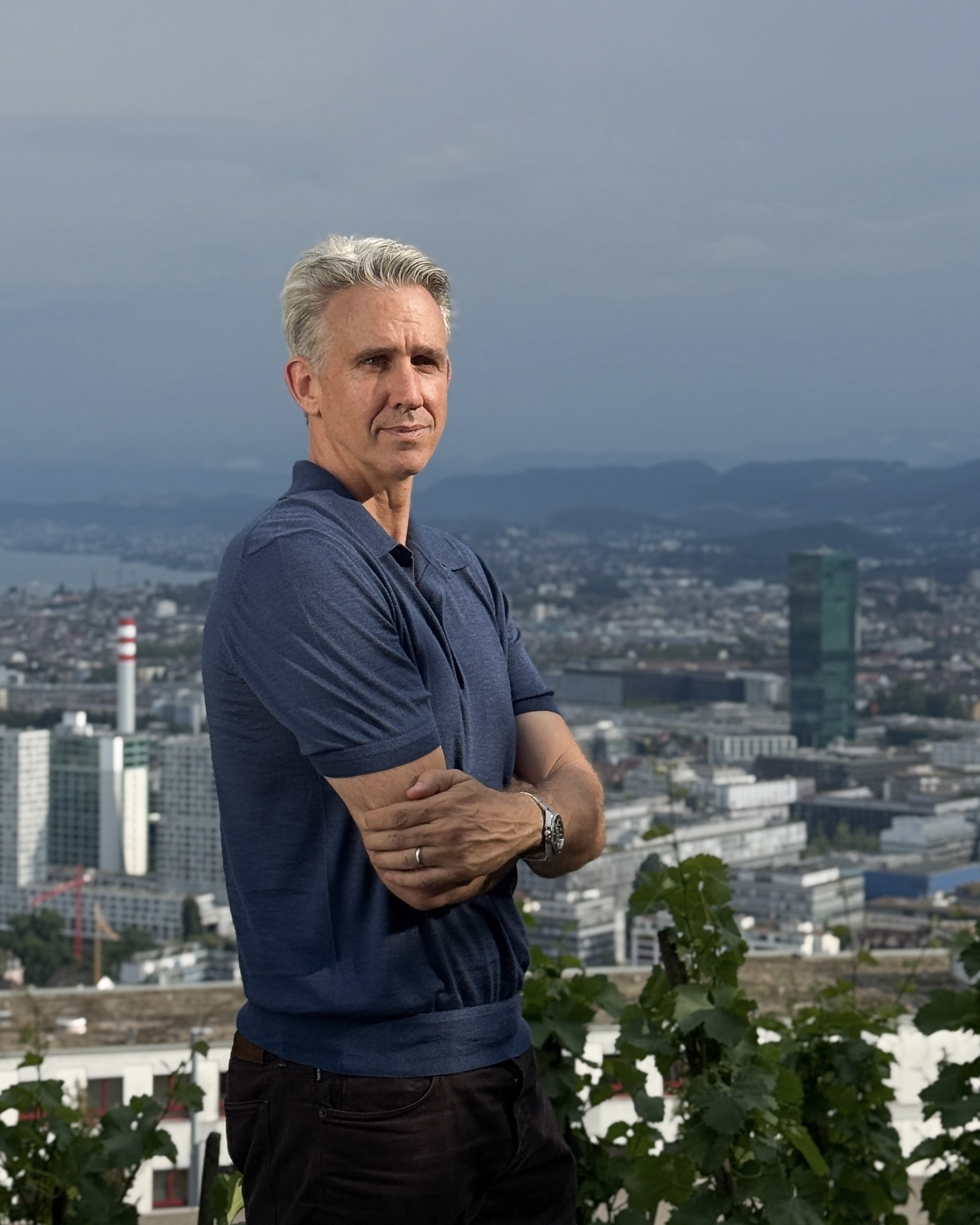
David Montalba
Founder of Montalba Architects
Safar: David Montalba, how did you first discover architecture?
David Montalba: I started studying architecture while I was on the surf team in college. Growing up, I’d been around it, but never really considered it for myself, but it felt natural – like I could speak a language I’d never formally studied. That was when I realized my potential in it.
Was there a defining moment when it clicked for you?
The more I learned, the more it made sense and it actually helped me make sense of the world. It was almost like reading forward and backward at the same time – eye-opening. Over time, I developed an appreciation for architecture at every scale: furniture, lighting, interiors, buildings, landscape. All these details shape our experience of the world, and that’s what drew me in.
You were born in Florence, raised between Switzerland and California. How have these cultural contexts shaped your philosophy?
They’ve influenced me a lot. My uncle, who had an architecture firm in Switzerland, practiced within a 20-kilometer radius his whole career. In contrast, I’ve lived and worked across continents. That taught me that, despite cultural differences, there’s really one universal language: how the human body perceives space – distance, temperature, natural light, movement. We try to carry that thread through all our work, wherever it is.
How do expectations differ between Switzerland and California?
In Switzerland, intentionality is expected – everything is carefully considered. In California, there’s immediacy – a client may want to see the vision upfront and worry about details later. In Zurich, the design process can stretch over weeks of reflection. In California, decisions can happen much quicker. It all starts with the fact that there’s a lot more history in Switzerland, whereas the United States is rooted in capitalism, not history. Switzerland has depth and history, while California has lightness and speed.
What draws you back to Zurich in particular?
The intentionality. Things are done for a reason. The contrast of the city, the lake and the culture gives me energy. I’m proud of being Swiss, and Zurich inspires me with its beauty.
Before starting your practice, you worked for firms like Frank Gehry’s. What lessons stayed with you?
Every office was different. At Gehry’s, I worked on big projects like Disney Concert Hall and Samsung’s headquarters. At other offices, I focused on smaller projects. I learned there’s no single “right way” — each project demands its own approach. Two things guide me: first, listen to the project. Every project has its own energy – a mix of the client’s needs, the site, the context. Second, think like a Sharpie. Be poignant and clear. Architecture gets cluttered if you lose focus. Communication and clarity are everything. So much of what we do is about culture. A lot of my work is about understanding culture and communication.
What pushed you to take the leap to start your own company?
I was 29 years old – too young. It wasn’t a conscious decision. It felt natural – the next step. At that age, you don’t overthink. If I had waited, I might not have done it. Building a strong team and culture has been the most important part. Architecture is a team sport. Trust, belief and reliance are a big part of doing great work.
Your portfolio ranges from Nobu Hotel Palo Alto to the the Whitepod Eco-Chalets in Switzerland, even part of LAX. What ties such different projects together?
Two things: A Swiss approach to craft and intentionality and an energy that’s uniquely Californian. We also think deeply about natural light, flow and movement through space. Whether it’s an airport or a home, we design for how people move through space – where you pause, where you move.
How was working at the scale of an airport, like LAX’s Tom Bradley International Terminal?
It was cool. We entered the competition without expecting to win, but it led to a substantial project. It had a huge impact on a lot of people. But at that scale, the craft is limited compared to smaller projects, which I prefer. Airports are about flow and efficiency, while homes or hotels allow for more intimacy and detail.
You even designed your own home. How was it being both architect and client?
It was great. I’d wake up at 3 a.m. with ideas – I learned a lot. When you’ve lived through the process yourself, you can advise clients with much more certainty. Our home is very much about flow, transparency and natural light. It’s a three-story home in a smaller neighborhood near the city. It has a subterrané basement with a lot of natural light. You come through a courtyard to the front door. You can’t tell much of the home from the outside, but inside you discover depth – including a three-story vertical courtyard that lets light cascade down into the home.
Your home also features a lot of USM furniture. What draws you to Swiss furniture?
USM is timeless. Its intentionality is very Swiss. The system is modular, like Legos, which makes it limitless. I also appreciate how they collaborate with artists. And it holds its value, which says a lot.
Do you recall a moment where you saw your design improve people’s lives?
I love it. I’ve firsthand heard the appreciation of someone going somewhere and enjoying their time there. Having a positive impact on people is rewarding. The Graoni House, a home we did in Malibu, has been published a lot lately. I’ve had clients come to visit the homeowners just to tell me how much they enjoy spending time there. That means a lot. Residential work is for a limited audience, so its impact needs to be strong. On the other hand, with retail projects like the Row in LA we’ve been able to have a bigger impact.
After so many diverse projects, do you have a favorite?
Our practices has been built on an appetite for education and doing new things, which is motivating and inspiring. We’ve worked on the interiors of planes, airports, houses, retail stores, hotels, headquarters of companies, restaurants, sports facilities, museums and more. Now, it’s less about a doing new types of work and more about opportunities where we can curate the entire environment – architecture, interiors and landscape. That’s hard, because it requires great trust from a client. Finding these people is a really important part of what we do.
Looking ahead, where do you see Montalba Architects in 20 years?
I hope we’ll be curating global projects – not just a piece, but the full vision. Being more of a connector, bringing together the right clients and brands within one service universe. Early in my career, I tried to stay neutral, but with experience I’ve realized clients want us to guide them. Also being more vocal in our leadership across the industry and the globe – this comes with experience and confidence. Ultimately, it’s about creating global experiences – not just buildings, but how they look, feel and communicate.
What advice would you give young architects or entrepreneurs starting out?
Push yourself. The best things in my life came after years of hard work, not instantly. You have to prove how badly you want something because striving for greatness takes a lot of work. I still push myself. Some of our best projects started small – like an office for a client who needed space that wasn’t at home. We transformed it into something amazing because of conviction. You create your own reality. Don’t just respond to what you’re given – find the beauty and create it.