
One Year of Living in St Andrews, Scotland: A PhD Journey
What is it really like to live in St Andrews, Scotland, while pursuing a PhD? A little over a year after moving from Zurich to this historic Scottish coastal town, Editor-in-Chief Marina S. Haq reflects on discovering university life, coastal living, traditions, friendships and the unique rhythm of life in the Home of Golf.
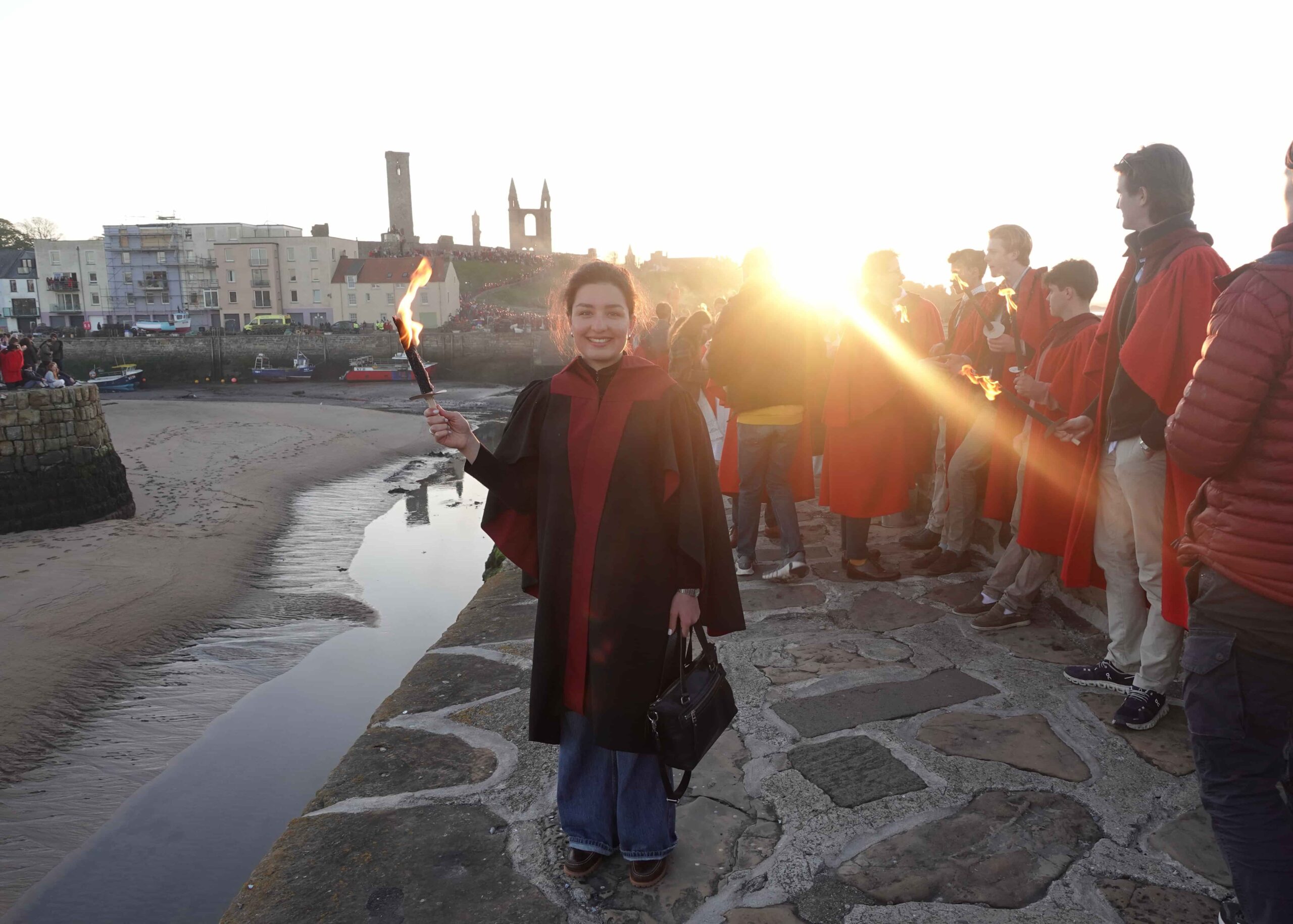
Photo Courtesy of SAFAR
They say that time flies, but you don’t truly realize it until a year has passed and you find yourself wondering how the days could have moved so slowly while the year went by so quickly. It has now been a little over a year since I moved to the charming Scottish coastal town of St Andrews to begin my PhD. When I first arrived, I had no idea how much the place would come to mean to me – or how many memorable people and experiences I would encounter along the way.
Editor-in-Chief Marina S. Haq participating in the first pier walk of the academic year
Arriving in the Bubble
In early September 2025, I arrived in St Andrews, affectionately known as “the bubble”, with my parents and a couple of suitcases. It was the first time I had ever moved abroad, leaving my hometown of Zürich in Switzerland. Was I excited? Absolutely. Was I anxious? Also, yes. There is something both exhilarating and unsettling about arriving somewhere completely new: discovering unfamiliar streets, meeting new people and adjusting to all the little changes that come with moving your life elsewhere. Fortunately, St Andrews quickly began to feel familiar. I had the pleasure of making wonderful friends and, with them, memories that I know will stay with me for a lifetime. I came for the PhD, but this first year has taught me far more than what can be found in a degree. There is a particular kind of knowledge that comes only from leaving your comfort zone – from placing yourself somewhere unfamiliar and allowing yourself the possibility of discovering not only a new place, but also new parts of yourself and your own limits. Perhaps that is why St Andrews became so much more than simply the place where I happened to be studying.
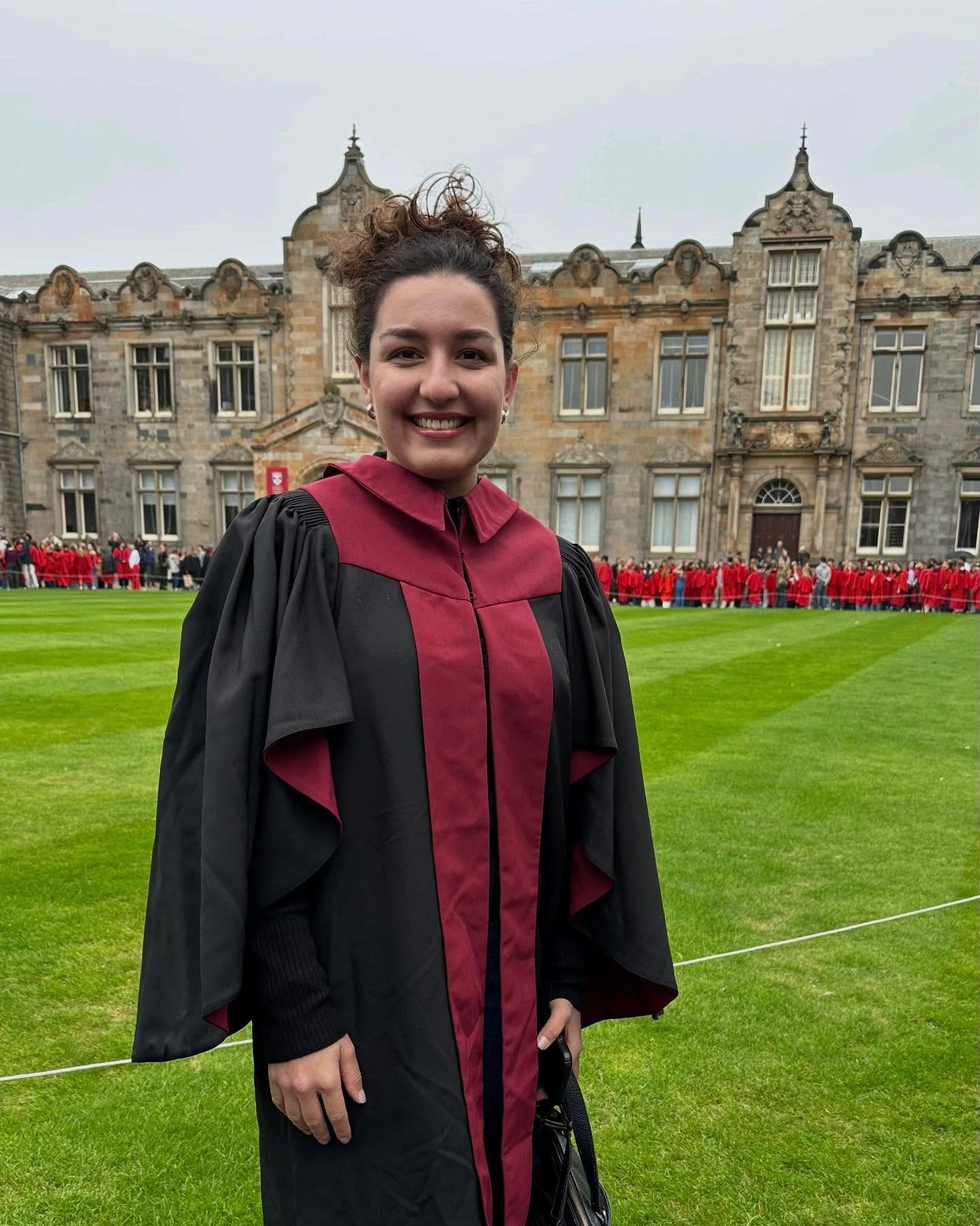
Marina on the first day of her PhD studies
Finding a Rhythm
One of the pleasures of a research degree is the flexibility it offers. My days are not structured in quite the same way as those of an undergraduate student, which has allowed me to experience St Andrews beyond the library and university buildings. There has been golf, coastal rowing, dinners, celebrations and the many traditions that make student life here so distinctive.
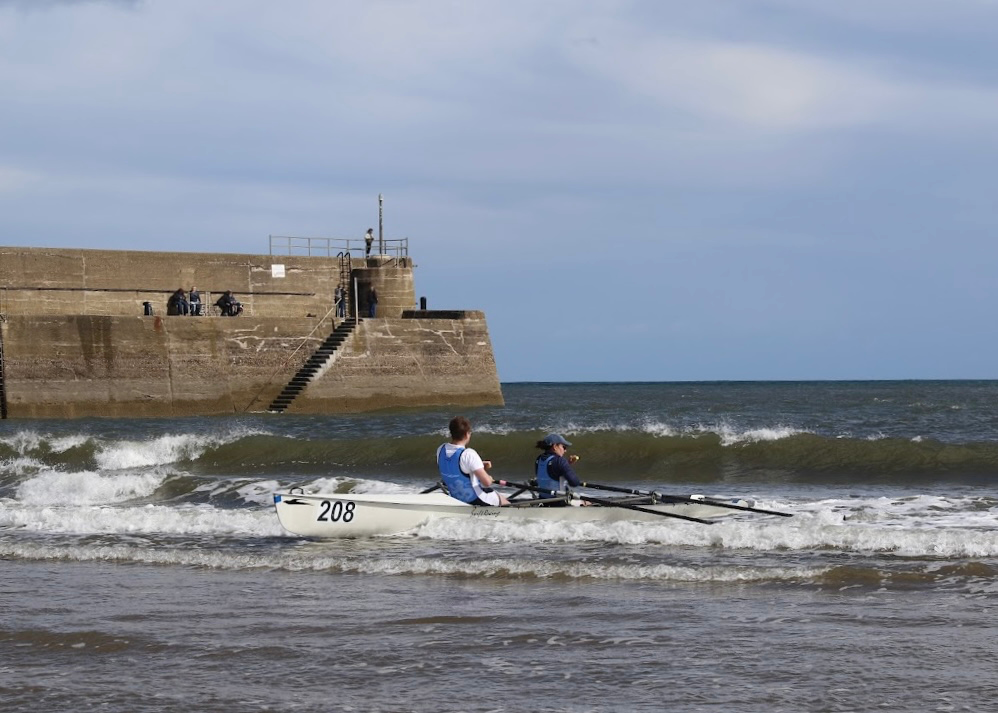
Saints Coastal Regatta 2026
Photo Courtesy of Bronwen Roosa
Among the highlights were the Desi Ball, the Christmas Ball and the MENA (Middle East and North Africa) Ball. In March, I also had the opportunity to host Afghan New Year, Nowruz, and Eid celebrations. These occasions became some of the moments when the international character of St Andrews was most apparent. People from different backgrounds, languages and cultures come together in a town that is otherwise small enough to walk across in minutes. That sense of community also gave me the opportunity to expand SAFAR in St Andrews. I hosted SAFAR Society gatherings for invited guests from the University of St Andrews, bringing students together for evenings of conversation at Space Café in the heart of town. There were also the unexpected moments. On a cold winter morning at St Salvator’s Quad, we met TikTok creator Max Klymenko, who proceeded to guess my profession before asking about student life in St Andrews. It was an interesting encounter and, in many ways, perfectly characteristic of the place. Because St Andrews is small, moments like these feel closer somehow. You walk everywhere, see familiar faces and gradually begin to recognize the rhythm of the town. And then there is the sea.

Desi Ball

Eid & Nowroz
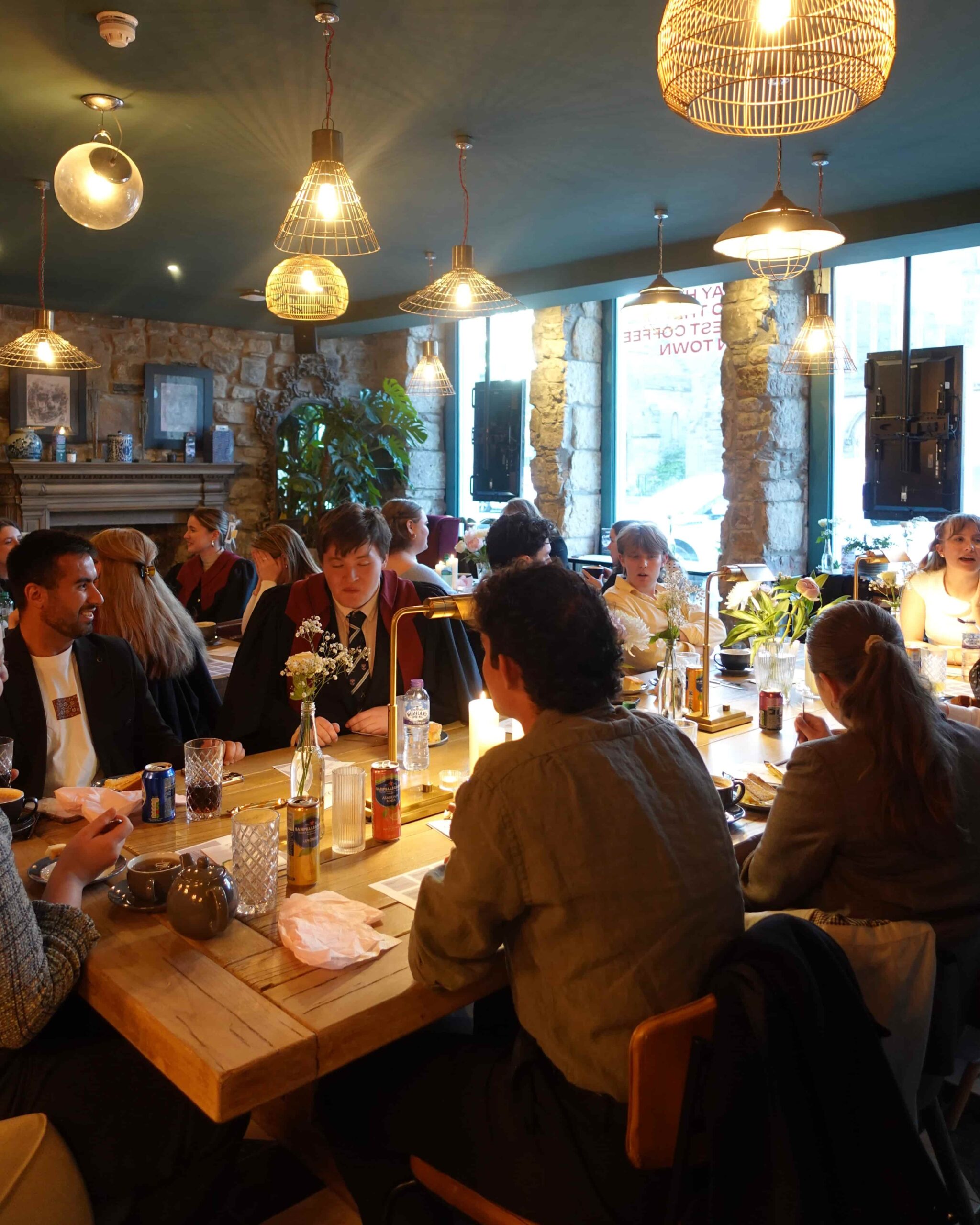
The SAFAR Society
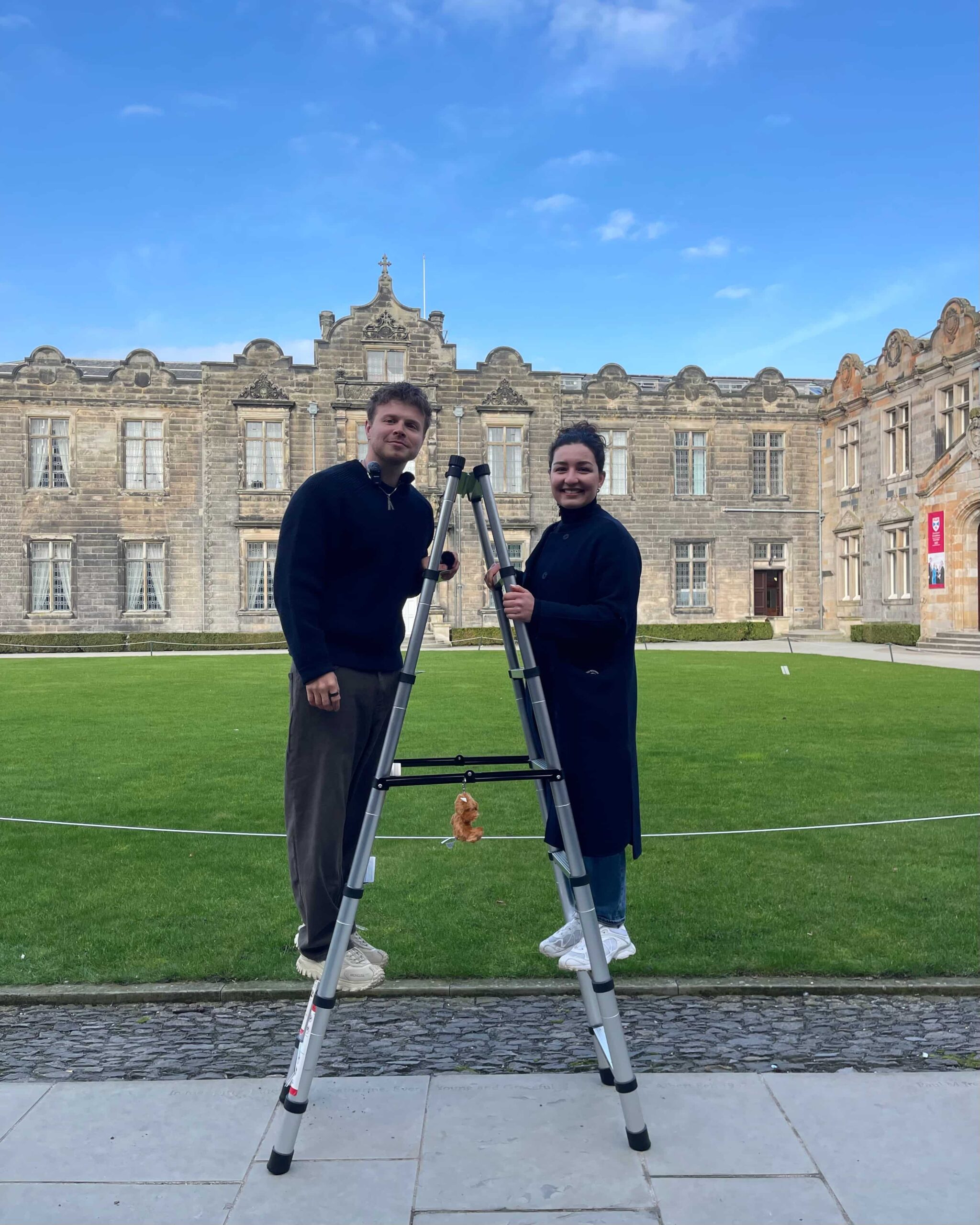
Marina on the Career Ladder
The Sea, the Golf and the Town
Some of my favorite memories from this first year have come from simply exploring St Andrews and its surroundings. There is East Sands, where I go coastal rowing, and the famous pier, where some of the town’s best-known student traditions take place. There is Castle Sands, tucked beneath the ruins of St Andrews Castle, where bonfires and gatherings take place. And then there is West Sands. The vast beach, famously featured in the opening scenes of Chariots of Fire, has become one of my favorite places in St Andrews. During the Scottish summer, when sunrise comes remarkably early, I have watched the sun rise there at around 4 a.m. There is something surreal about standing on an almost empty beach at that hour, watching the sky change while the rest of the town is still asleep.
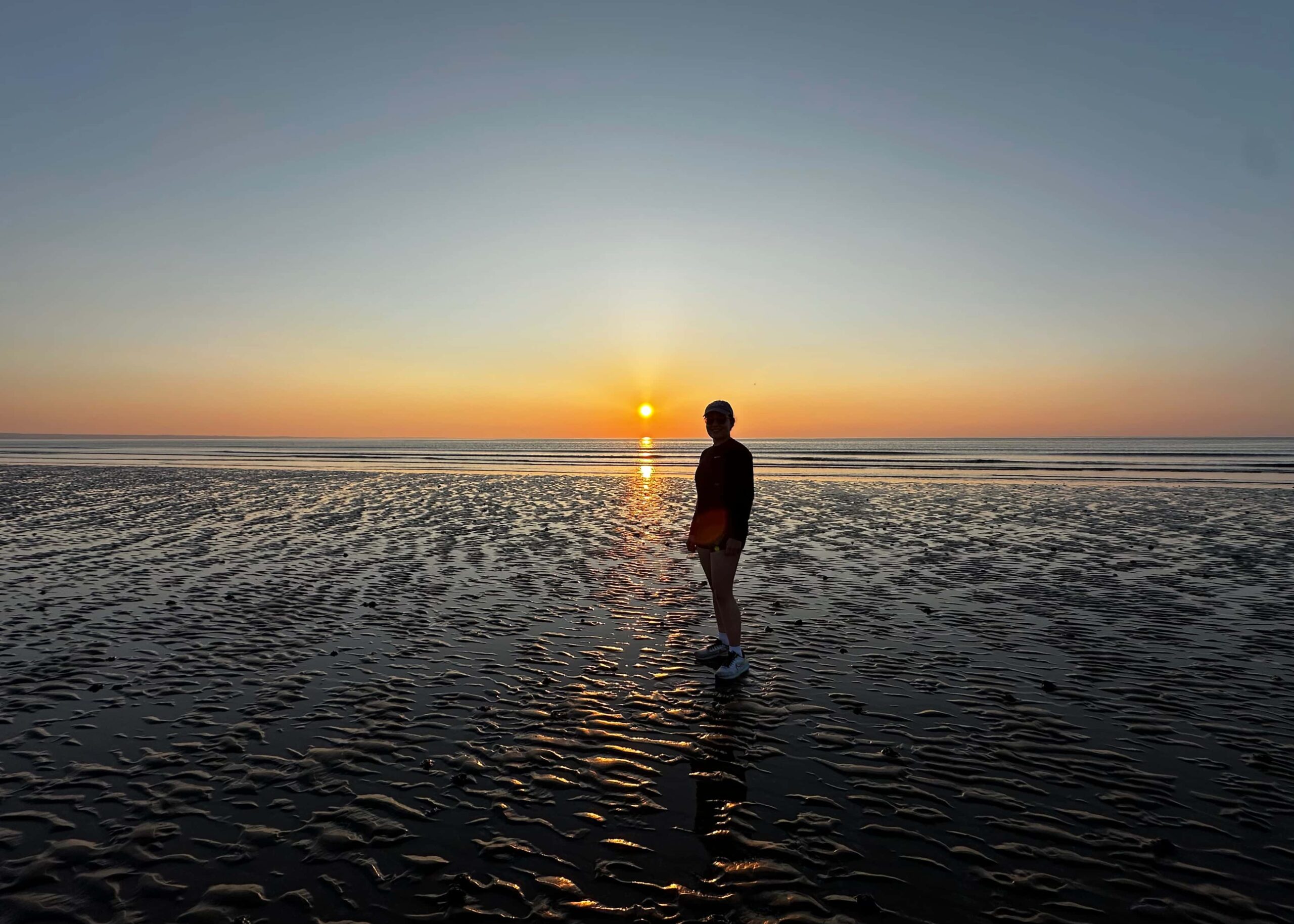
A sunrise run to West Sands Beach
Golf is, of course, another defining part of life here. St Andrews is known around the world as the Home of Golf, and living here means regularly passing the Old Course. Even after a year, there is something extraordinary about having one of the world’s most famous golf courses woven into your everyday surroundings. Then there are the smaller rituals: stopping at Northpoint, one of my favorite cafés, and wandering through the town’s independent shops and bookshops, such as Topping & Company Booksellers. These places slowly become part of your routine without you noticing. A favorite café. A particular beach. A walk along the pier. The sea on the way home. Perhaps that is how a place begins to feel like home.

At the St Andrews Links Driving Range
Zurich to St Andrews
And yet, for all the beauty I have found here, St Andrews could hardly be more different from Zurich. Zurich can sometimes feel like the New York of Switzerland: fast-paced, efficient and constantly moving, with trams crossing the city and public transport running with characteristic Swiss precision. St Andrews feels almost like another world. If Zurich is movement, St Andrews is pause. The comparison that often comes to mind is Gilmore Girls: the intimate scale of the town, independent cafés, familiar faces and the feeling that everyone somehow knows everyone else.
The slower pace can perhaps feel frustrating at times. There are buses and taxis, but nothing quite compares with the reliability and frequency of public transport in Switzerland. Yet coming from the bustle of Zürich, I found the change refreshing. Everything in St Andrews is close enough to walk. The center of town is formed around three main streets – North Street, Market Street and South Street. Market Street sometimes reminds me of Zürich’s Bahnhofstrasse, although the two could hardly be more different. Instead of the grand scale and international luxury of Bahnhofstrasse, Market Street is intimate and distinctly local, lined with boutiques, bookshops, cafés, restaurants and pubs. St Andrews does not have the scale of Edinburgh or Zurich, and that is precisely part of its charm. There are only a handful of grocery stores, the beaches are within walking distance and almost everything you need is concentrated within a small area.
Returning to Zurich for the first time after moving to St Andrews was, unexpectedly, a small culture shock. I had not realized how much I had grown accustomed to a different kind of bubble – one where everything is clean, efficient, punctual and meticulously organized. Coming back made me appreciate things I had previously taken for granted. But it also made me appreciate what St Andrews had taught me: the beauty of being relaxed, allowing things to move at a different pace and embracing a little imperfection.
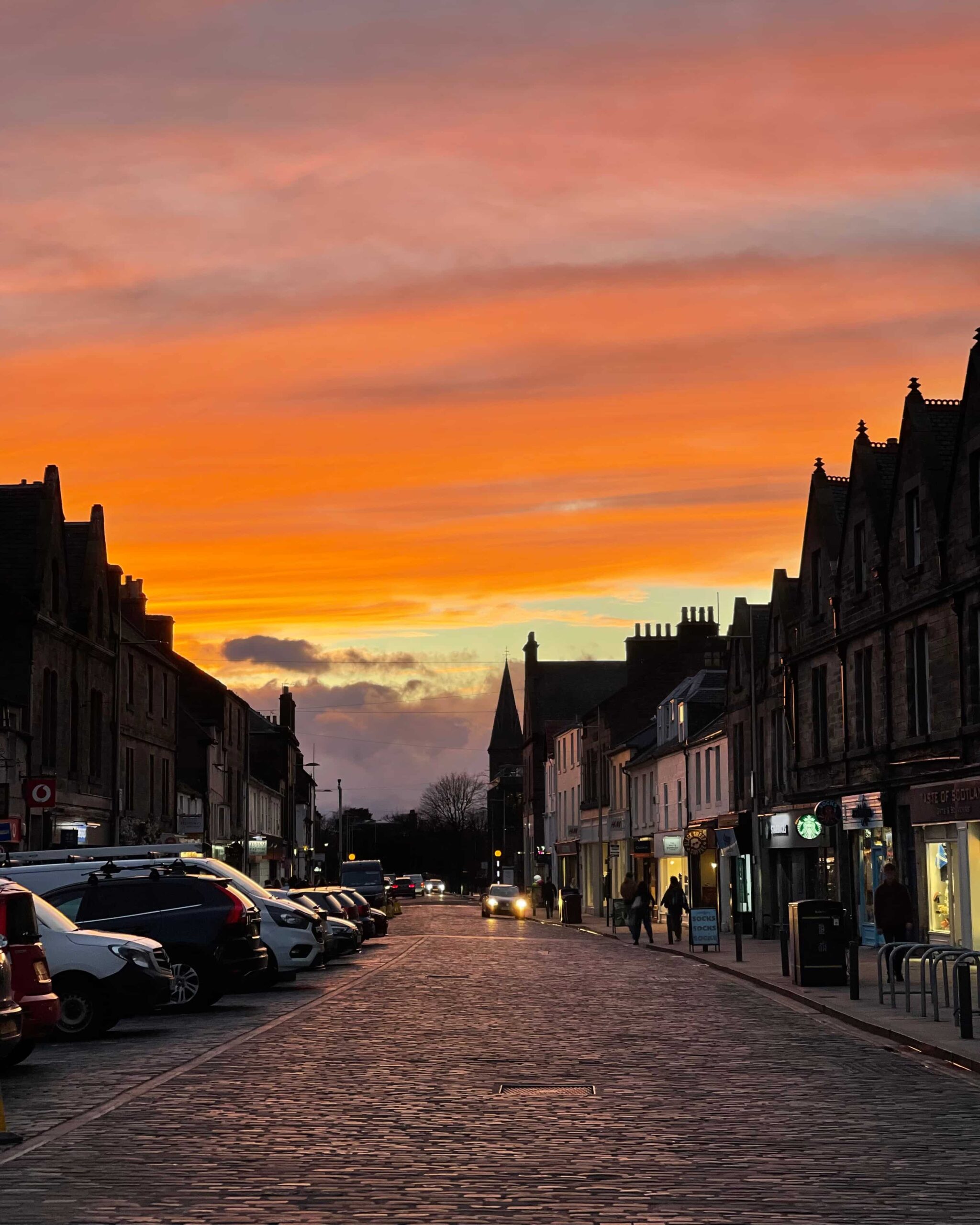
Market Street at sunset
A Small Town, a Global Outlook
Perhaps the greatest contradiction of St Andrews is that it feels both incredibly small and remarkably international. It really is a bubble – an ecosystem unto itself, distinct from anywhere else I have experienced in Scotland. Yet within that bubble are people from all over the world. There is a particularly strong presence of students from the United States and Germany, alongside communities from across the globe. For someone who is multilingual and accustomed to moving between different languages and cultures, this has been one of the most fascinating aspects of living here. You can walk into a café, university building or student gathering and hear several languages being spoken around you. It is a tiny place with a surprisingly global outlook. Perhaps that is one of the reasons I have felt so comfortable here.
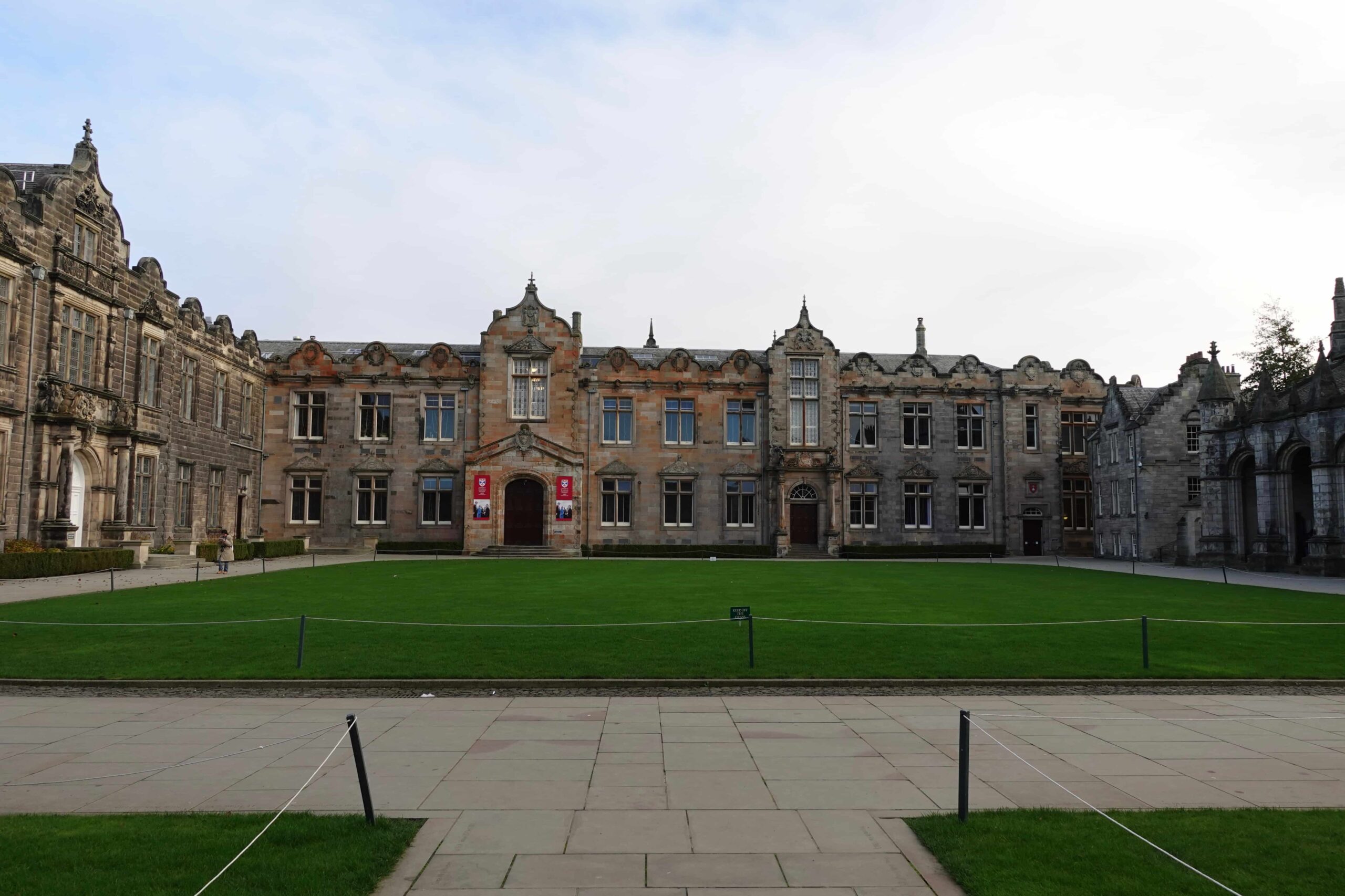
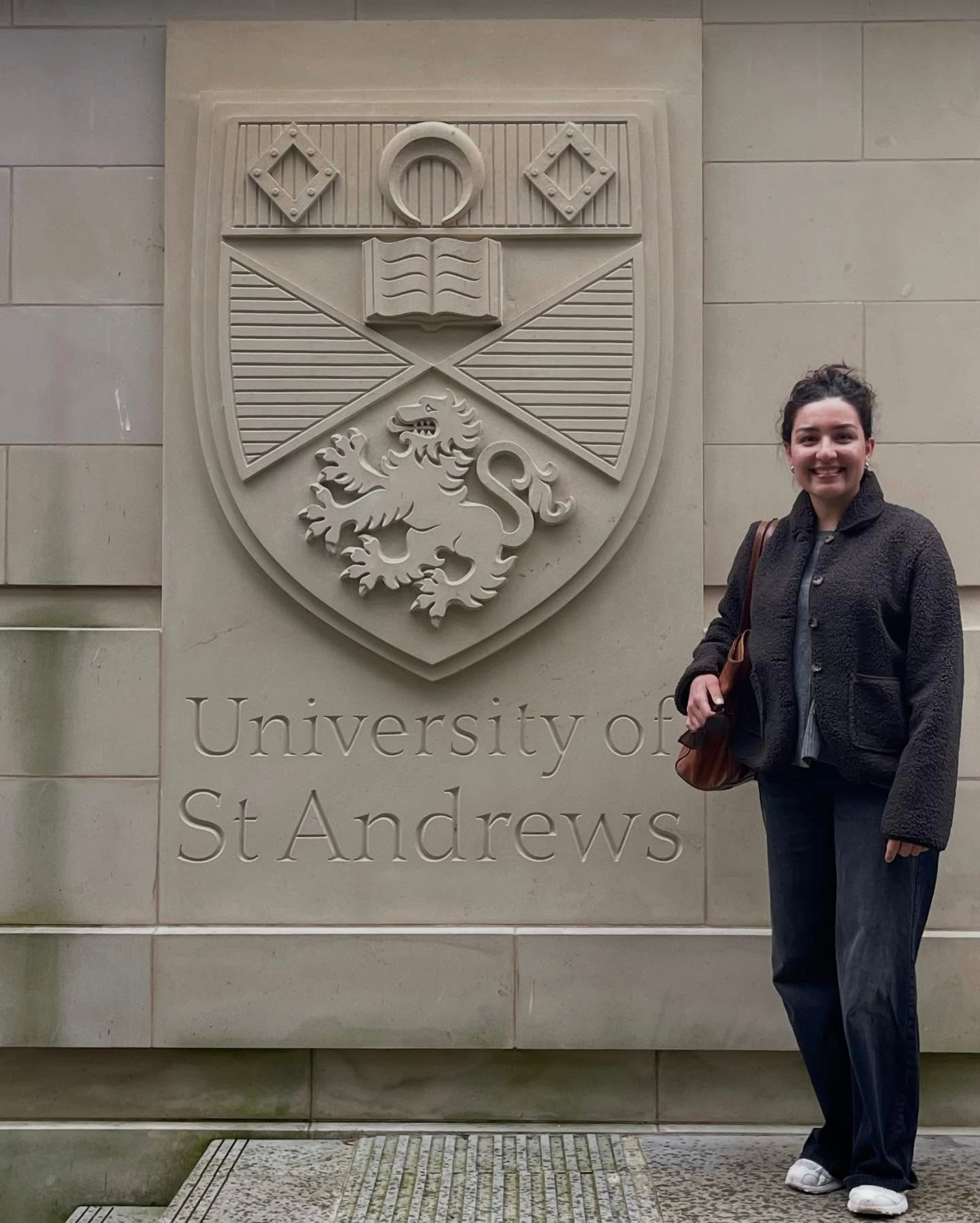
University of St Andrews
Becoming Part of the Tradition
You cannot spend a year in St Andrews without becoming part of its traditions. I experienced some of the most famous student rituals, including the first Pier Walk of the academic year, Raisin Monday and its legendary foam fight, the Gaudie and, of course, the May Dip. Some traditions are centuries old; others are wonderfully eccentric. Together, they create a sense of continuity that is difficult to understand until you experience it yourself. They are reminders that university life is not only about research, reading and writing. It is also about belonging – to a community, to a place and, however briefly, to traditions that generations of students have experienced before you. That sense of continuity is perhaps one of the things that makes St Andrews feel different from anywhere else.

The first pier walk of the academic year
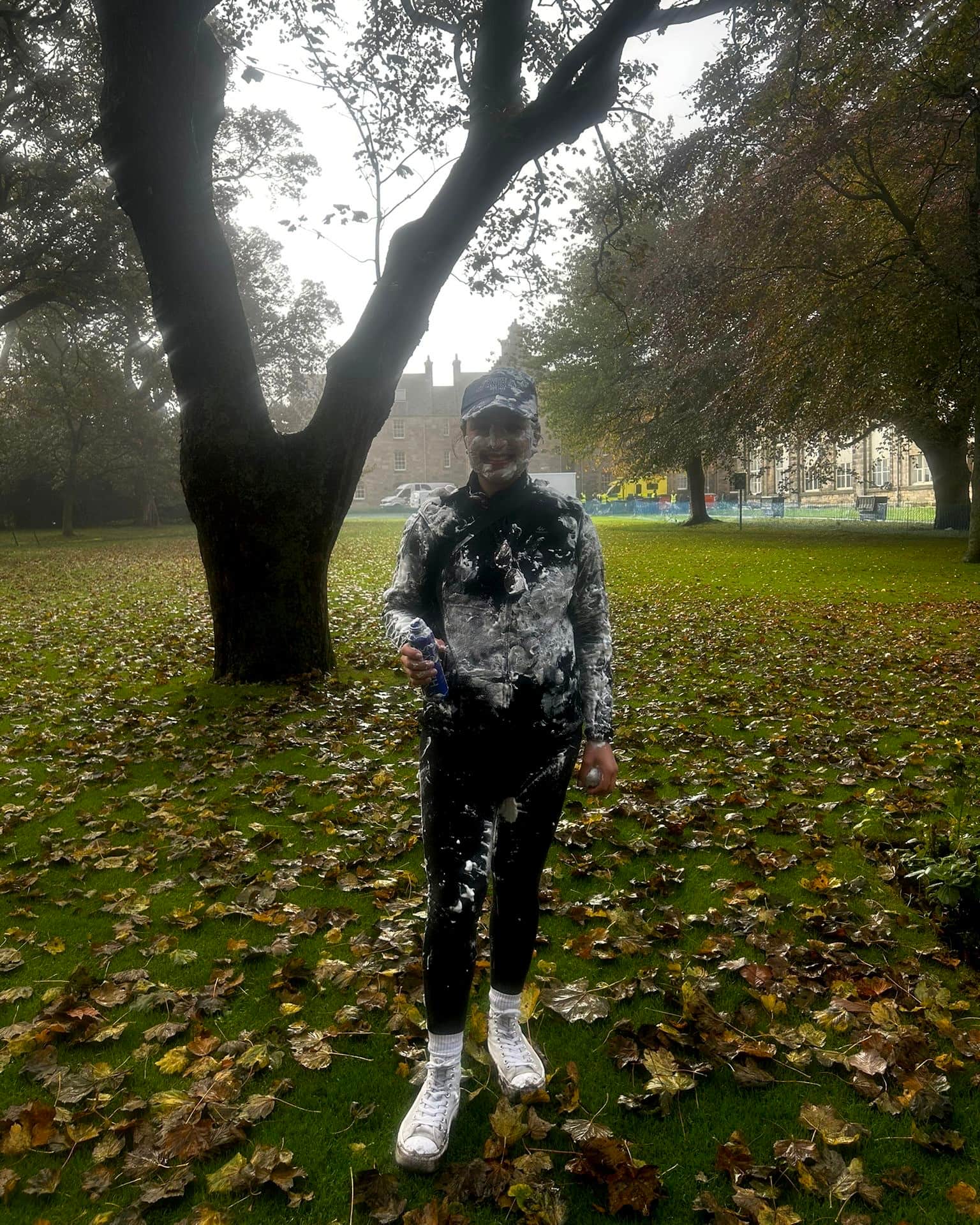
Raisin Monday Foam Fight
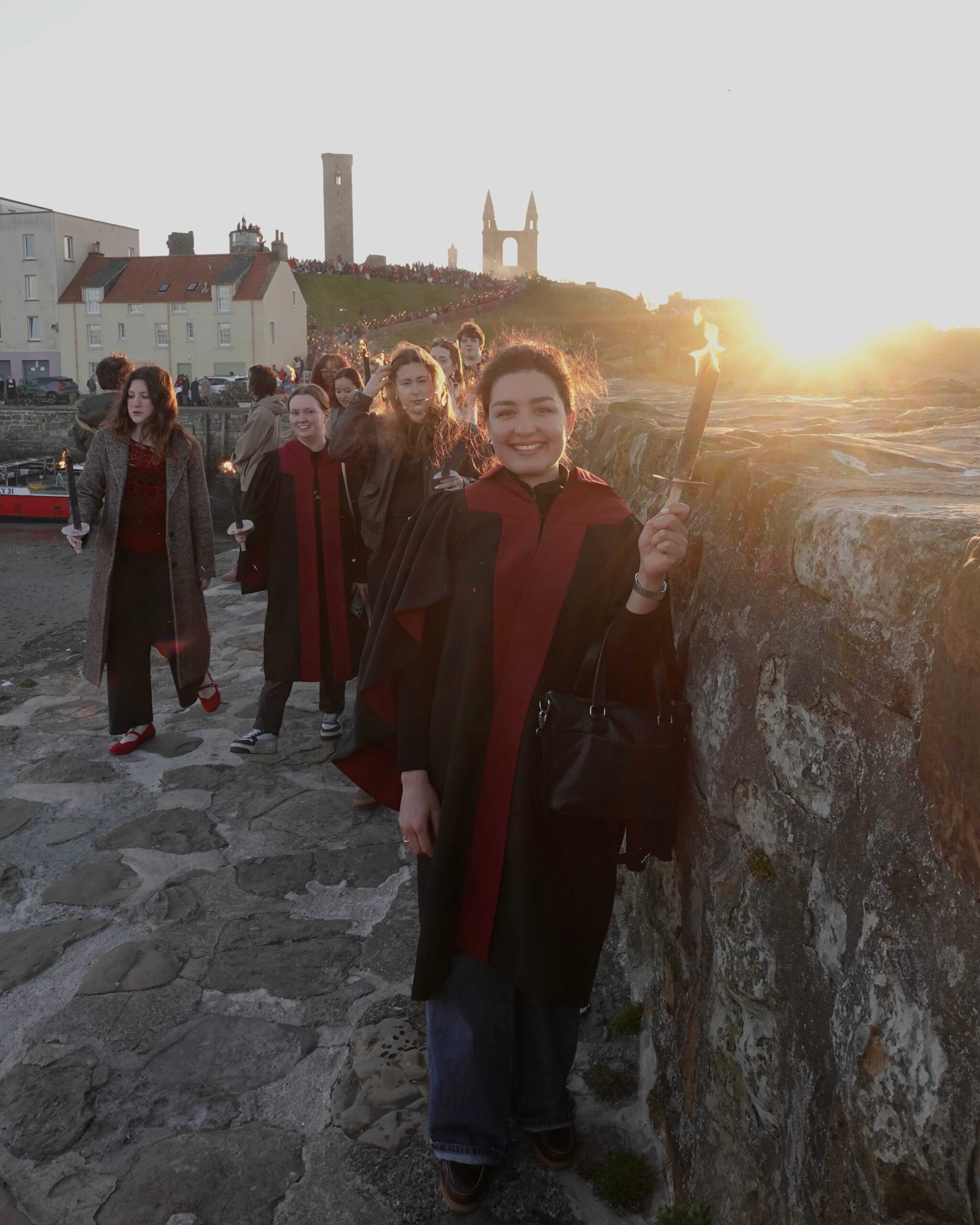
The Gaudi torch procession
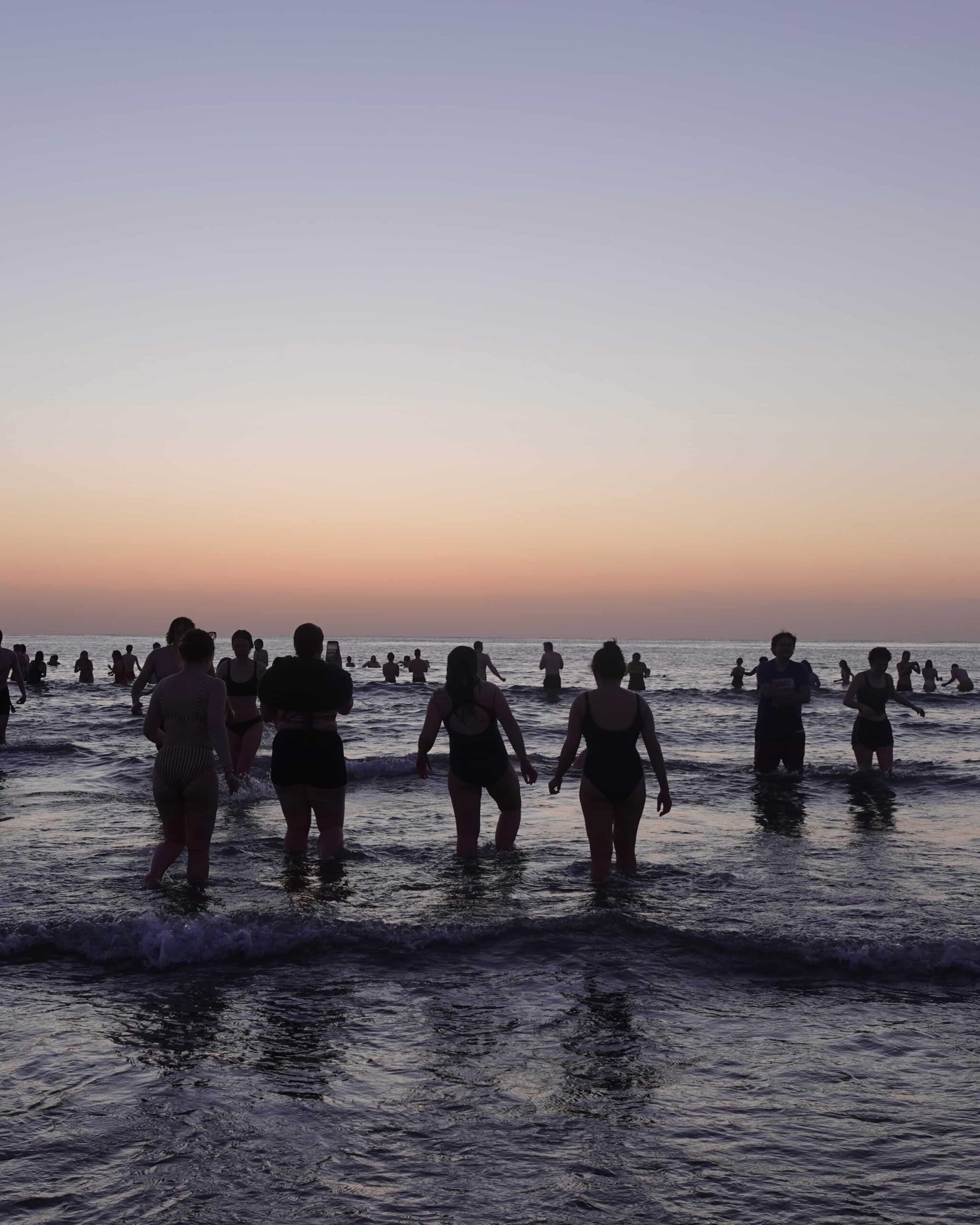
May Dip
The PhD
Amid all of this, there is, of course, the reason I came here in the first place: the PhD. One of the biggest changes this year has been returning to academic writing. Before beginning my PhD, I had spent the previous few years writing for different news outlets, so returning to academic writing felt like stepping into a different kind of storytelling. Fortunately, it came back more easily than I expected – like riding a bicycle. My supervisor often reminds me that writing a thesis is not a sprint but a marathon. It is perhaps one of the most useful pieces of advice I have received this year. Most days, I get to read books, write my research and develop ideas that genuinely interest me. There is something rather beautiful about being able to spend so much of your time thinking. And, naturally, discovering new cafés along the way. Perhaps that is another thing St Andrews has taught me: that a life devoted to research does not have to be separate from a life filled with experiences. The two can inform one another.
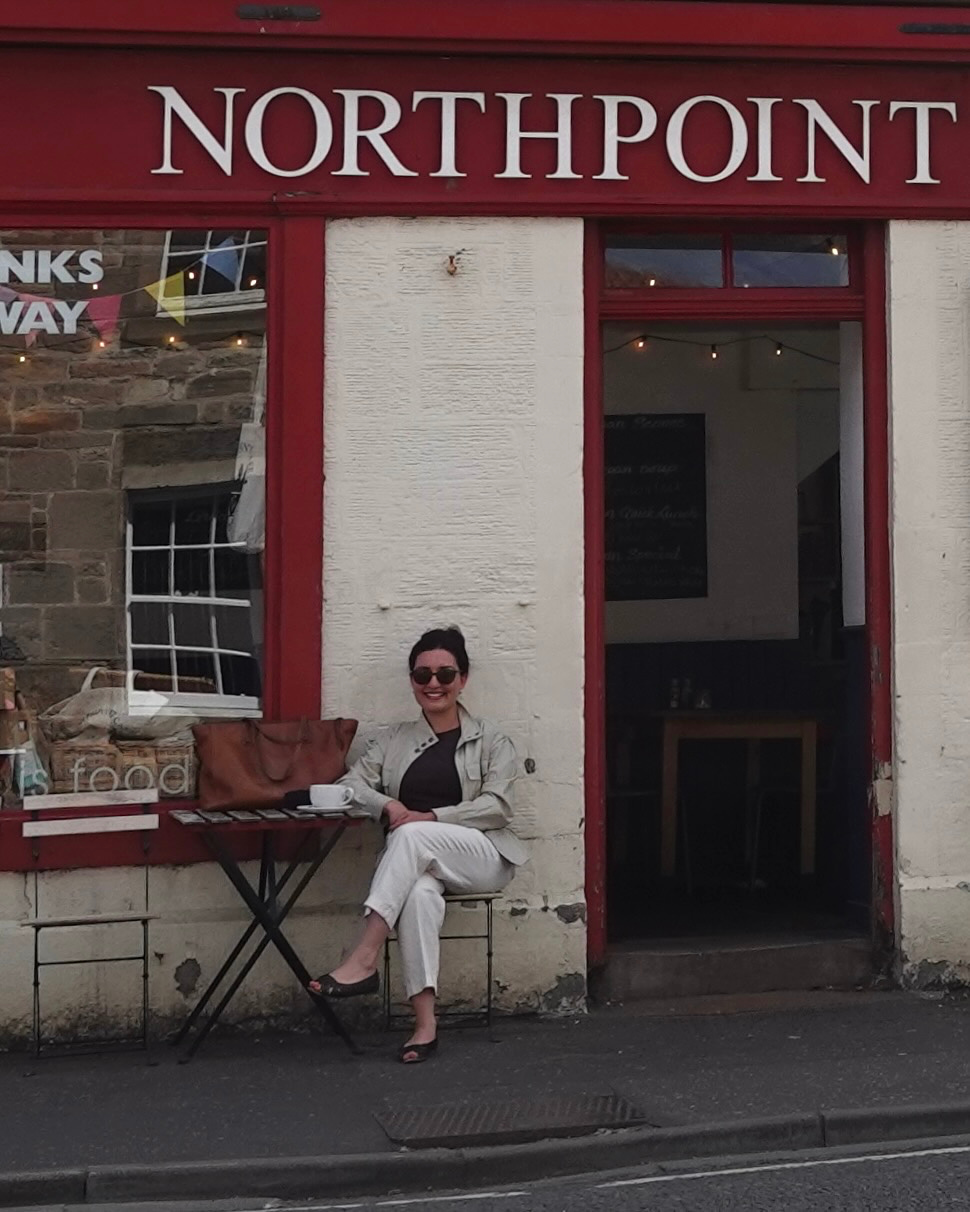
Marina at one of her favorite cafés in St Andrews, Northpoint Café
One Year Later
St Andrews has long held a distinctive position among British universities, and this September, that standing was reaffirmed when the University of St Andrews was named the UK’s best university in The Sunday Times Good University Guide 2027. My own subject, English, was also ranked first in the UK in the subject rankings. But rankings are only one way of describing a university. For me, the real measure of this year is everything that cannot be captured in a league table: the friendships, the conversations, the early mornings, the sea air, the dinners, the traditions, the unexpected encounters and the feeling of slowly becoming part of a place that was once entirely unfamiliar.
One year later, some things have changed. Friends have moved away. New people have arrived. Familiar routines have evolved. But my choice to come here remains one I am grateful for. I arrived in St Andrews to pursue a PhD. Somewhere along the way, I found something else: a place that challenged me, inspired me and gave me a different perspective on what it means to live somewhere – and perhaps even on what it means to call somewhere home. Now, as I begin my second year, I am curious to see what the next year will bring. After all, perhaps the most interesting journeys are the ones that continue to surprise you.
Discover more about SAFAR on
www.safarmagazine.com
@safar.magazine.official
Discover more about Marina S. Haq on
@marina.sanam