
Finolhu and .Here: Two Extraordinary Ways to Experience the Maldives
In the UNESCO-protected waters of Baa Atoll, Seaside Collection has created two very different interpretations of island luxury. Finolhu celebrates the pleasure of living freely, while its intimate sister retreat, .Here, explores the increasingly rare luxury of having time and space entirely to yourself. Together, they reveal a side of the Maldives that is as much about culture, design and connection as it is about extraordinary beaches.
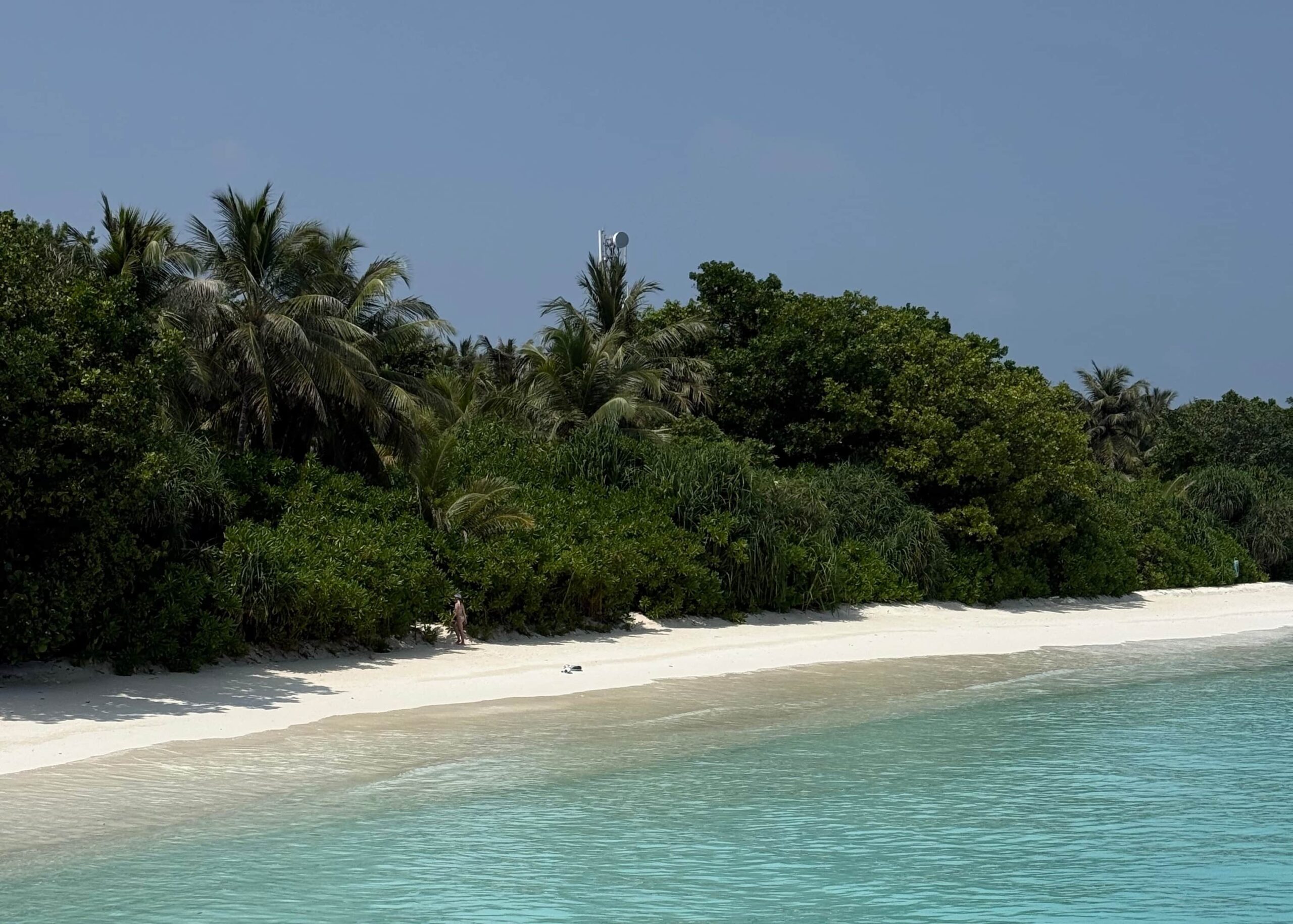
Photo Courtesy of Ramin Sade
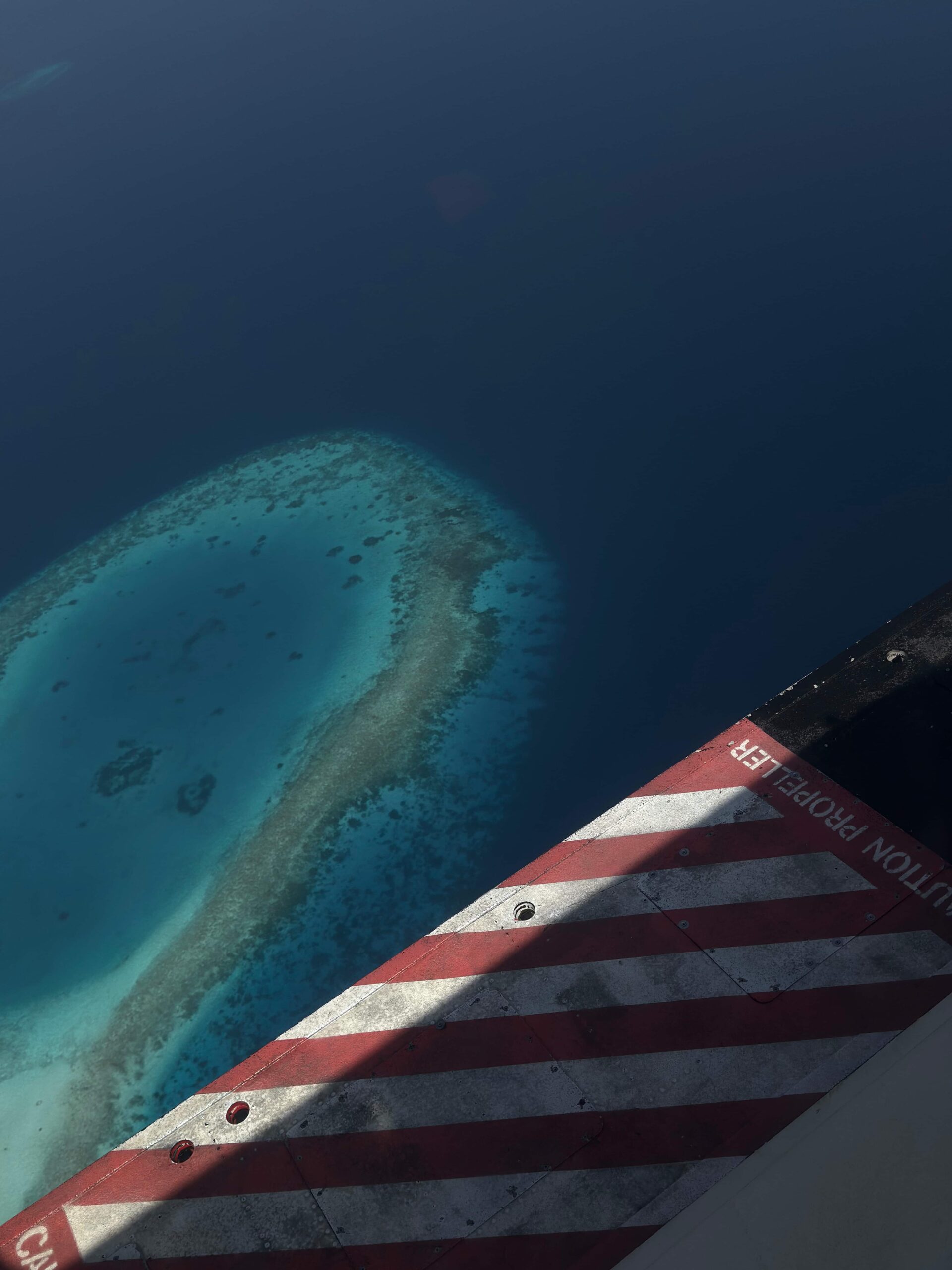
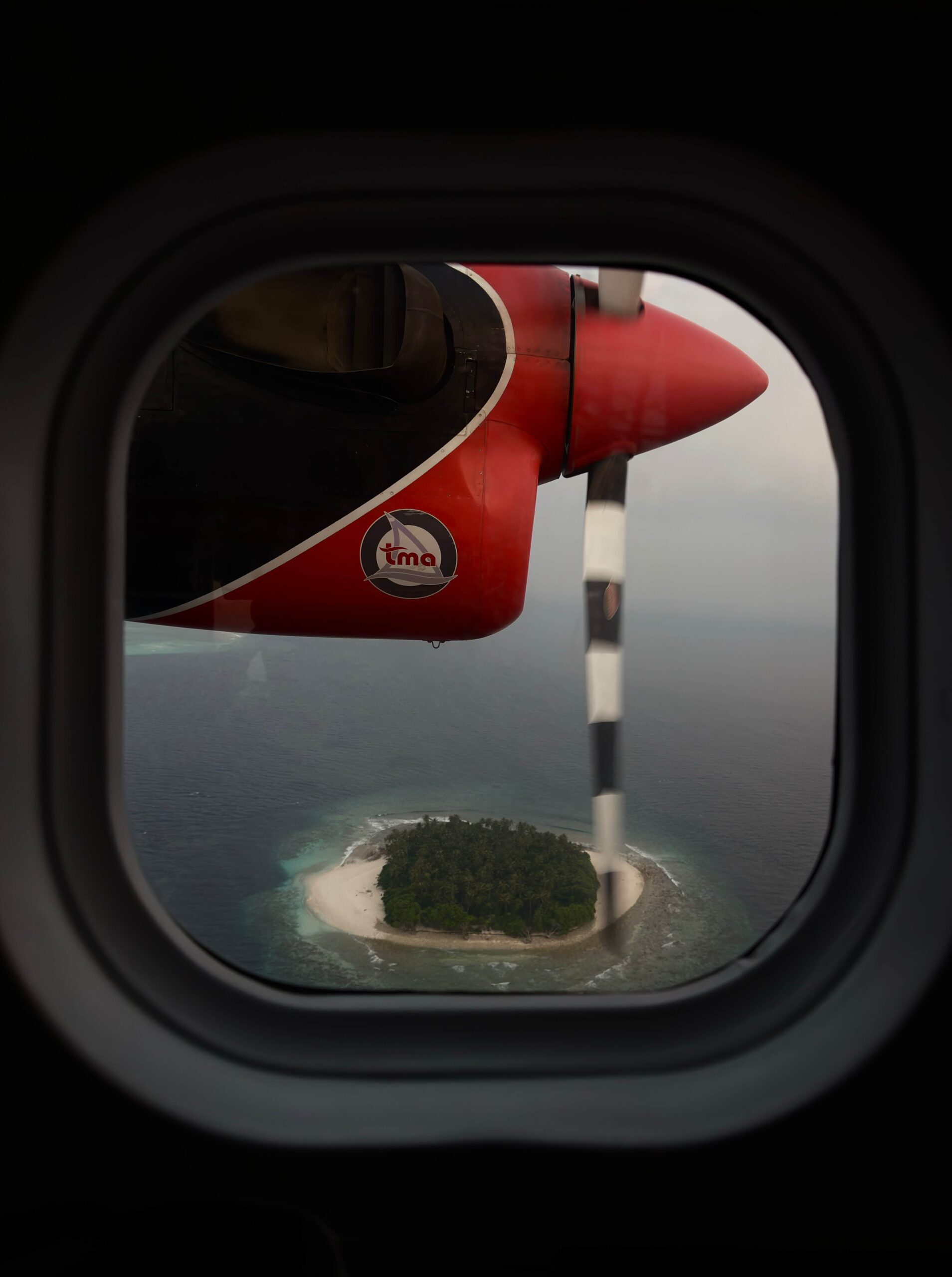
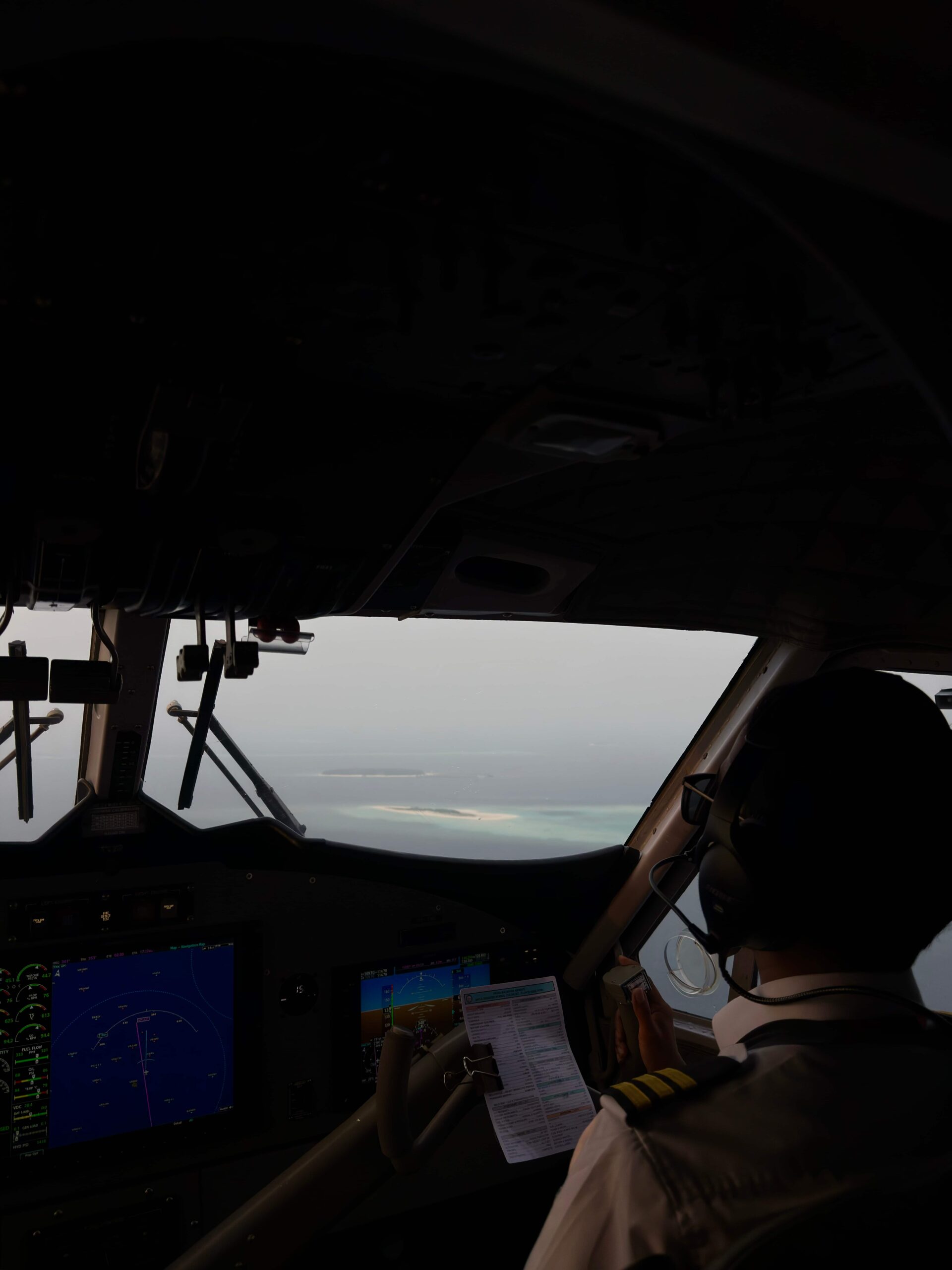
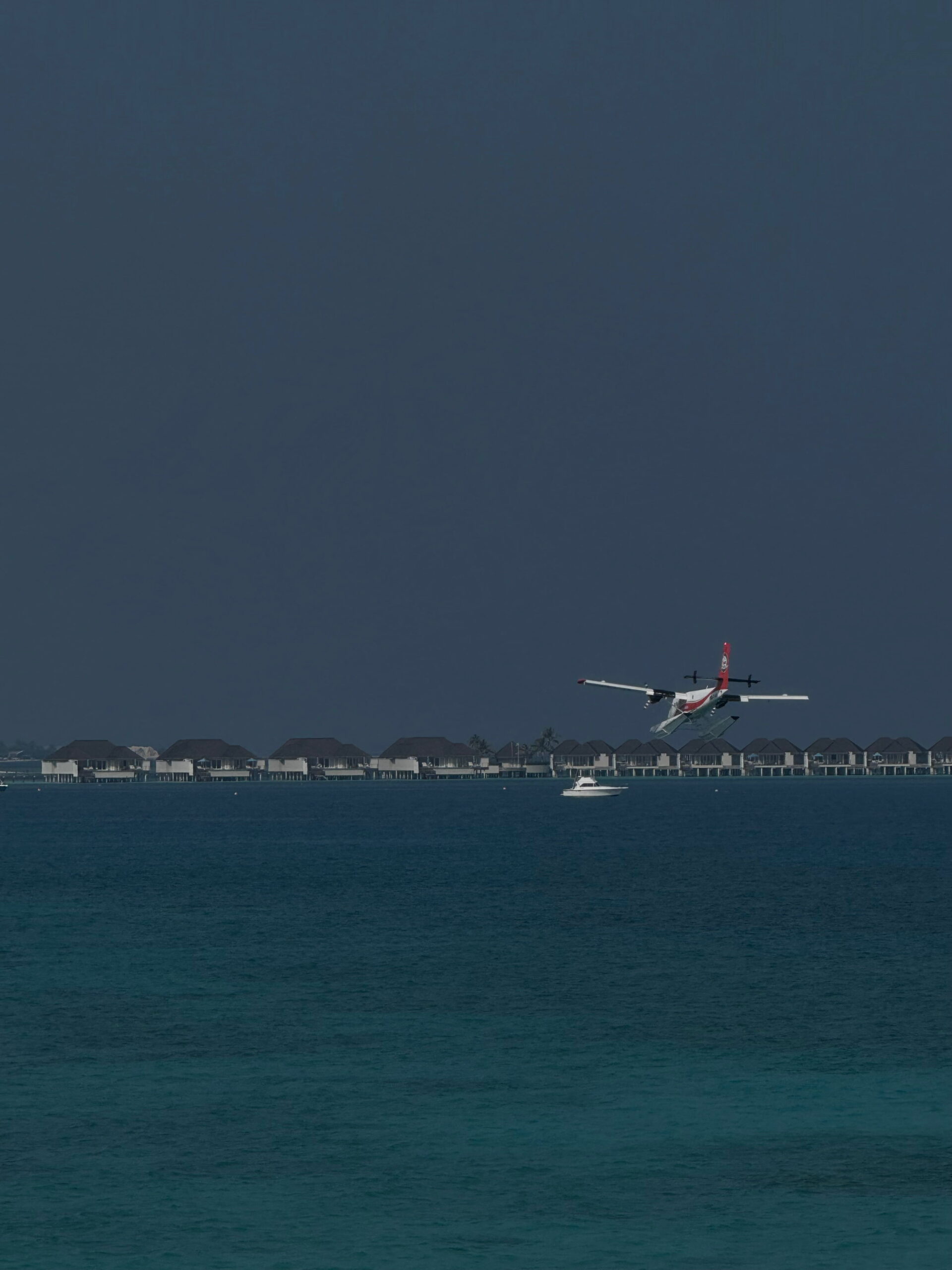
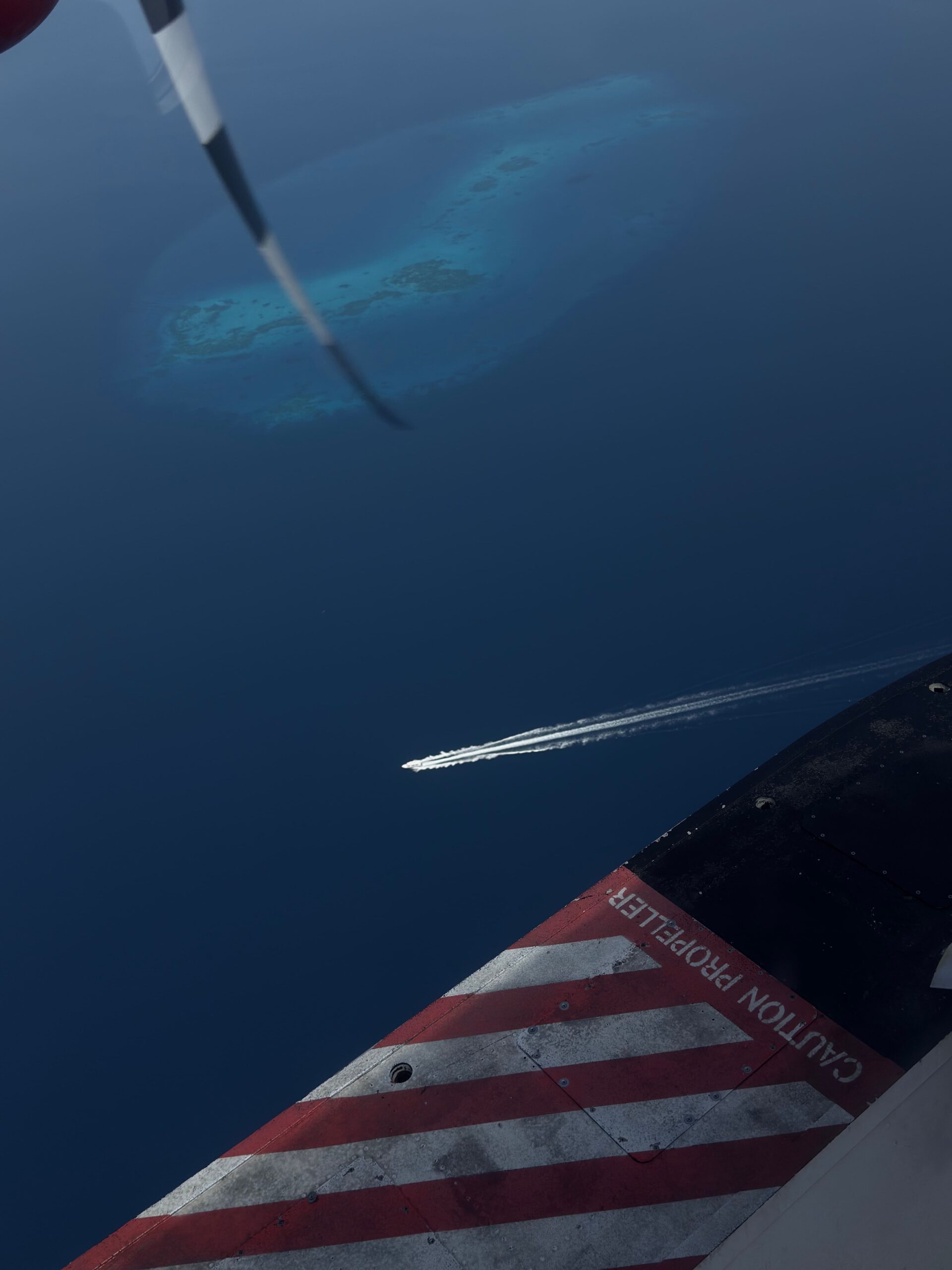
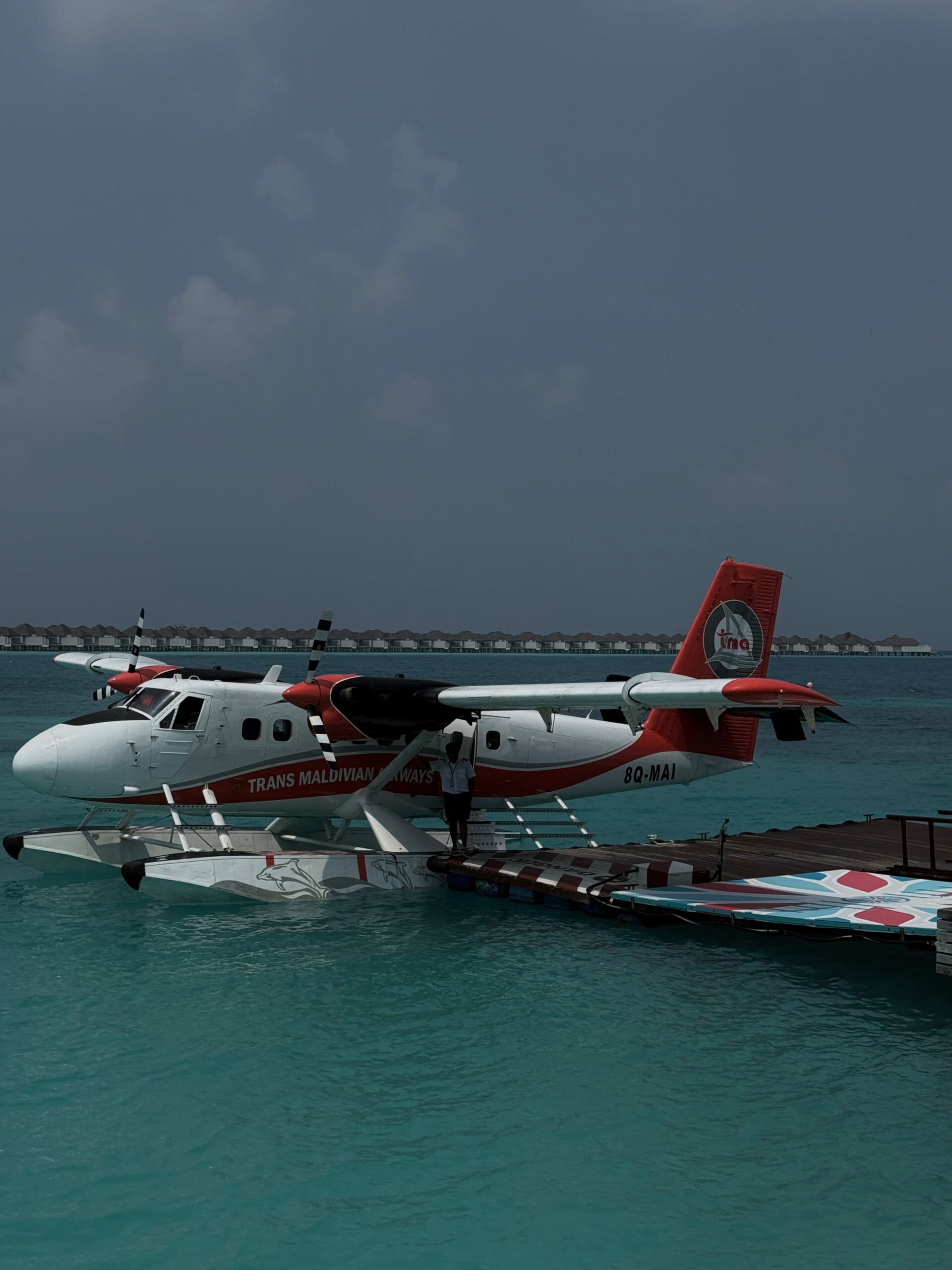
There is a moment during the seaplane journey across the Maldives when the landscape begins to look almost impossible. Far below, the Indian Ocean changes colour without warning, from deep blue to brilliant turquoise, interrupted by rings of coral and narrow stretches of white sand. Islands appear and disappear across the horizon, some covered in dense tropical vegetation, others seemingly no wider than a beach. From this height, it becomes clear why the Maldives has captured the imagination of travellers for generations. Yet the beauty of the archipelago is only the beginning of its story. Behind the familiar photographs of overwater villas and impossibly clear lagoons lies a remarkable island nation shaped by centuries of maritime trade, cultural exchange and an intimate relationship with the ocean.
In Baa Atoll, approximately 120 kilometres northwest of Malé, that relationship becomes especially meaningful. Designated a UNESCO Biosphere Reserve in 2011, the atoll is celebrated for its extraordinary marine biodiversity, intricate coral ecosystems and the seasonal gatherings of manta rays that have made nearby Hanifaru Bay internationally famous. It is also home to two properties that approach the idea of luxury from remarkably different perspectives. Finolhu, a Seaside Collection Resort, is an imaginative island playground where design, gastronomy and a lively social atmosphere come together. At the far end of its extraordinary sandbank, .Here introduces a more intimate world of architectural ambition, exceptional privacy and deeply personalised hospitality.
What makes these two destinations interesting is not simply their proximity. They offer contrasting answers to a question increasingly relevant to contemporary travel: what do we actually want from the places we visit? For some, the ideal holiday is filled with experiences, conversation, music and the pleasure of discovering something new each day. For others, it is the freedom to withdraw, to escape schedules and expectations, and to rediscover the value of an afternoon with nothing planned. Finolhu and .Here recognise that both desires can be equally meaningful, and that the most memorable journeys are often those that allow us to move between them.
Finolhu
Here
An Ocean That Has Always Connected Worlds
The Maldives is frequently described as a destination removed from the rest of the world, but its history tells a very different story. For centuries, the archipelago occupied an important position along the maritime routes connecting the Arabian Peninsula, East Africa, India and Southeast Asia. Merchants, sailors and travellers crossed these waters carrying goods, languages, religious ideas and cultural traditions. The islands became part of a much larger Indian Ocean world, where communities developed through both geographical isolation and international exchange.
The cowrie shell, once collected in large quantities across the Maldives, played an important role in this history. Used as currency in parts of Asia and Africa, these small shells connected the islands to commercial networks extending far beyond their shores. Traditional Maldivian life also developed around fishing, boatbuilding and the practical knowledge required to navigate an oceanic environment. The dhoni, the distinctive wooden vessel associated with the islands, remains an enduring symbol of this maritime heritage. Its elegant form reflects generations of adaptation to local conditions, while its continued presence illustrates the importance of the sea within Maldivian identity.
The geography of the country is equally extraordinary. The Maldives consists of natural coral atolls formed over immense geological timescales, with reefs growing around ancient volcanic structures that gradually subsided beneath the ocean. These living reef systems create the lagoons, channels and islands that define the archipelago today. Their beauty is inseparable from their ecological importance. Coral reefs provide habitats for marine life, help protect islands from wave energy and support communities whose livelihoods remain closely connected to the ocean.
This is particularly evident in Baa Atoll, where the combination of reef formations, channels and seasonal ocean conditions supports an exceptional diversity of marine species. Hanifaru Bay, one of the reserve’s best-known sites, becomes a gathering place for reef manta rays during favourable periods, when plankton-rich waters attract these remarkable animals. The experience of observing manta rays in their natural environment offers a perspective on the Maldives that extends far beyond the familiar pleasures of a beach holiday. It reveals a living ecosystem whose preservation is essential to the future of the islands.
Finolhu: An Island with a Personality of Its Own
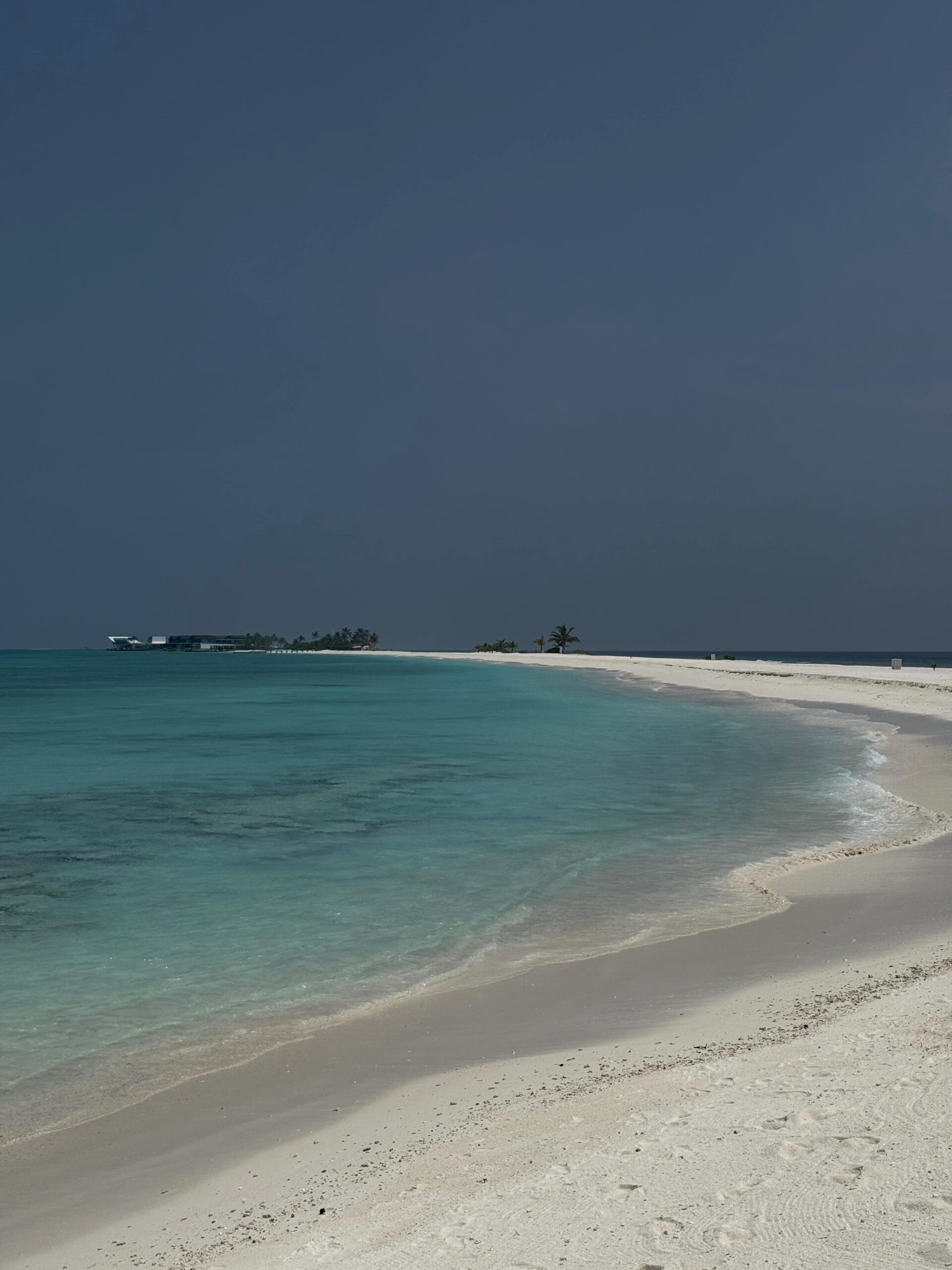
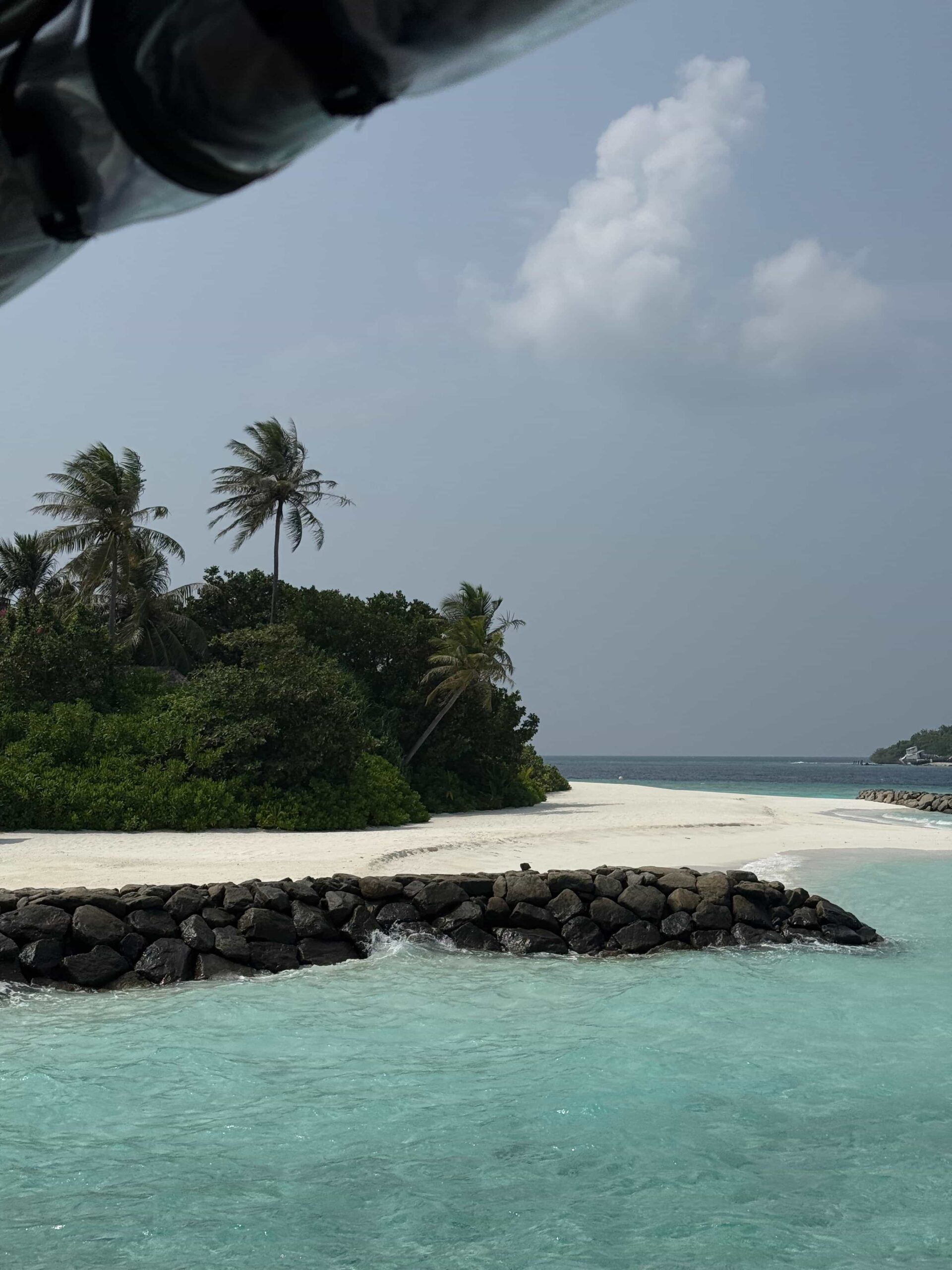
Finolhu opened in 2016 and underwent a major transformation before reopening in November 2020. Today, the resort belongs to the German hospitality group Seaside Collection and is also a member of Design Hotels. Its name, meaning sandbank in Dhivehi, could hardly be more appropriate. The property stretches across a remarkable network of four islands connected by white sand, with approximately two kilometres of beaches creating an environment that feels unusually expansive for the Maldives.
The sandbank is Finolhu’s defining geographical feature. It extends far into the lagoon, gradually narrowing until the surrounding water seems to occupy almost the entire field of vision. Walking along it creates an extraordinary sensation of openness. The landscape becomes increasingly simple: sand beneath your feet, the ocean on either side and the horizon stretching into the distance. It is the kind of place where the natural environment needs very little embellishment, and where even a short walk can become one of the most memorable experiences of a journey.
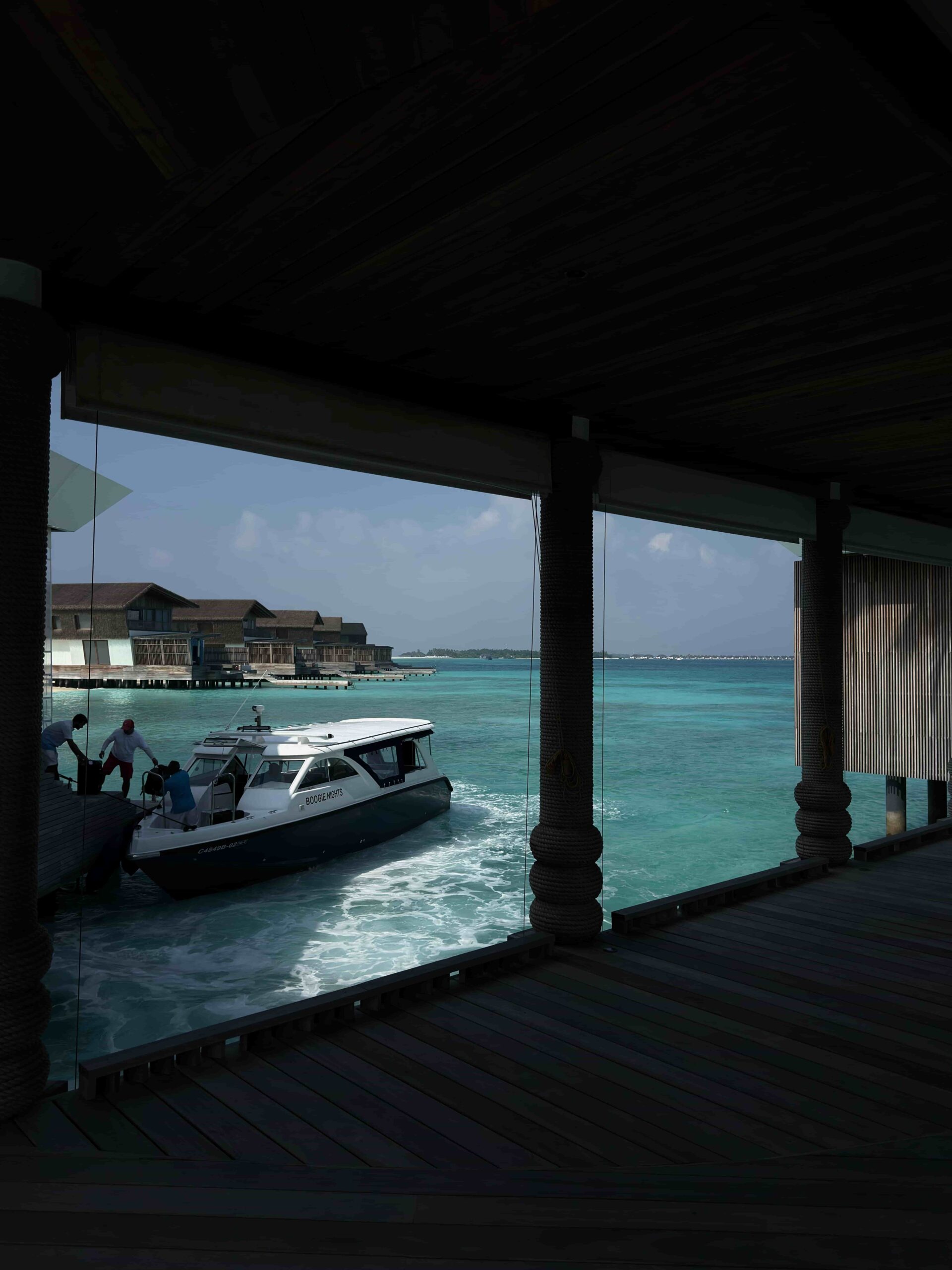
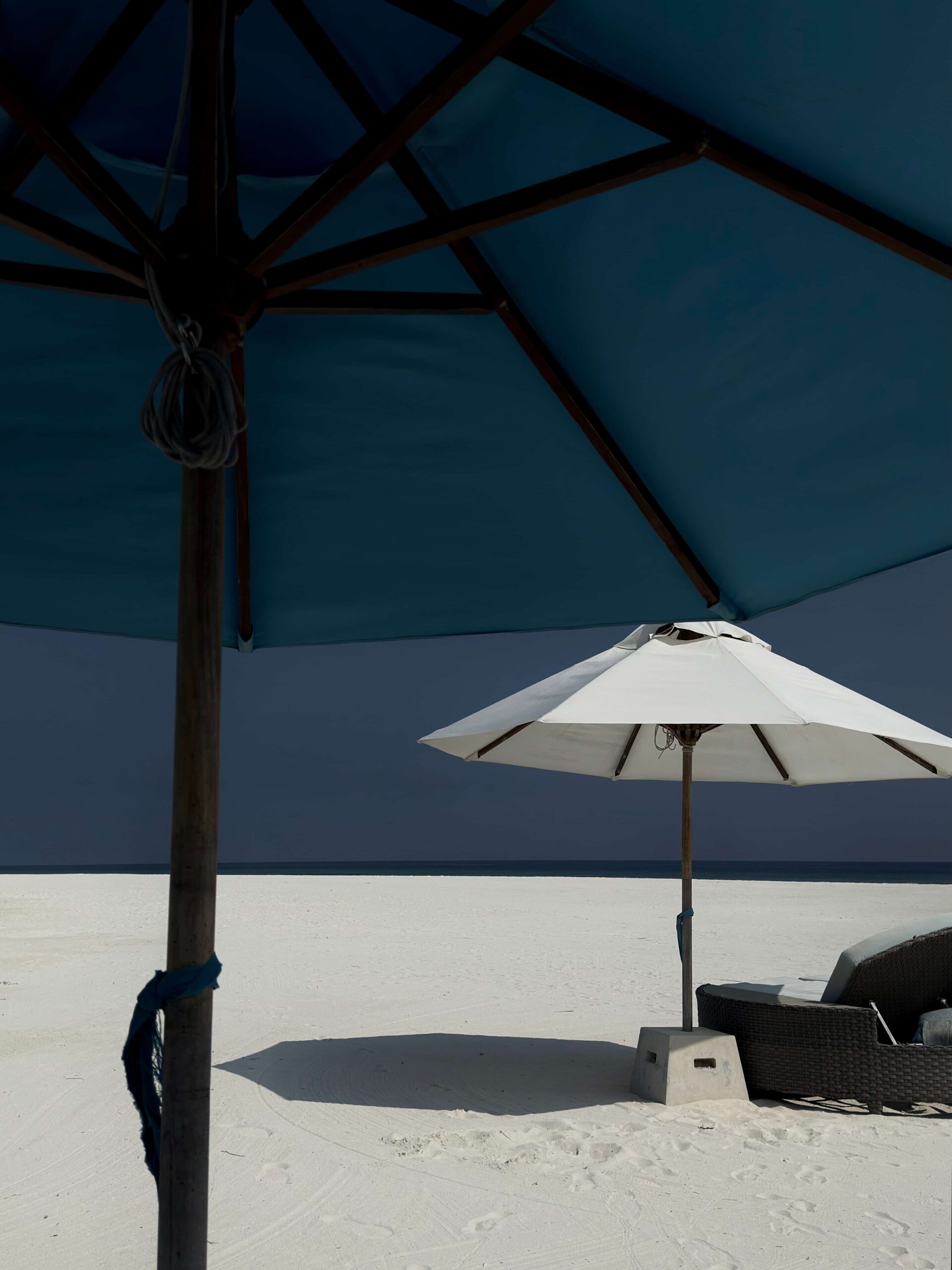
Yet Finolhu has never attempted to present itself as a conventional island retreat devoted exclusively to silence and seclusion. Its personality is playful, confident and refreshingly sociable. There is music, colour, movement and a sense that guests are encouraged to enjoy the island according to their own interests. A morning might begin with a swim or a yoga session, continue with a leisurely lunch beside the water and end with cocktails, live entertainment or an evening beneath the stars. Equally, an entire day can pass without leaving the privacy of a villa. The resort’s appeal lies in its refusal to suggest that there is only one correct way to experience the Maldives.
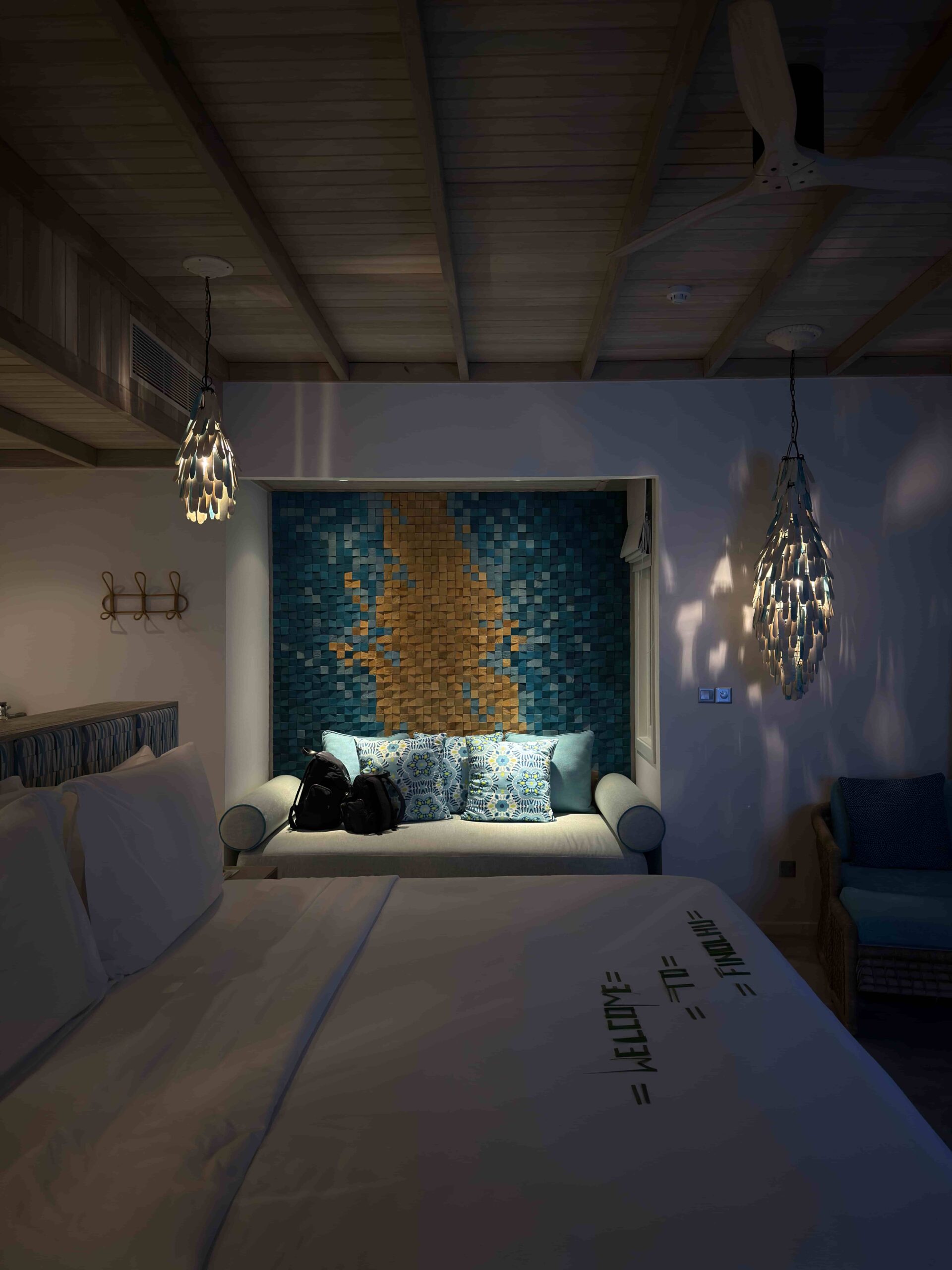
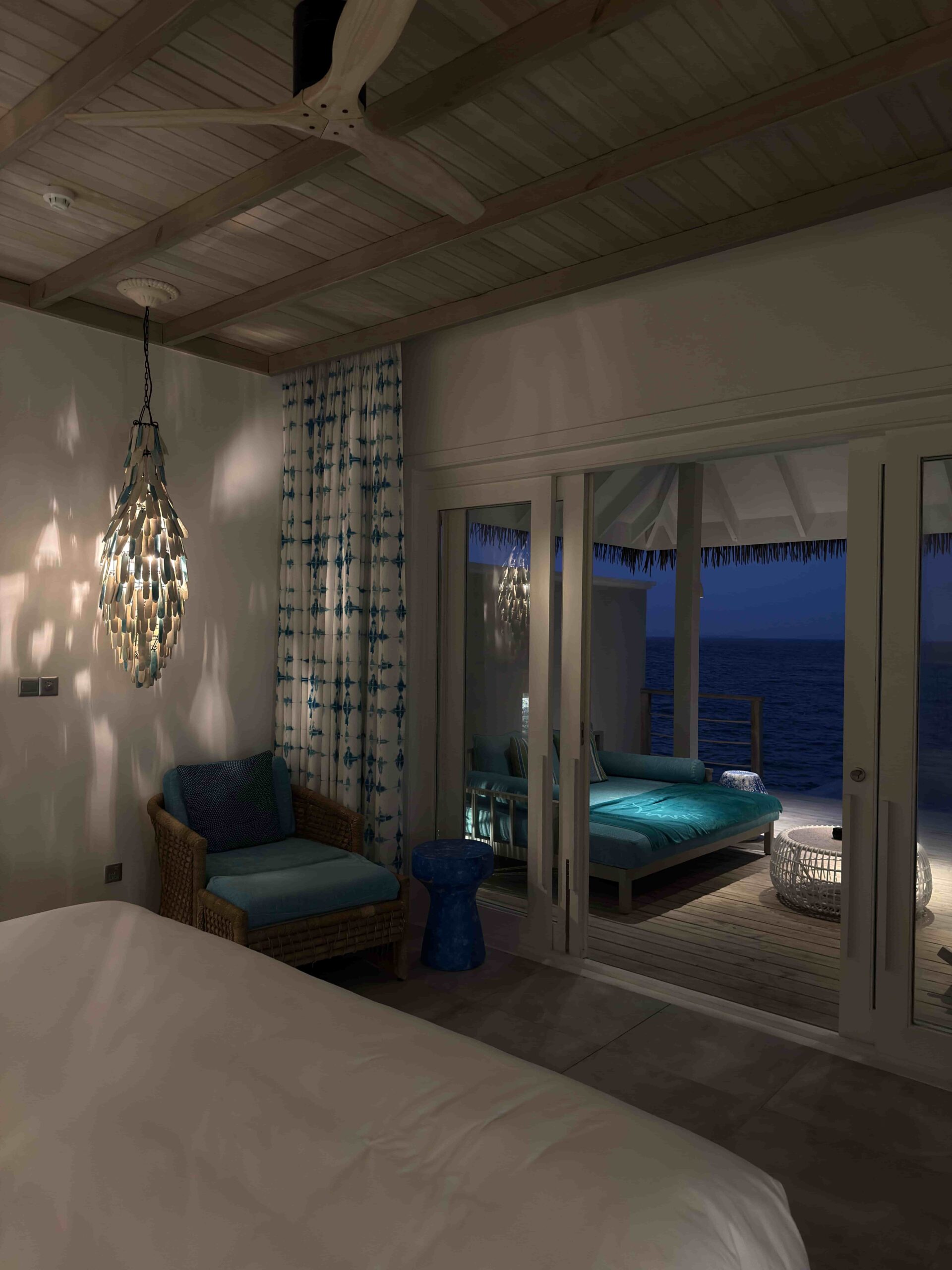
The design reinforces this individuality. London-based Muza Lab, responsible for the resort’s transformed interiors, drew inspiration from the colours and textures of the surrounding natural environment. Instead of relying entirely upon the muted timber and neutral fabrics often associated with tropical luxury, the villas introduce a more expressive palette. Shades of blue, green and coral appear alongside tactile materials, carefully considered furnishings and details that create an atmosphere of relaxed sophistication.
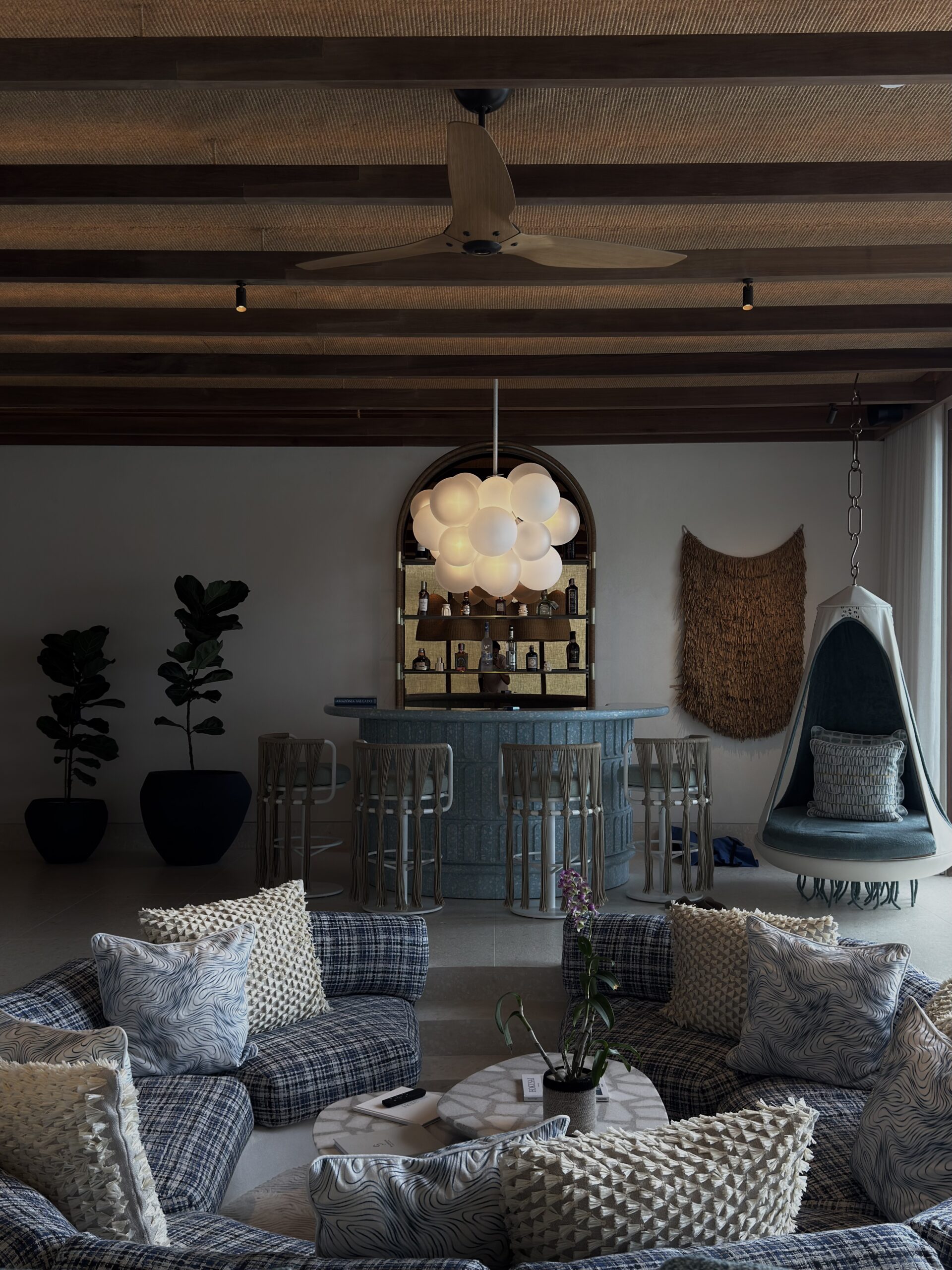
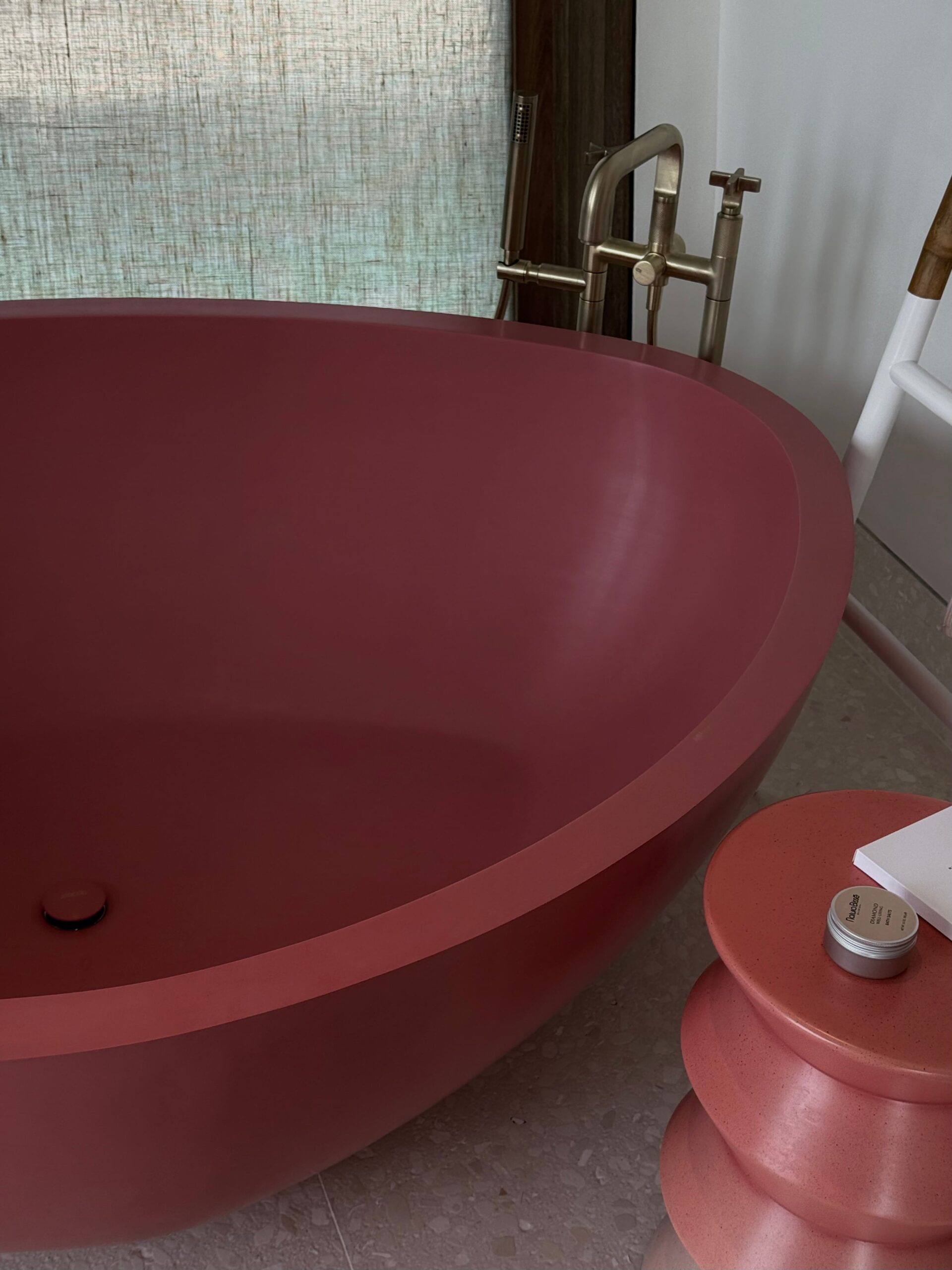
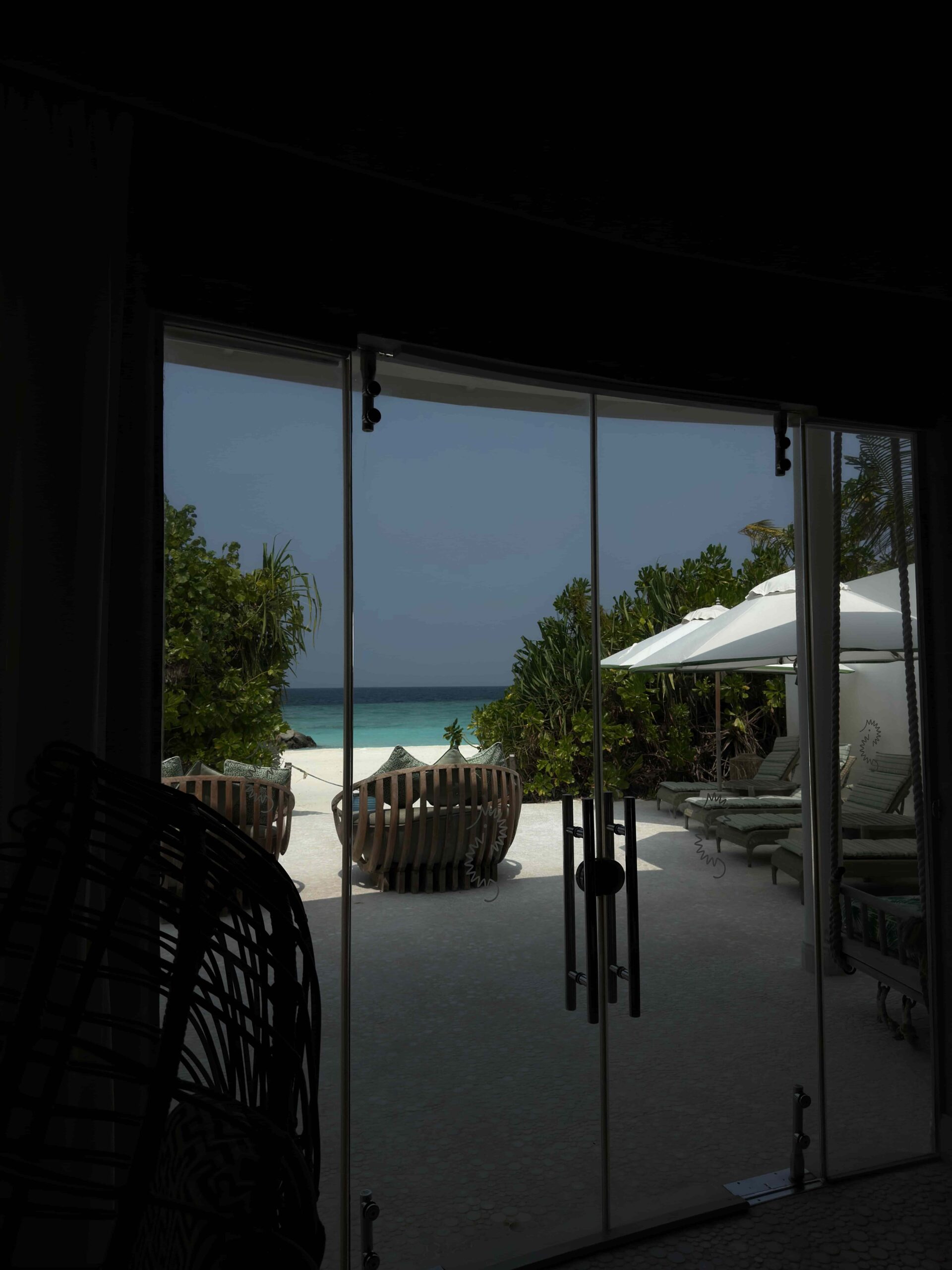
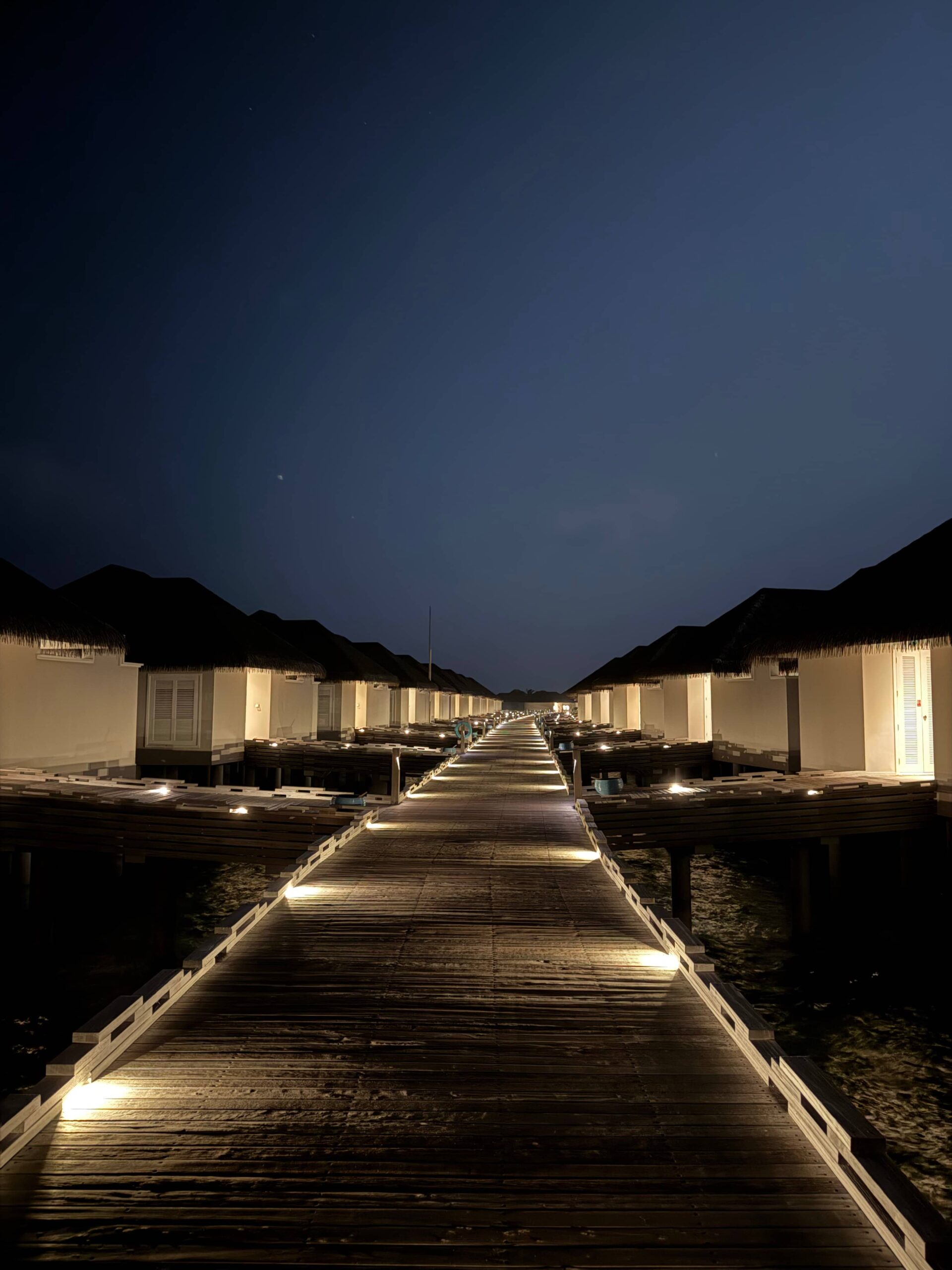
Finolhu offers 125 villas positioned along the beach, beside the lagoon or above the water, with many featuring private swimming pools. The accommodation ranges from generous one-bedroom retreats to expansive multi-bedroom residences designed for families or groups of friends. Outdoor showers, private terraces and direct access to the surrounding landscape encourage guests to spend much of their time between indoor and outdoor spaces. The experience is luxurious, but the emphasis remains on comfort and freedom rather than unnecessary formality.
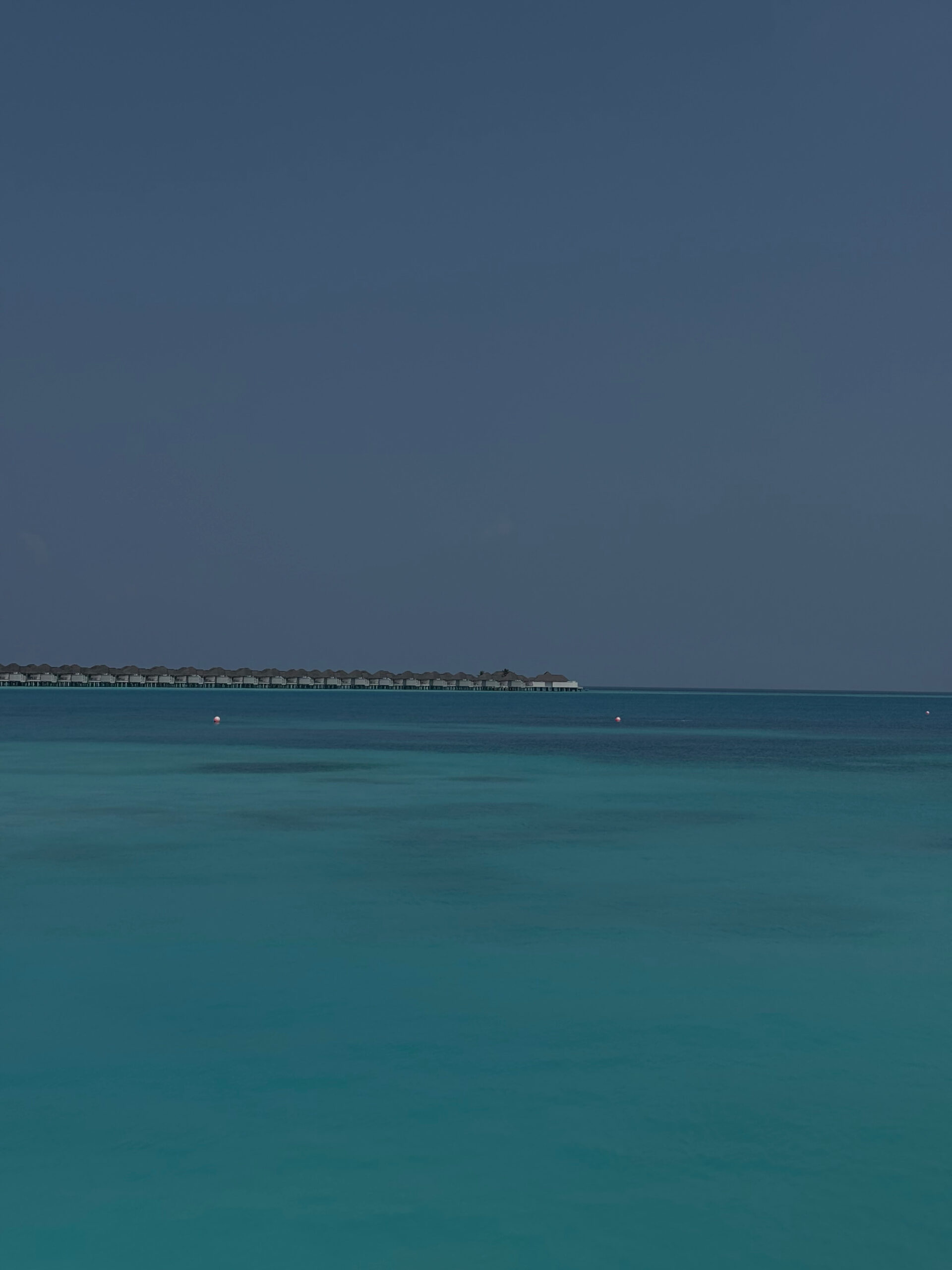
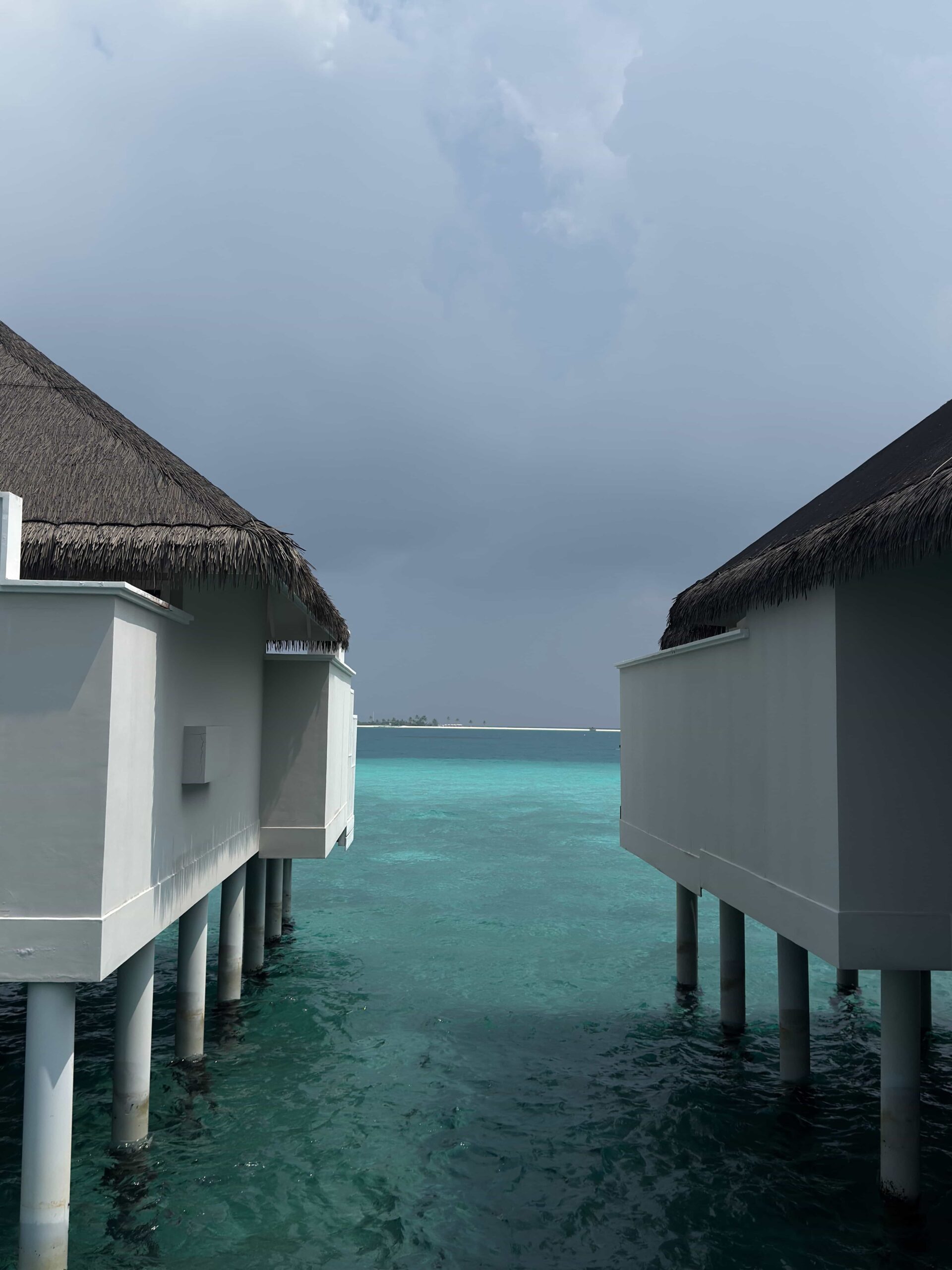
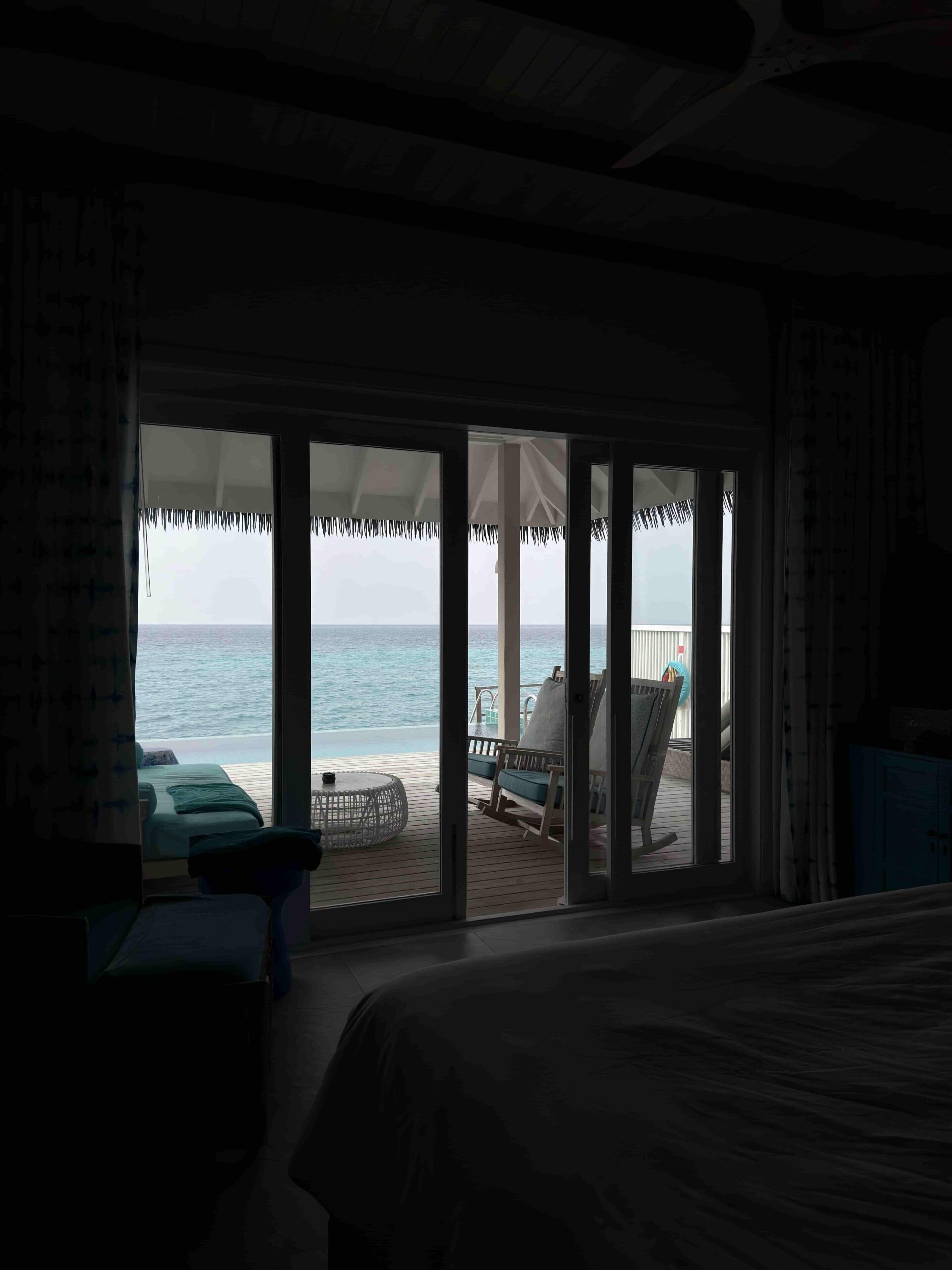
The overwater villas provide the familiar pleasure of living directly above the lagoon, where the changing colours of the sea become part of the daily experience. Beach villas offer a different atmosphere, surrounded by tropical vegetation and opening onto stretches of white sand. Both have their own appeal, and the choice depends largely upon the kind of relationship a traveller wishes to establish with the island. The first offers a sense of suspension above the ocean; the second provides the intimacy of a private tropical garden.
The Pleasure of Eating Without Watching the Clock
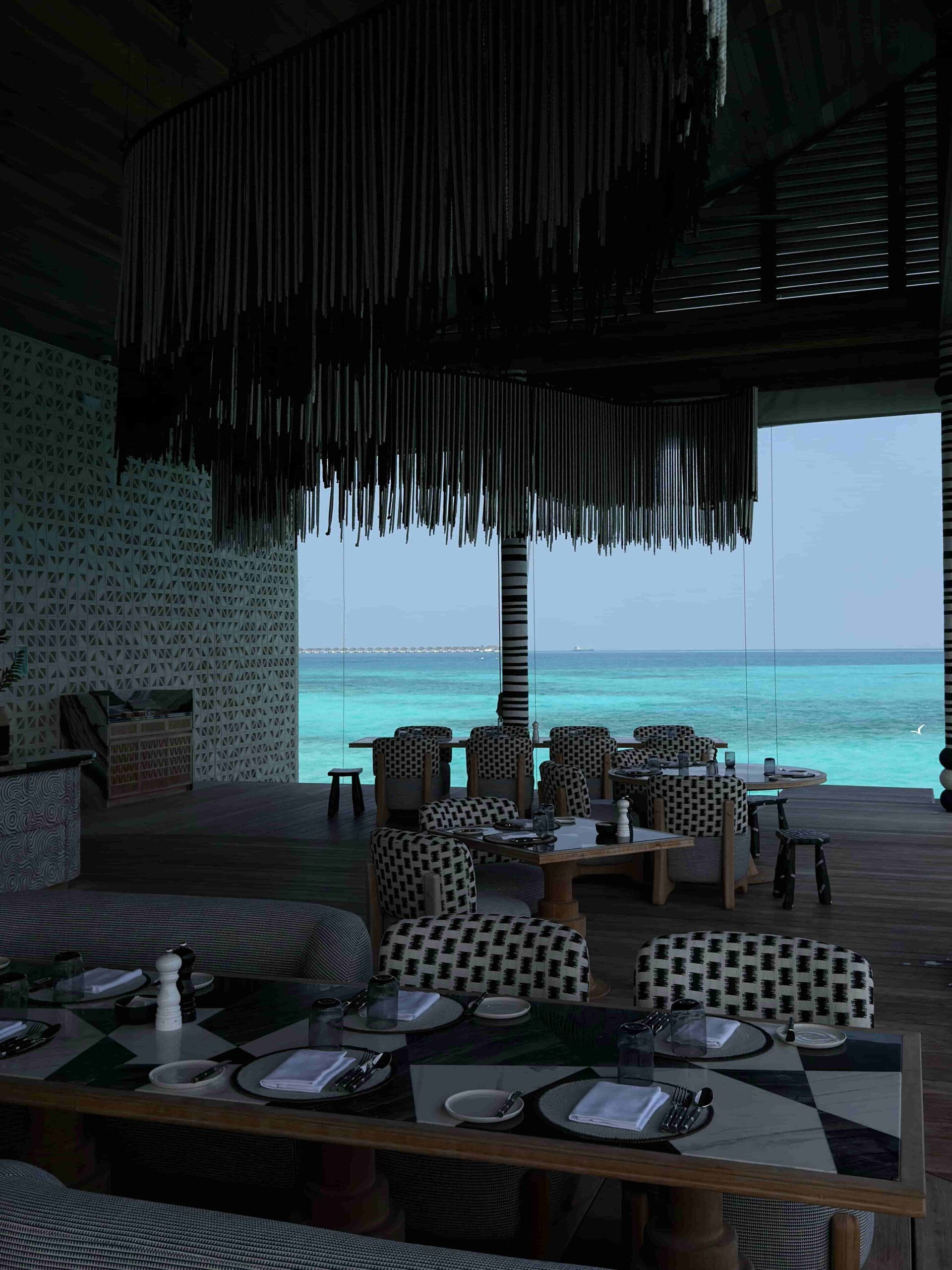
Food is central to Finolhu’s character, and the resort’s four restaurants offer considerably more variety than might be expected from a relatively small island destination. The culinary experience moves between international favourites, Japanese refinement, Middle Eastern influences and informal beachside dining, allowing guests to choose an atmosphere as readily as a cuisine.
Beach Kitchen is the resort’s everyday gathering place, serving breakfast, lunch and dinner in a relaxed setting overlooking the water. Its appeal lies in the ease of the experience: freshly prepared dishes, a broad selection of international flavours and the possibility of enjoying a long breakfast without feeling that the day needs to begin immediately. In a destination where the landscape already provides so much pleasure, such uncomplicated moments can become surprisingly important.
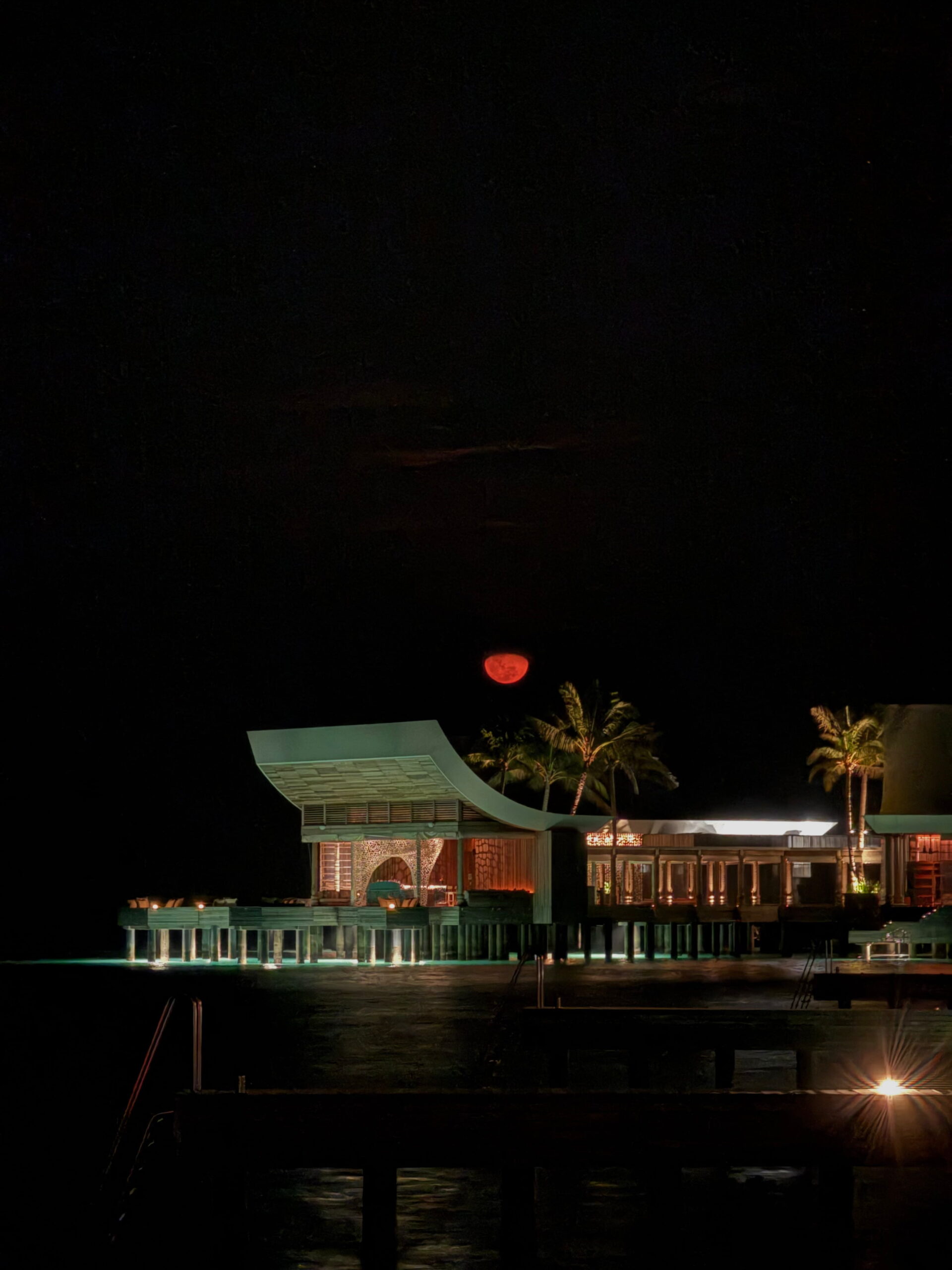
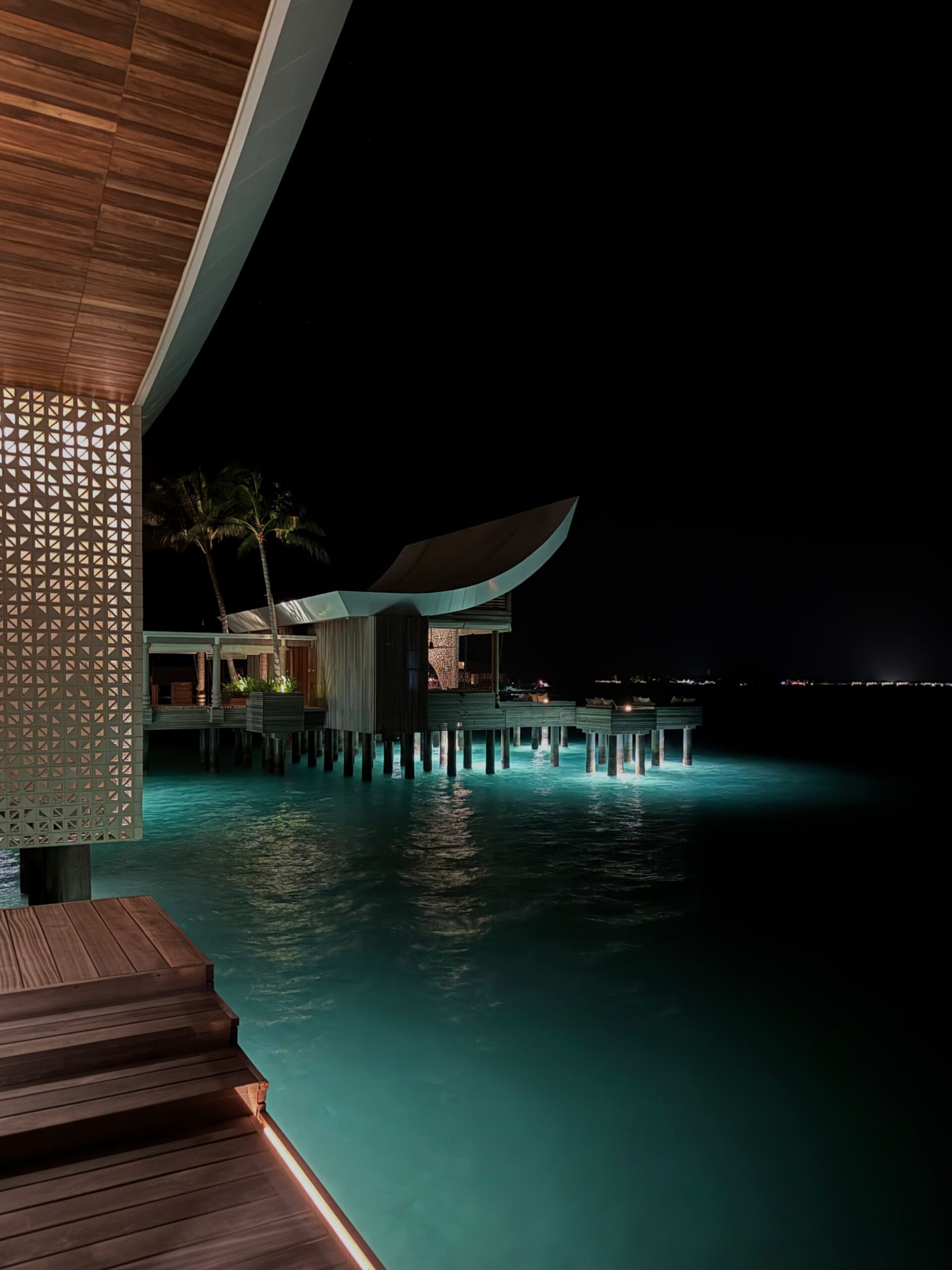
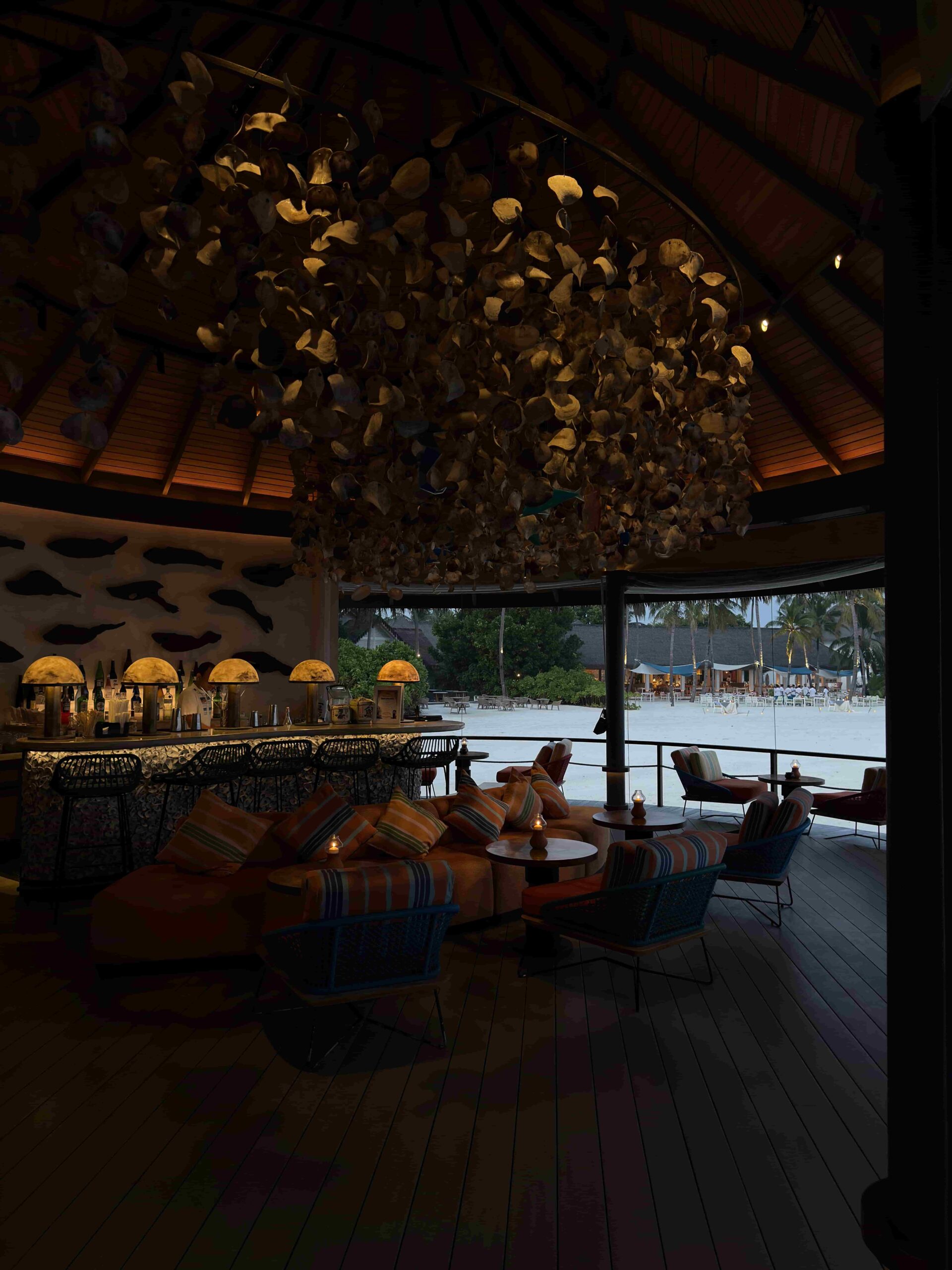
Kanusan introduces a more refined dimension. Positioned above the ocean and reached by a wooden walkway, the restaurant specialises in Japanese cuisine, with sushi and carefully prepared contemporary dishes forming part of its identity. The setting creates an intimate atmosphere, particularly in the evening, when the surrounding water becomes almost invisible and the restaurant seems to float in the darkness. The combination of Japanese culinary precision and the relaxed rhythm of the Maldives offers an appealing contrast between two very different island cultures.
At Arabian Grill, the culinary direction turns towards North Africa and the Middle East. Aromatic spices, grilled ingredients, mezze and slow-cooked preparations introduce flavours associated with some of the historical trading cultures of the Indian Ocean. The restaurant’s concept feels particularly appropriate in the Maldives, a country whose culinary and cultural development has been shaped by centuries of exchange with neighbouring regions.
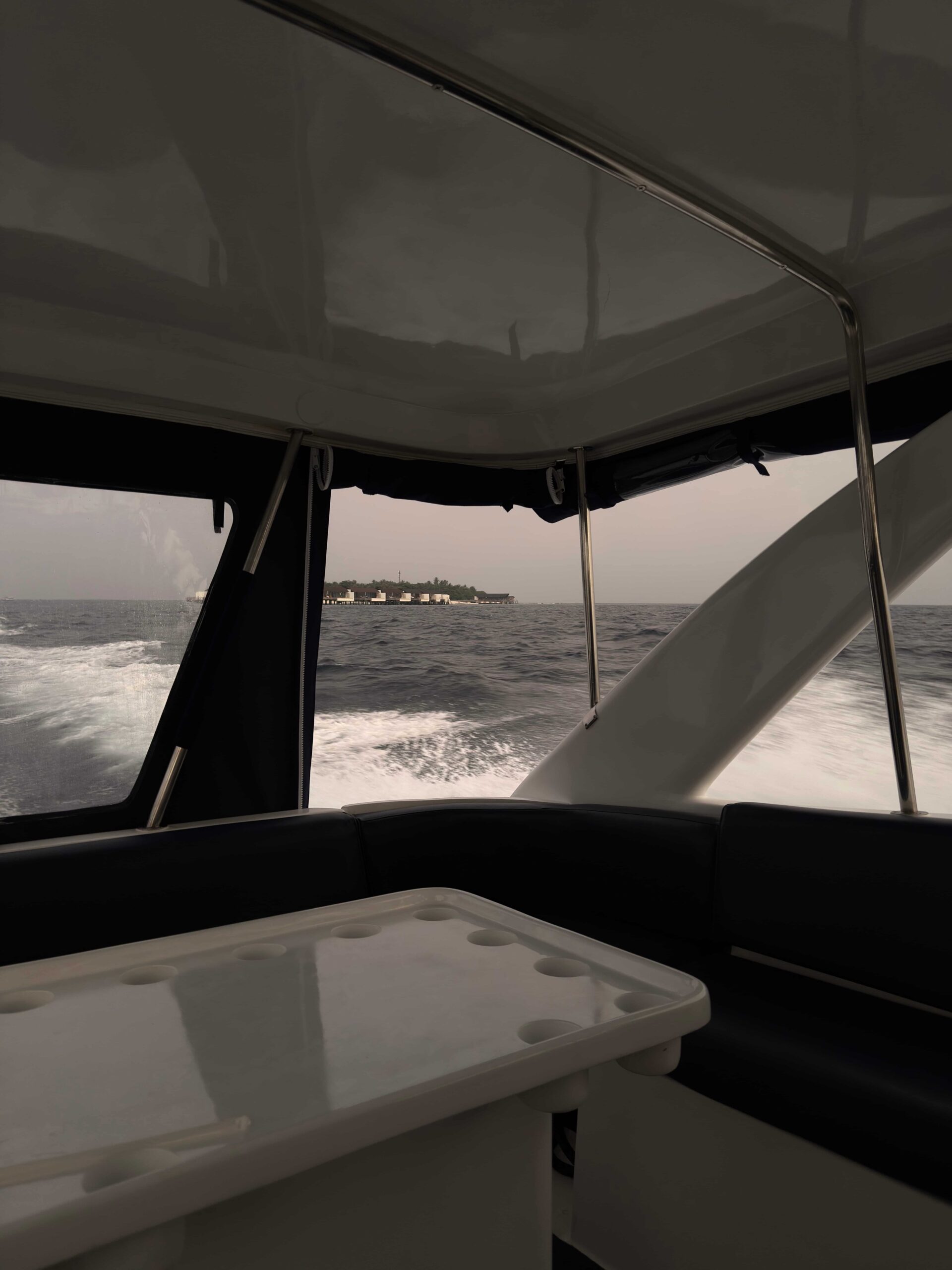
Then there is Crab Shack, arguably one of Finolhu’s most memorable destinations. Situated along the sandbank, approximately twenty minutes away on foot or a short journey by traditional boat, the rustic restaurant captures the pleasure of dining with almost nothing between the table and the sea. Its wooden structure and thatched roof create an atmosphere of informal island living, while dishes such as seafood, salads and grilled specialities encourage long lunches that extend comfortably into the afternoon. There is no need for elaborate ceremony. The setting provides its own sense of occasion.
The Beach Club adds another personality to the resort, particularly after sunset. Music, cocktails and occasional entertainment create a lively atmosphere that distinguishes Finolhu from properties where evenings are expected to remain entirely quiet. Importantly, this energy does not define every corner of the island. Guests can participate in the social atmosphere or retreat into their own space, allowing different moods to coexist without contradiction.
Beneath the Surface
For all its architectural and culinary attractions, the greatest reason to visit Baa Atoll remains the ocean itself. Finolhu provides access to snorkelling, diving and marine excursions that introduce guests to the ecological richness of the surrounding waters. Coral formations, reef fish, turtles and other marine species reveal a world that operates according to rhythms entirely different from those of life on land.
The resort’s proximity to Hanifaru Bay offers the possibility of guided excursions during appropriate seasonal conditions, although sightings of manta rays or whale sharks can never be guaranteed. These encounters are governed by environmental regulations designed to protect the animals and their habitat. Understanding those protections is part of appreciating the experience. The privilege of observing wildlife in its natural environment carries a responsibility to avoid disturbing it.
Finolhu has also developed marine conservation initiatives, including a coral propagation project intended to support the recovery of damaged reef areas. The resort describes work involving its marine biologist and contributions to wider conservation knowledge, alongside community initiatives involving neighbouring islands and local suppliers. Such programmes are particularly relevant in the Maldives, where the health of the ocean is inseparable from the country’s environmental and economic future.
The challenges are substantial. Rising ocean temperatures, coral bleaching, coastal erosion and the pressures associated with tourism all affect fragile island environments. No resort can resolve these problems independently, and conservation initiatives should be understood as contributions rather than complete solutions. Nevertheless, the presence of marine education and reef restoration programmes offers guests an opportunity to engage more thoughtfully with the landscape they have travelled so far to enjoy.
There is something deeply affecting about the contrast between the apparent simplicity of the Maldives and the complexity of the ecosystems sustaining it. From the beach, the lagoon may appear almost motionless. Beneath the surface, however, an extraordinary network of relationships is constantly unfolding. The more one learns about this environment, the more remarkable its beauty becomes.
.Here: The Luxury of Being Entirely Present
At the far end of Finolhu’s remarkable sandbank, another world begins. Opened in December 2025, .Here represents a strikingly different interpretation of the Maldivian experience. Also developed by Seaside Collection, the resort comprises just nine residences across two small islands, Somewhere and Nowhere, creating one of the most intimate ultra-luxury hospitality concepts in the country.
The name is deliberately unusual. .Here suggests a state of mind as much as a geographical location, inviting guests to reconsider the meaning of escape. Somewhere and Nowhere continue this playful philosophical idea. One offers a collection of extraordinary residences designed for shared experiences, while the other introduces an even greater degree of seclusion and exclusivity.
At a time when luxury travel increasingly competes through scale, elaborate facilities and constant innovation, .Here takes a different approach. Its ambition is to create a world in which space, privacy and personal freedom become the defining privileges. Rather than surrounding guests with an extensive programme of activities, the resort allows experiences to be shaped around individual preferences.
The architectural concept is particularly compelling. Designed by KulörGroup, with interiors by Muza Lab, the residences respond to the unusual geography of the narrow sandbank. Instead of choosing between conventional beach and overwater accommodation, the architecture combines elements of both within the same residence. Living spaces extend across the island, connecting the lagoon-facing side with the ocean beyond.
The result is an architectural experience that feels closely connected to the landscape. Views extend in different directions, natural light changes throughout the day, and the surrounding water remains constantly present. The buildings are substantial, but their arrangement acknowledges the exceptional setting, allowing the ocean to become an integral part of the experience rather than simply a backdrop.
Somewhere, Nowhere and the Architecture of Freedom
Somewhere contains seven expansive two-storey residences, including five three-bedroom and two four-bedroom configurations. Their interiors combine generous living spaces, private dining areas, multiple terraces and remarkable swimming pools that extend across the narrow island. Measuring approximately 45 to 47 metres, these pools are among the property’s most distinctive architectural features, creating a visual connection between the surrounding water and the private world of each residence.
Muza Lab’s interiors introduce an expressive interpretation of contemporary tropical design. Colour is used with confidence, moving between lagoon blues, rich greens and warmer tones inspired by the natural environment. Woven details, sculptural lighting and tactile surfaces contribute to spaces that feel imaginative without losing their residential comfort. References to Maldivian maritime traditions, including forms inspired by the traditional dhoni, connect the architecture to the country’s cultural heritage.
The residences are designed for flexibility. Bedrooms, lounges, dining spaces and terraces allow different generations or groups of friends to spend time together without sacrificing privacy. Additional rooms can accommodate activities such as wellness treatments, exercise or work, reflecting the changing expectations of travellers who increasingly seek environments capable of adapting to their individual routines.
Nowhere takes the idea of privacy further. The island contains a five-bedroom beach residence and a three-bedroom ocean residence, with the possibility of reserving the entire island for exclusive use. It is a concept particularly suited to families or groups seeking a completely private setting, where the daily experience can be organised without reference to the routines of a larger resort.
What makes this approach interesting is that privacy is treated not simply as separation from other people, but as freedom from unnecessary interruption. Guests can choose when to dine, how to spend their time and whether to participate in organised experiences. The environment is designed to respond to those decisions rather than impose a predetermined programme.
Personalised hospitality is central to this philosophy. Each residence benefits from dedicated Roohu service, a concept whose name draws upon the Dhivehi word for soul. The role extends beyond conventional butler service, coordinating dining, activities and practical arrangements according to the preferences of each guest. At its best, such service allows hospitality to become almost invisible, creating an atmosphere in which everything feels considered without requiring constant attention.
A Culinary Journey with an Unexpected Connection
At the centre of .Here’s dining experience is Safar, an overwater restaurant and bar serving internationally inspired cuisine. Its name carries a particularly interesting meaning: safar is associated with travel and journeys across several languages, including Arabic and Persian, and the resort presents it as the Dhivehi word for journey.
For a publication such as SAFAR, whose own identity is built around travel, cultural exchange and the connection between different worlds, the coincidence feels especially appropriate. The restaurant’s culinary philosophy reflects this international perspective, drawing upon flavours and traditions from different regions while allowing guests to dine in a setting defined by the surrounding ocean.
The architecture of Safar is equally distinctive. Open pavilions, expressive roof forms and carefully positioned seating areas create a relaxed yet sophisticated environment above the water. Its atmosphere changes throughout the day, from the openness of breakfast to the more intimate character of dinner and evening drinks.
Dining at .Here is not restricted to the restaurant. Private chefs and personalised service allow meals to be arranged within the residences, on terraces or in other intimate settings. This flexibility reflects the property’s broader philosophy: luxury is not necessarily having more choices displayed before you, but having the freedom to shape an experience around what you genuinely enjoy.
Guests at .Here also have access to Finolhu’s restaurants and facilities, creating an unusual relationship between the two properties. A day devoted to privacy can be followed by a lively lunch at Crab Shack, an evening at Kanusan or a visit to Finolhu’s Beach Club. The arrangement allows travellers to enjoy the intimacy of a small private retreat without feeling entirely removed from the social pleasures of a larger resort.
The connection works particularly well because the properties retain their separate identities. Finolhu is not simply an extension of .Here, nor is .Here merely a more exclusive category of accommodation. Each has its own atmosphere and purpose, offering two complementary interpretations of island hospitality.
What the Maldives Can Teach Us About Time
There is a reason the Maldives continues to attract travellers who have already experienced many of the world’s most celebrated destinations. Its appeal is not dependent upon cultural monuments, elaborate itineraries or the constant discovery of new attractions. Instead, it offers something increasingly difficult to find in everyday life: the opportunity to experience time differently.
The change can be subtle. Without the usual demands of appointments, commuting and constant communication, the smallest details begin to acquire greater importance. The changing colour of the water becomes worth noticing. A meal can continue without concern for the next obligation. An afternoon can be spent reading, swimming or simply watching the horizon without feeling that something more productive should be happening.
Finolhu embraces this freedom through movement and variety. It encourages guests to participate, explore and enjoy the pleasures of island life without excessive formality. .Here approaches the same idea through intimacy and control over one’s surroundings, creating an environment where the absence of interruption becomes an essential luxury.
Neither philosophy is inherently superior. Their appeal depends upon the individual, the purpose of the journey and even the mood of a particular day. What makes their relationship distinctive is the recognition that contemporary travellers rarely belong to a single category. The same person may desire complete solitude in the morning and a lively dinner with friends in the evening. Luxury becomes more meaningful when it accommodates these contradictions rather than attempting to eliminate them.
There is also a broader cultural question worth considering. As international tourism continues to expand, destinations are increasingly presented through familiar images and expectations. The Maldives is particularly vulnerable to this simplification, often reduced to a collection of identical photographs featuring turquoise water, white sand and private pools. Yet the country possesses a rich history, distinctive cultural traditions and a fragile natural environment that deserve greater attention.
Experiencing the Maldives thoughtfully means looking beyond the resort itself. It means recognising the communities whose knowledge and labour sustain the hospitality industry, understanding the ecological importance of coral reefs and appreciating the maritime heritage that has shaped life across the islands for centuries. The extraordinary beauty of the destination becomes more meaningful when placed within this wider context.
Finolhu and .Here offer different opportunities to engage with that environment. Through marine excursions, local cultural encounters, design references and the simple experience of living close to the ocean, both properties demonstrate how hospitality can become a starting point for curiosity rather than an entirely self-contained escape.
Two Islands, One Different Perspective on Luxury
The relationship between Finolhu and .Here reflects an interesting shift in the international luxury market. For many years, exceptional hospitality was often measured through visible abundance: larger suites, more elaborate facilities, increasingly extensive dining options and highly formal service. These qualities remain important, but contemporary travellers are also seeking experiences that feel individual, emotionally engaging and connected to the places they visit.
Finolhu responds through personality. Its colourful design, varied restaurants, extraordinary sandbank and lively atmosphere create a destination that celebrates the pleasures of being on holiday. It is particularly appealing to travellers who enjoy the freedom to move between relaxation and activity, whether travelling as a couple, with friends or as a family.
.Here offers a more private interpretation, where architectural space, discretion and personalised attention define the experience. Its limited number of residences allows guests to establish their own rhythm, while access to Finolhu introduces variety whenever desired. The result is an unusual balance between complete seclusion and the possibility of social connection.
Both properties also reveal the importance of thoughtful design in shaping the experience of a destination. At Finolhu, colour and playful details introduce energy without overwhelming the natural setting. At .Here, architecture responds directly to the unusual geography of the sandbank, creating residences that engage with the surrounding water from multiple perspectives. In each case, design becomes more than decoration. It influences how guests move, gather, relax and experience the landscape.
Perhaps the most valuable quality shared by the two resorts is their understanding that the Maldives does not need to be reinvented to remain extraordinary. The beauty of Baa Atoll already provides the essential experience. The challenge for hospitality is to create environments that allow guests to appreciate it in different ways, while recognising the responsibility that comes with operating within such a fragile ecosystem.
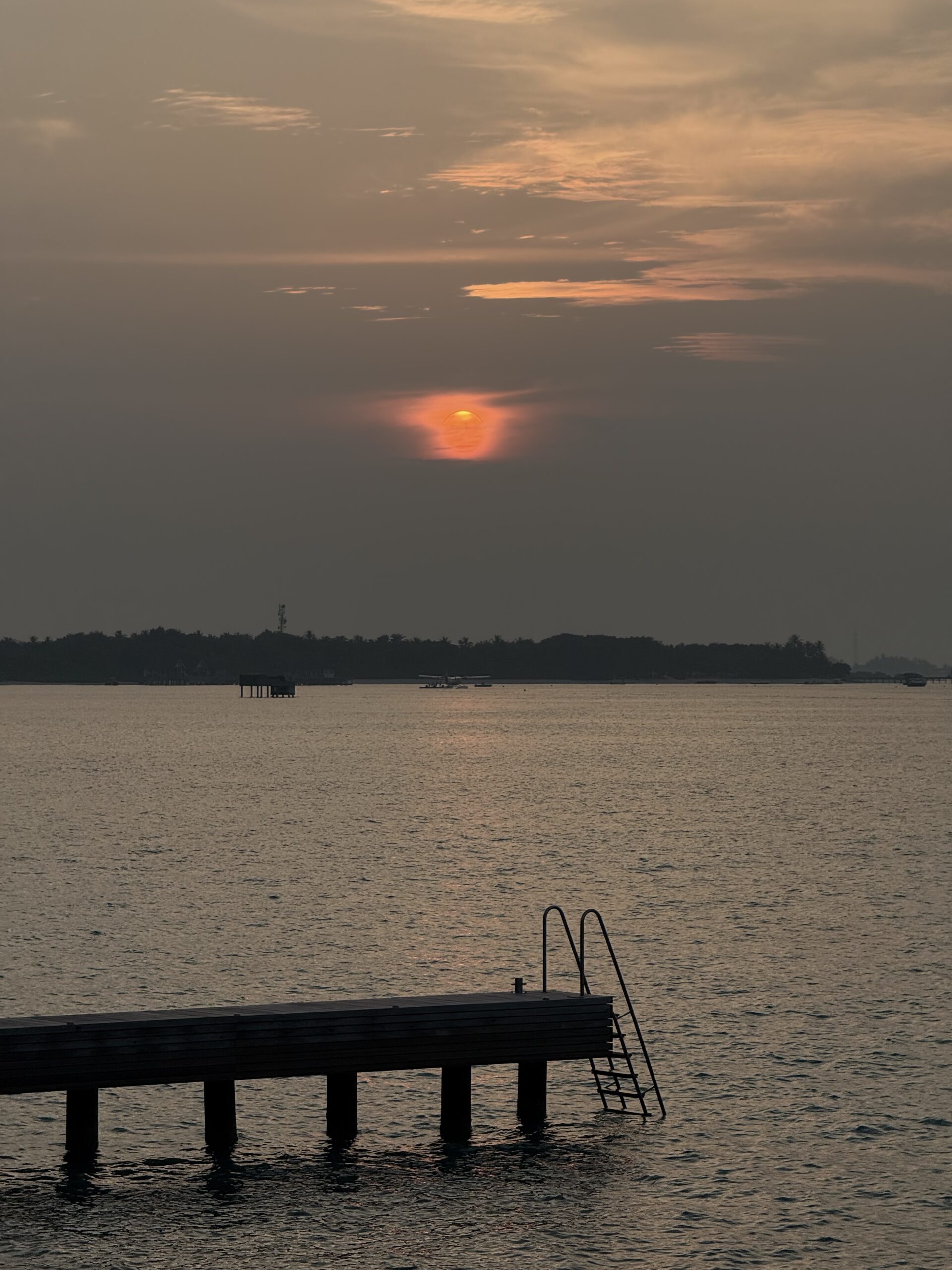
As the light begins to soften across the lagoon, the distinction between the two properties becomes almost symbolic. At Finolhu, the sandbank leads towards the relaxed atmosphere of Crab Shack, where conversation and music may accompany the final hours of the afternoon. Farther along, .Here offers a more private world, where the same sunset can be experienced from an expansive terrace with little more than the sound of the ocean.
The setting is shared, but the experiences are entirely different. One celebrates the pleasure of being somewhere extraordinary; the other invites us to consider what happens when we finally allow ourselves to be fully present.
In a world increasingly defined by movement, distraction and the constant pursuit of what comes next, that may be the most meaningful luxury of all. Not simply travelling farther, staying somewhere more exclusive or collecting another remarkable destination, but discovering a place where the experience itself feels sufficient.
Finolhu and .Here demonstrate that paradise need not have a single personality. It can be vibrant or contemplative, sociable or deeply private, filled with experiences or deliberately unhurried. In the extraordinary waters of Baa Atoll, both possibilities exist along the same stretch of sand, offering two very different journeys towards the same simple pleasure: the freedom to enjoy being exactly where you are.
Discover more about Finolhu on
finolhu.com
@finolhu_maldives
Discover more about Here on
here-maldives.com
@_.herebaaatoll
Discover more about Ramin Sade on
@raminmvs