
Beyond the Kennedy Legacy: Kerry Kennedy on Family, Justice and Courage
As the daughter of Robert F. Kennedy and Ethel Kennedy, Kerry Kennedy grew up surrounded by history, but her life’s work has been defined by her own commitment to justice. As president of the Robert & Ethel Kennedy Human Rights Center, she continues her family’s legacy while championing human rights and the next generation of changemakers. In this conversation, she reflects on the lessons her parents taught her, the power of speaking out against injustice and why meaningful change begins with each of us.
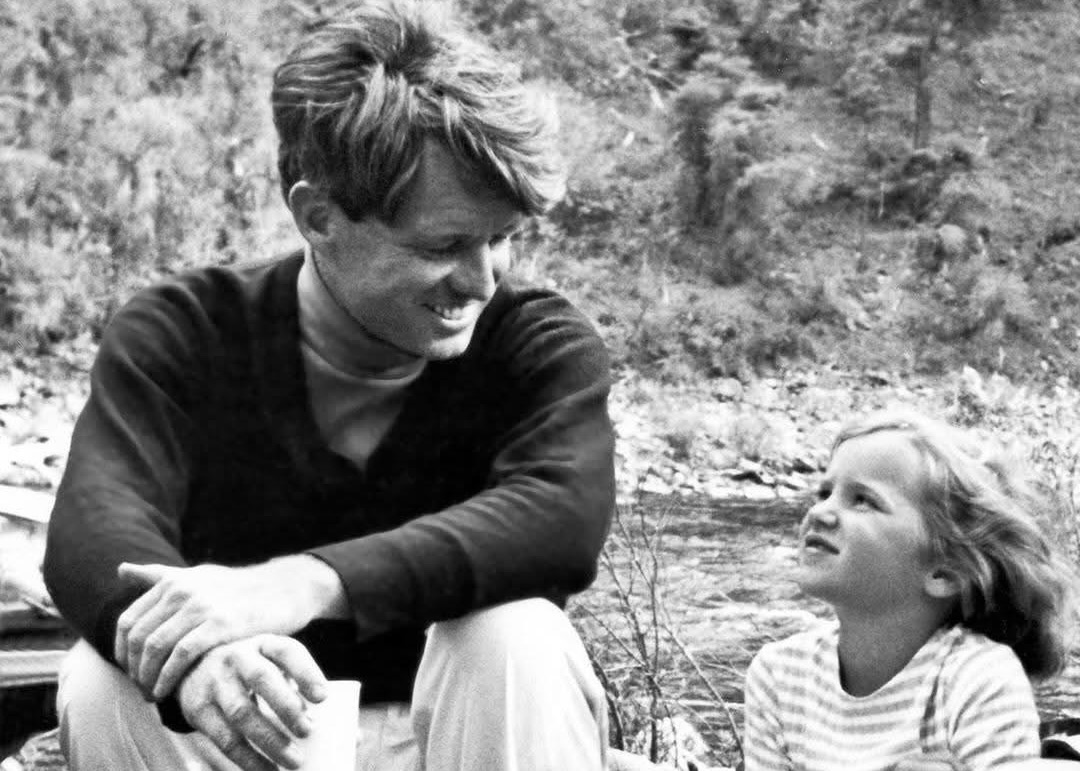
Photo Courtesy of Kerry Kennedy
Over the years, I have had the pleasure of meeting Kerry Kennedy on several occasions at the Robert F. Kennedy Legacy Galas in Switzerland, where the enduring impact of her family’s commitment to justice and human rights is brought into focus. Yet beyond the Kennedy legacy is a woman whose life and work reflect a deep commitment to justice and the belief that each of us has a responsibility to make the world a better place. It was a pleasure to see her again at the 10th anniversary gala of Robert F. Kennedy Human Rights Switzerland, where I had the opportunity to interview her for SAFAR.
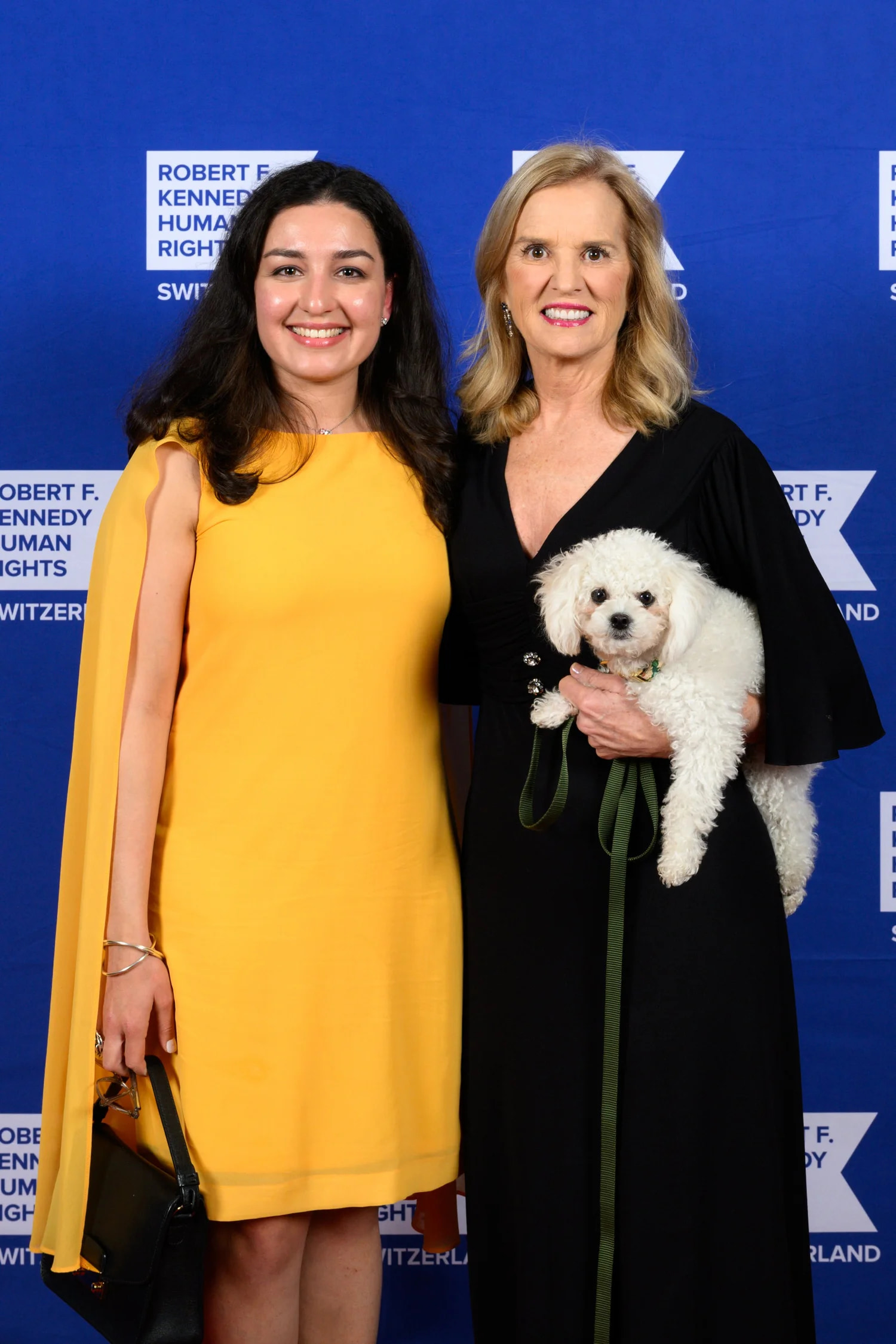
Marina S. Haq, Editor-in-Chief of SAFAR, and Kerry Kennedy, President of Robert & Ethel Kennedy Human Rights Center
Photo Courtesy of Frédéric Diserens
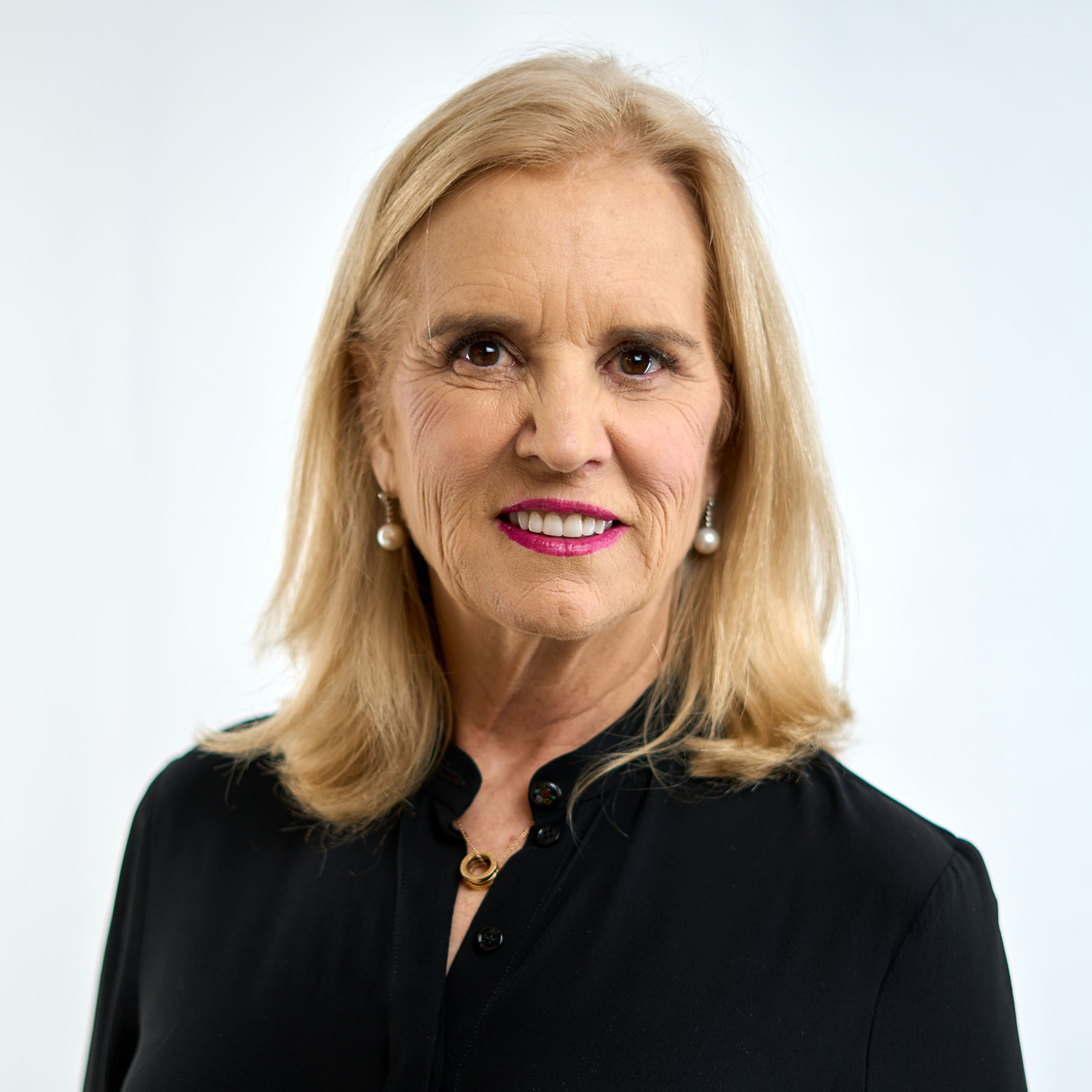
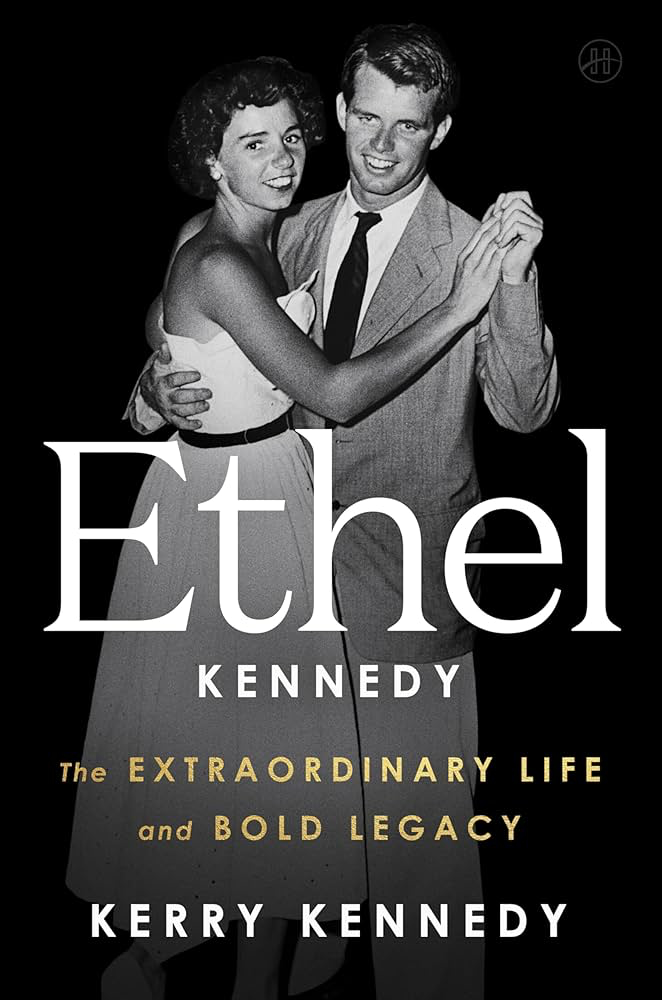
The daughter of Robert F. Kennedy and Ethel Kennedy, niece of U.S. President John F. Kennedy, and the seventh of her parents’ eleven children, Kerry Kennedy has dedicated her life to the pursuit of justice and the protection of human rights. For her, this commitment is both a family legacy and a personal calling. As a lawyer, author and human rights activist, she continues her parents’ work while forging her own path as president of the Robert & Ethel Kennedy Human Rights Center, formerly Robert F. Kennedy Human Rights. Through human rights education and initiatives such as Speak Truth To Power, she works to hold governments accountable, empower the next generation of changemakers and defend human rights. Her recently published book, Ethel Kennedy: The Extraordinary Life and Bold Legacy, offers an intimate portrait of her mother beyond the public image, celebrating a woman whose courage, resilience, faith and commitment to social justice shaped both her family and the world around her. In this conversation with SAFAR, Kerry reflects on the lessons her parents instilled in her, the enduring power of speaking out against injustice and why creating a more compassionate and just world begins with each of us.
SAFAR: Growing up in the Kennedy family meant being close to major historical events. When did you first realize that your life would be dedicated to human rights work?
Kerry Kennedy: I don’t think there was one particular moment when I decided, “This is what I’m going to do with my life.” It was something that was woven into my life from the very beginning. We had people from all over the world coming through our home: human rights defenders, political leaders, farmworkers and people who had been imprisoned or persecuted. Through it all, Mum and Daddy taught us that each of us had a responsibility to make the world a better place. One of my earliest memories captures that better than anything else. I was eight years old, sitting in the den with my family after Martin Luther King Jr. was assassinated. We were watching Washington burn on television. I remember Daddy watching with us. Then suddenly, he stood up, went upstairs to put his suit on, and walked out the door. Moments later, we saw him on television, in the middle of the chaos, trying to bring people together. I remember thinking this is what true leadership looks like. When everyone else was running away from the flames, Daddy ran toward them. That lesson stayed with me throughout my life.
What was it like growing up in one of the world’s best-known political families?
It was an extraordinary childhood, but there was also a lot of normalcy in our day-to-day lives. We had a very big, very chaotic and very loving family. I had ten siblings, so there was always noise, always someone running through the house, always a dog or a horse or some other animal around. We still had chores. We had to make our beds, help around the house and do all the ordinary things that children do. At the same time, we were surrounded by people who were shaping history, and our parents never insulated us from what was happening in the world. Daddy always pushed us to develop what he called a sense of moral imagination: the ability to put yourself in someone else’s shoes and imagine what the world looked like from their perspective. He wanted us to understand that every person has a story, and that our responsibility was not just to care about the people we knew, but to care about people we might never meet.
How did your father inspire you the most? Is there something that influences how you lead today?
When we were children – I have 10 brothers and sisters – there were many battles in my household. My father would always do the same thing. When I had a fight with my brother, I would run into my father’s office, jump on his lap and say, “Michael beat me up.” He would say, “Okay, go get Michael.” I would march out and say, “The Attorney General of the United States wants to see you in his office now.” We would go back into the office and my father would say, “Michael, you may not interrupt. Kerry, tell me the whole story.” I would describe every last blow to my head. Then he would say, “Now Kerry, you don’t interrupt. Michael, tell your side.” That was very irritating and hard, but I would realize that I wasn’t always right – that I was not only a victim but also a perpetrator. Then he would make us kiss and make up and send us to our rooms and read for an hour. The lessons he taught us were the same lessons he believed the world needed: a system of justice where everyone is heard, where everyone gets their side of the story, and where we understand that we cannot simply pray for peace. We each have a role in creating peace and in understanding that the person we consider our enemy is also our brother.
Your father, Robert F. Kennedy, achieved much in his life and your family has a strong legacy. How do you find your own path while preserving his legacy and continuing your work in human rights and justice?
I never really had to choose between preserving his legacy and following my own path, because for me they are the same thing. It’s about justice. That is what I always wanted to do my entire life, and I’m happy to be able to do it in his name.
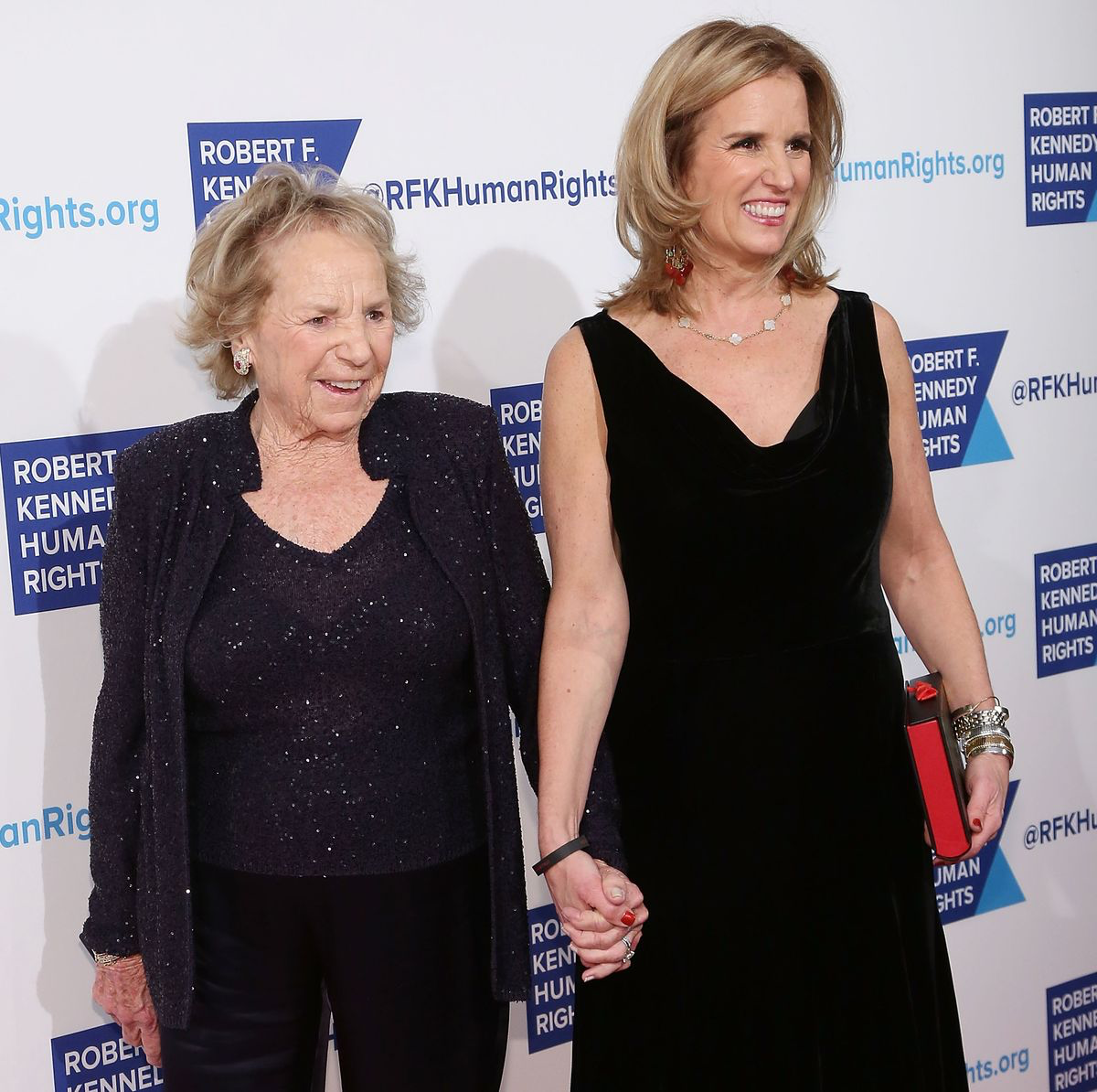
Kerry Kennedy and her mother, Ethel Kennedy
Your mother, Ethel Kennedy, also played an important role in the organization. What do you carry forward from what you learned from her?
My mother was fierce. She was very competitive – she wanted to win. At every staff retreat, I begin asking my team: “Whose life is different this year because of what you did over the past twelve months? I don’t want to hear about process – how many meetings you had, how many calls you made, how many letters you sent. I want to know whose life actually changed and which cases we won. Right now, we have 45 cases in the international arena against countries across the Americas and Africa, and we’ve never lost one. Domestically, we have 27 cases against the Trump administration. But it’s not only about winning. We’re setting precedents and changing the laws so that others can use those precedents to defend their clients and protect human rights.
Recently Robert F. Kennedy Human Rights became Robert & Ethel Kennedy Human Rights Center. Could you tell us more about the name change and why it was important to recognize Ethel Kennedy in this way?
Mum founded the organization in 1968 and devoted the rest of her life to it. She confronted dictators, cajoled lawmakers, charmed corporate leaders, marched in protest, raised funds, solicited emergency aid and gave safe harbor to human rights defenders. This organization exists because of the vision and determination of both of my parents. Mum led it from its very beginning, while raising eleven children, and she spent more than half a century fighting for human rights and social justice. Adding her name makes our name reflect the history of this organization and the extraordinary role she played in building it.
Could you tell us more about your book, Ethel Kennedy: The Extraordinary Life and Bold Legacy? What do you hope readers will discover about her?
Most of the world knew my mother as the widow of Senator Robert F. Kennedy, but she was so much more than the dutiful wife and keeper of an extraordinary man’s legacy. She was courageous, curious, resolute, compassionate, athletic and poetic, with a huge helping of humor and heart. She was guided by a deep faith and a profound sense of justice. Although she lived most of her life in the public eye, few people really knew Ethel Kennedy. I’ve written this book to change that. I tell Mum’s story from deep inside the family, as a daughter who has lived most of my life in her orbit. In these turbulent times, I find myself returning to the way she moved through the world: with faith instead of fear, with service instead of despair and with a generosity of spirit that never dimmed, even after devastating loss. I hope her story inspires you the way it continues to inspire me.
recWhat is the mission of Robert & Ethel Kennedy Human Rights Center?
Inspired by the legacies of my parents, our team works with international and domestic partners to protect fundamental human rights. We pursue strategic litigation to hold governments accountable at home and around the world; foster a social good approach to business; and train the next generation of changemakers through our human rights education programs.
Robert F. Kennedy Human Rights Switzerland recently celebrated its 10-year anniversary. What was the best moment you experienced in the decade with the Swiss chapter?
I always loved being with the students and seeing them come alive – the wisdom in their eyes as they realized that they not only have rights, but that they know how to protect them and how to assert them. But one of the events that really touched me was a photo exhibit we organized. We didn’t have enough photos to fill the large space, so we added two other exhibitions. The first showed moments of destruction during war: a mother holding her child who had just passed away or the explosion in a housing complex – that moment of terror. The second exhibit was ours. It featured photographs of heroes – Nelson Mandela, Archbishop Tutu, Malala and others – people who were creating structural change and stopping the violence. Then the third exhibit showed places where decisions are made that impact all our lives: the FIFA headquarters, the headquarters of a huge law firm. There were no photographs of human beings, no art, no sense of humanity. It was extraordinary, because you realize that the people making these decisions are often so cut off from the consequences of them.
What is your vision for RFK Human Rights Switzerland?
What we’ve seen is that our education program Speak Truth To Power, where we train students to know their rights, develop the social and emotional capacity to express them with confidence and without fear, gain the skills to organize within their communities – whether it’s in their classroom, their neighborhood, their country, globally. Once that happens, students gain agency. They become empowered to create change. That’s what we need in this country and all over the world – especially now, when autocracy is on the rise, when people are pulling away from democracy and when there is so much economic and social upheaval. We need people to know their rights and know how to assert them peacefully and democratically.
There are many RFK Human Rights chapters around the world – in the UK, Spain, Italy, Switzerland and more. What makes the Swiss chapter unique in your opinion?
One remarkable thing about the Swiss chapter is that it is almost entirely volunteer-driven. That is really extraordinary. There are so many people willing to take time away from their families or their work to make this effort a success. That’s a real source of joy and inspiration for me.
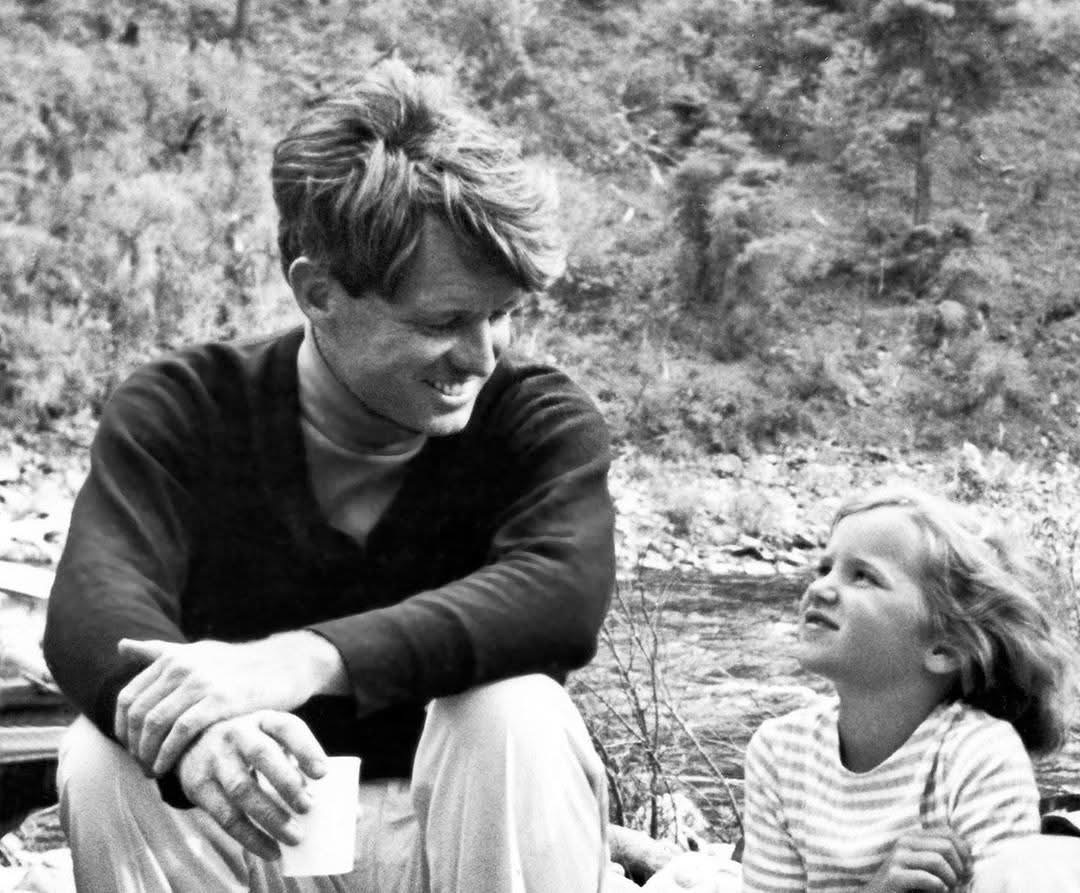
Kerry Kennedy and her father, Robert F. Kennedy
If Robert F. Kennedy were alive today, what human rights issue do you think he would be fighting for most passionately?
I think Daddy would be fighting for many of the same issues today as he did back then. Immigration would certainly be one of them. In 1964, he spoke passionately about the need to reform our immigration system. He said, “It is my conviction that there are few areas in our law which more urgently demand reform than our present unfair system of choosing the immigrants we will allow to enter the United States.” He reminded us that this nation was built by immigrants “of courage and ability who came from many lands.” He said those words 62 years ago, but they could have been spoken today. I also think he would be deeply concerned about the state of our democracy, including efforts to curb voter access, the growing concentration of power in the executive branch and the Trump administration’s efforts to sidestep the Constitution and weaponize the Department of Justice. Ultimately, I think he would be fighting for the people whose rights are being threatened and for the democratic institutions that are supposed to protect them.
Your book Speak Truth To Power tells the stories of 51 human rights defenders, while Being Catholic Now explores faith. How does faith intersect with your human rights work?
Faith and human rights are deeply intertwined. My Catholic faith teaches me that every person is created in the image and likeness of God, and therefore every person has inherent dignity and worth. You can’t believe that and remain indifferent when that dignity is being violated.
What is the biggest progress you have seen since RFK Human Rights was founded in 1968?
When I started working in human rights in the 1980s, all of Latin America was under right-wing military dictatorships. Today, there isn’t one left. Eastern Europe was under communism. Today, those governments are gone. South Africa was at the height of apartheid. Today, it has had a series of freely elected governments chosen by the majority of its people. Women’s rights were not on the international agenda, and nobody was talking about LGBTQ rights. Now, they are part of the international agenda. These changes didn’t happen because governments, armies or multinational corporations wanted them to happen. In fact, many tried to stop them. They happened because small groups of people harnessed the dream of freedom and made it real. That’s how change always happens – and that’s what we need today.
If you feel drawn to faith, deepen that faith and your belief in a loving God.
That’s the most transformative thing you can do.
What advice would you give to people who face criticism for standing up for their beliefs?
Don’t let criticism distract you from your conscience. If you believe something is right, and you have listened carefully, thought deeply and are willing to stand behind your convictions, then you have to be willing to withstand disagreement. I also think it is important to remain open to listening and to finding common ground. Be willing to hear people who may disagree with you and to admit when you are wrong. But don’t let the fear of criticism keep you from speaking when you believe an injustice is taking place. You can stand firmly for what you believe while still treating people who disagree with you with respect.
What would you tell people who want to make a difference – even if it is just for one person?
Everybody is called to make the world more just and peaceful. All of us. In my belief, that’s why God puts us here on Earth. But not everybody is called to be a head of state or leader of a multinational corporation with so much power. Maybe you’re Picasso, and the way you make the world better is through art. Or maybe you make the world better by taking loving care of your grandmother who has Alzheimer’s. When my kids were in school, their friends would ask me: “What can I do?” I would say, “Go home and wash the dishes and put them in the dishwasher.” That’s change. That’s going to make a big difference to somebody. Find something and start.
What life advice would you like to share with our readers?
Look for the dignity in one another. If you feel drawn to faith, deepen that faith and your belief in a loving God. That’s the most transformative thing you can do. If you don’t have that, learn how to meditate. It can make an enormous difference at a very personal level. And find a way to work for justice.
Discover more about Kerry Kennedy at:
@kerrykennedyrfk
Discover more about the Robert & Ethel Kennedy Human Rights Center at:
kennedyhumanrightscenter.org
@kennedyhrc
Discover more about Robert F. Kennedy Human Rights Switzerland at:
rfkhumanrights.ch
@rfkhumanrights_switzerland